Category: Articles

  • I’m a Trustee… Now What?

    Inheriting property can be both a gift and challenge. As a trustee, you’re not just receiving real estate, you’re inheriting family responsibilities, property maintenance and tax implications. In Hawai‘i, the complexity increases given the unique real estate landscape. So what options can maximize the potential of your inheritance?

    Consider the 1031 Exchange, which permits trustees to swap inherited investment properties for another “like-kind” property while deferring capital gains taxes in the process. This tool can be immensely advantageous for trustees, allowing them to diversify an inherited portfolio, enhance investment value, ensure a more consistent cash flow and increase recession resiliency.

    The 1031 Exchange can be pivotal in real estate planning. While there are essential criteria to meet (the property, for instance, must be for investment and not a primary residence), the benefits can be significant. However, given the tight windows for property identification (45 days) and purchase completion (180 days), expert guidance is crucial. Working with an experienced real estate planning team can lead to informed and lucrative decisions. If you’re a trustee uncertain about your  options, the 1031 Exchange can offer you solutions to reach your goals.


    THE IHARA TEAM OF KELLER WILLIAMS HONOLULU
    (RB-21303)
    1347 Kapiolani Blvd. #300, Honolulu, HI 96814
    808-427-3006 | ihara@iharateam.com
    iharateam.com
    Each office independently owned and operated.

    Inheriting property can be both a gift and challenge. As a trustee, you’re not just receiving real estate, you’re inheriting family responsibilities, property maintenance and tax implications. In Hawai‘i, the complexity increases given the unique real estate landscape. So what options can maximize the potential of your inheritance? Consider the 1031 Exchange, which permits trustees…

  • What’s Wrong With Probate?

    Probate can be a simple, painless process. Sometimes, however, it can be a nightmare, and that’s what gives it a bad name. Probate just means “to prove.” Your personal representative has to prove to the court that the document being offered for probate is your last will. Probate begins with your personal representative filing your will with the court, along with your death certificate and a petition asking the judge to recognize your will as your last will and testament. The petition also asks the court to give your personal representative the authority to carry out its terms.

    Once the petition is filed, copies of it and your will must be sent to just about all of the people who could be affected by your will. Those people include not only the individuals named in your will, but also the people who, by law, would have gotten your stuff if you died without a will. So the first thing probate does is provide a venue (for larger estates, a colosseum) for a fight.
    If that doesn’t sell you on the benefits of probate avoidance, consider this. Probate is a public proceeding. That means that anybody who wants to can go to the probate court, obtain copies of your will, and gather other sensitive and personal information about you, your stuff, and your family members, and then do who-knows-what with that information. If you and your loved ones value privacy — and you should — then probate is an awfully good thing to avoid. The public nature of probate all by itself should deter most people from subjecting their loved ones to it.

    Some years ago, the Last Will and Testament of Michael Jackson appeared on the internet. Once the King of Pop’s will was filed in court, somebody downloaded a copy and posted it on the internet. Do you want your will to be the next online “Thriller” or would you prefer to tell the internet trolls to “Beat It?” So, probate can take a long time, be expensive and publicize things that are best kept private. Read my next article for more about avoiding probate.


    EST8PLANNING COUNSEL LLLC
    Scott Makuakane, Counselor at Law
    808-587-8227 | maku@est8planning.com
    Est8planning.com

    Probate can be a simple, painless process. Sometimes, however, it can be a nightmare, and that’s what gives it a bad name. Probate just means “to prove.” Your personal representative has to prove to the court that the document being offered for probate is your last will. Probate begins with your personal representative filing your…

  • Do You Have Retirement Questions?

    Most hardworking Americans dream about retirement, but the path to get there can be less than clear. For those relatively new to the workforce, the idea of retiring may feel distant and abstract. However, even people who are only a few years from retirement are often perplexed by the decisions they face. While everyone’s journey is different, I know from my years of experience as a financial advisor that there are common themes when it comes to questions about retirement.

    For example, those who just started their careers and have decades before retirement may wonder:

    “With all my current financial priorities, why should I worry about saving money for retirement?”

    The sooner you start saving for retirement, the greater the opportunity for your money to grow. If you are in your twenties or thirties, you may not have as many assets as those who have been in the workforce for decades. What you do have is time, and that can be a powerful ally. Time allows you to take full advantage of the opportunity to compound growth in your investments. Even modest investment amounts that have years to potentially grow can make a significant difference in your retirement savings.

    “How much should I save for retirement?”

    A reasonable goal is to save 10% of your pre-tax income in retirement savings vehicles. If you have the option, strongly consider directing a portion from your paycheck to a 401(k) or another workplace savings plan. If your employer offers a matching contribution, even better. That’s essentially “free money” that you don’t want to miss out on. If you have additional discretionary income beyond that, you may want to save it in a Roth IRA, which could help you build retirement savings with after-tax dollars and create potentially tax-free income in the future.

    On the other hand, if retirement is in your near future, you may be pondering these questions:

    “Should I pay off my home mortgage early?”

    Paying off your mortgage may seem like a great idea, and if you’re like a lot of near retirees, the prospect of eliminating debt and reducing your monthly expenses may be appealing. But there are a variety of factors to consider. One of the biggest is the cost and potential tax consequences of moving a large sum of money out of an existing investment in order to pay off your mortgage. If the interest rate you pay on your mortgage is low, you may want to keep that money invested and continue making mortgage payments.

    Also, holding a mortgage is key to many Americans’ tax strategy because the interest paid could potentially be tax-deductible. If mortgage interest is part of your tax strategy, consult with your tax professional before making the decision to own your home outright.

    “How will I know if I saved enough money?”

    The answer to this question will depend on your retirement dreams and current financial situation. The variables that come into play include the amount of money you’ll need to cover your expenses each year and other sources of income you have (a pension or Social Security). Most people should be prepared to spend several decades in retirement. A financial plan can help you test different assumptions based on an appropriate retirement date.

    “Will Medicare cover my healthcare costs in retirement?”

    Healthcare is one of the largest expenses most retirees incur in their later years and Medicare only covers a portion of healthcare expenses. Medicare is broken up into different parts. Part A is offered at no cost, but mainly covers only expenses related to hospitalization. Part B requires a monthly premium, but makes medical services such as care from a doctor or tests more affordable. Part C is an alternative type of Medicare coverage provided through private insurers at a cost. Part D is a prescription program that helps reduce the price of drugs. Medicare Supplement coverage is another form of coverage that charges a premium, but helps reduce out-of-pocket medical expenses.

    “At what age should I begin to collect Social Security?”

    This varies by person. The earliest you can qualify to begin collecting Social Security retirement benefits is age 62. The longer you wait, the larger your benefit will be. The highest monthly benefit you can earn occurs when you reach age 70. If you continue to work, it may make sense to delay taking Social Security. When you retire, you’ll need to weigh the value of delaying Social Security against the cost of taking money out of your personal savings to make up the difference.

    Whether retirement is a year away or decades down the road, it’s important to craft a plan for how you will build your nest egg and fund your retirement dreams. If you have questions or want to discuss your personal situation, consult your financial advisor, estate planner and tax professional for expert guidance.


    MICHAEL W. K. YEE, CFP,® CFS,® CLTC, CRPC®
    1585 Kapiolani Blvd., Ste. 1100, Honolulu, HI 96814
    808-952-1240 | michael.w.yee@ampf.com
    ameripriseadvisors.com/michael.w.yee

    Michael W. K. Yee, CFP®, CFS®, CLTC, CRPC ®, is a Private Wealth Advisor, Certified Financial Planner ™ practitioner, with Ameriprise Financial Services, LLC in Honolulu, HI. He specializes in fee-based financial planning and asset management strategies and has been in practice for 39 years. Ameriprise Financial, Inc. and its affiliates do not offer tax or legal advice. Consumers should consult with their tax advisor or attorney regarding their specific situation. Investment products are not insured by the FDIC, NCUA or any federal agency, are not deposits or obligations of, or guaranteed by any financial institution, and involve investment risks including possible loss of principal and fluctuation in value. Investment advisory products and services are made available through Ameriprise Financial Services, LLC, a registered investment adviser. Ameriprise Financial Services, LLC. Member FINRA and SIPC. © 2023 Ameriprise Financial, Inc. All rights reserved

    Most hardworking Americans dream about retirement, but the path to get there can be less than clear. For those relatively new to the workforce, the idea of retiring may feel distant and abstract. However, even people who are only a few years from retirement are often perplexed by the decisions they face. While everyone’s journey…

  • Do You Like Helping Kūpuna?

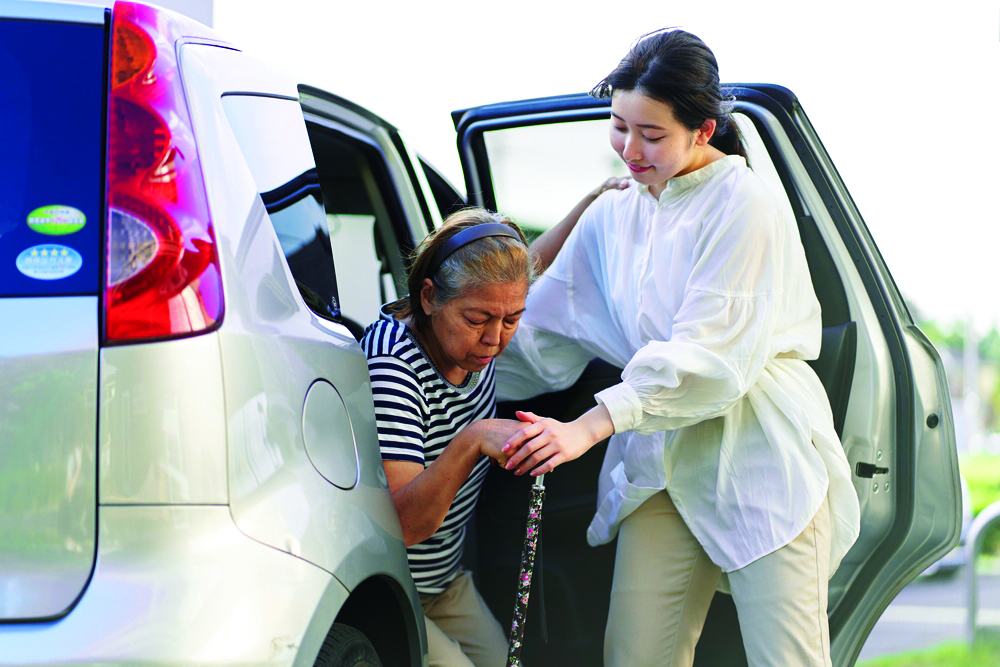
    A woman who removes an elderly person from a car

    Are you 55 years or older and looking for a fulfilling way to spend your time? Do you enjoy connecting with other seniors and making a difference in their lives? Whether you’re a recent retiree or an empty nester, Catholic Charities Hawai‘i has an opportunity for you.

    Transportation Friends for Kūpuna (TFK) is a new Catholic Charities Hawai‘i project that is seeking compassionate volunteers to provide free transportation and chaperone assistance for frail kūpuna living independently in the community. By sharing your time and companionship, you can make a significant impact on the lives of seniors in need of this resource.

    TFK welcomes volunteers of all experience levels, and will provide training and screening. Schedules are flexible. Whether you can spare a few hours on the weekends or have more availability during the week, there are a variety of opportunities to choose from to help Hawai‘i’s seniors.

    Let’s work together to bring joy to the lives of kūpuna in our community. If you’re interested in learning more about this rewarding volunteering opportunity, please contact Program Volunteer Coordinator Julie Chang using the information below.


    CATHOLIC CHARITIES HAWAI‘I (501(c) 3 nonprofit)
    1822 Keeaumoku St., Honolulu, HI 96822
    808-527-4783 | julie.chang@catholiccharitieshawaii.org
    CatholiccharitiesHawaii.org

    Are you 55 years or older and looking for a fulfilling way to spend your time? Do you enjoy connecting with other seniors and making a difference in their lives? Whether you’re a recent retiree or an empty nester, Catholic Charities Hawai‘i has an opportunity for you. Transportation Friends for Kūpuna (TFK) is a new…

  • The Legacy of the 100th Infantry Battalion

    The Legacy of the 100th Infantry Battalion

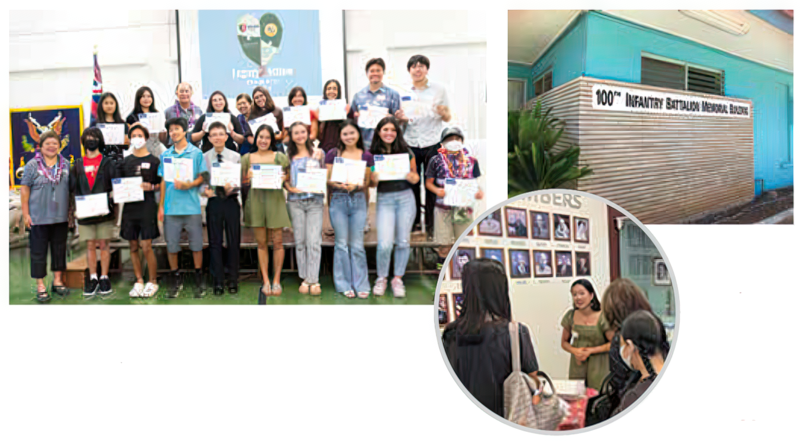
    Since it was built in 1952, the unassuming one-story building long known as Club 100 on Kamoku Street in Honolulu served as a gathering place for veterans of the legendary 100th Infantry Battalion. The battalion originated as a primarily all-Japanese-American combat unit during World II. These Hawai‘i-born soldiers were the first Japanese American combat unit to serve in WWII. They proved their loyalty to their country, the US, despite the fact that Japanese Americans were considered enemy aliens at the time. For their bravery and sacrifices, the 100th/442nd Regimental Combat Team would be recognized as the most decorated unit for its size and length of service in the history of the US military.

    Last year marked the 81st anniversary of the formation of the 100th Infantry Battalion (Separate). To date, there are 10 known soldiers who are still alive and able to tell their stories. As our veterans pass on, the stories of their valor will also begin to fade in the memories of our children and our community. Hawai‘i needs to act now to ensure their legacy lives on for generations to come.

    The 100th Infantry Battalion Veterans organization and its partners, ‘Iolani School, the University of Hawai‘i’s Center on Aging and Central Pacific Bank are committed to keeping their stories alive through the Legacy2Action challenge, now in its third year. Through project-based learning, students identify an important community issue and take action by creating and implementing an innovative project aligned with the unit’s values.

    The students’ 2023 projects were creative and uplifting, addressing wide-ranging issues. Two focused on homelessness and community-building, culminating in the production of art kits and writing activities for houseless children. Other projects focused on climate change, environmental and intergenerational programs.

    The 100th Infantry Battalion Veterans organization is calling on middle and high school students, teachers and club leaders to help keep the memory of these Hawai‘i heroes alive.


    UNIVERSITY OF HAWAI‘I CENTER ON AGING
    2430 Campus Road, Honolulu, HI 96822
    For more information, contact info@100thbattalion.org
    Written in collaboration with the 100th Infantry Battalion Veterans Organization and ‘Iolani School.

    Since it was built in 1952, the unassuming one-story building long known as Club 100 on Kamoku Street in Honolulu served as a gathering place for veterans of the legendary 100th Infantry Battalion. The battalion originated as a primarily all-Japanese-American combat unit during World II. These Hawai‘i-born soldiers were the first Japanese American combat unit…

  • AARP: Support Family Caregivers

    AARP: Support Family Caregivers

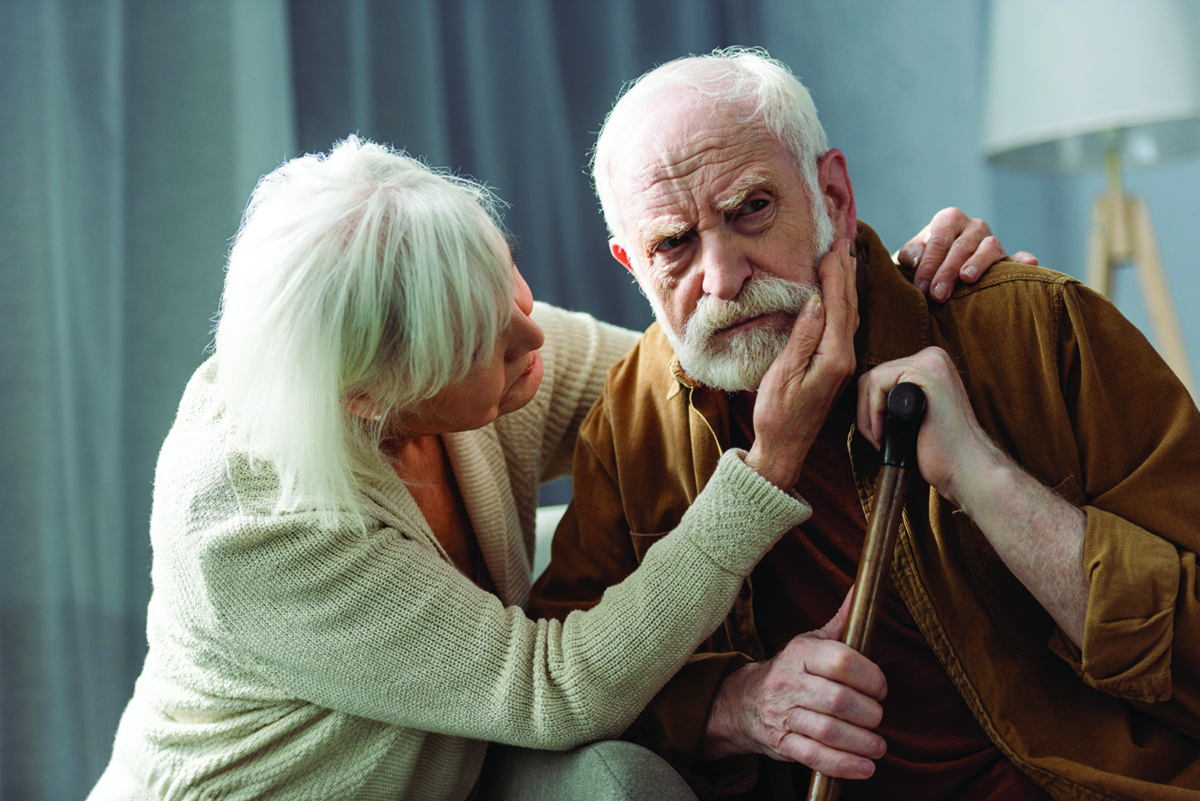
    Cheryl, a caregiver from Makawao, had to retire early to take care of her mother, who has dementia. “But now, how am I going to pay the bills?”

    Every day, Hawai‘i’s 154,000 family caregivers help their parents, spouses and other loved ones remain at home — where they want to be — instead of in an expensive nursing home.

    Family caregivers help with medications, medical care, errands, meals, bathing, dressing and much more. AARP estimates that Hawai‘i caregivers put in nearly 144 million unpaid hours each year, valued at an estimated $2.6 billion. Instead of getting paid, the average family caregiver spends more than $7,000 of their own money each year taking care of loved ones.

    Family caregivers deserve our support. That’s why AARP is advocating for commonsense solutions to help caregivers, such as a tax credit for caregivers and paid family leave to help them so they can keep working, save for their own retirement and continue to pay taxes.

    To learn more about the AARP Caregiving Campaign, visit aarp.org/politics-society/advocacy/caregiving-advocacy.

    For more about support and resources for caregivers, visit aarp.org/caregiving.


    AARP HAWAI‘I (501(c) nonprofit)
    1001 Bishop St., Ste. 625, Honolulu, HI 96813
    808-545-6000 | hiaarp@aarp.org | aarp.org/hi
    facebook.com/aarphawaii

    Cheryl, a caregiver from Makawao, had to retire early to take care of her mother, who has dementia. “But now, how am I going to pay the bills?” Every day, Hawai‘i’s 154,000 family caregivers help their parents, spouses and other loved ones remain at home — where they want to be — instead of in…

  • What to Say & Not to Say to Grievers

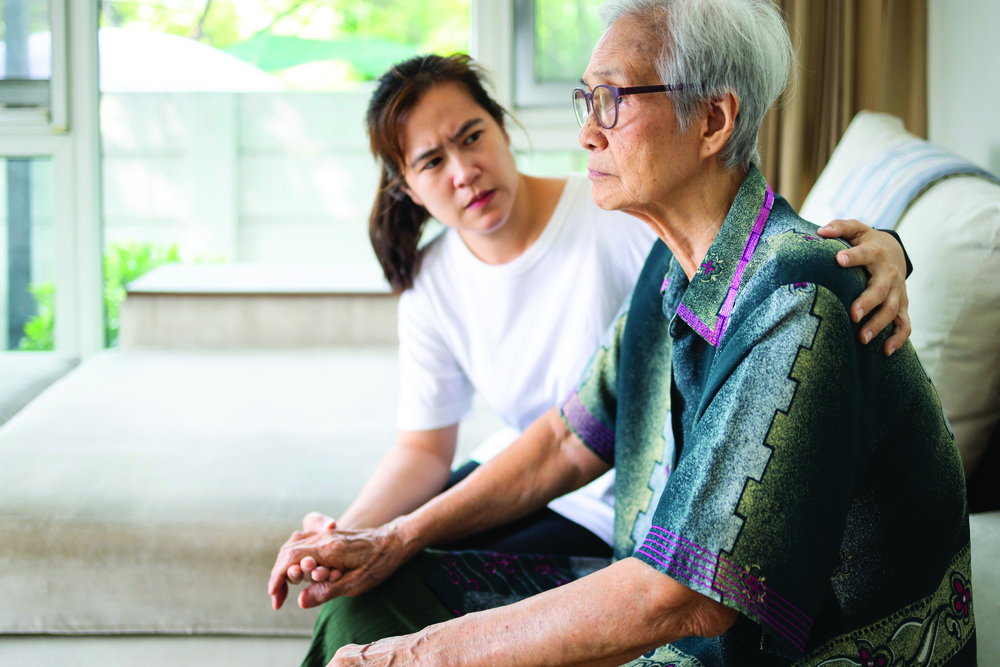
    Grief hurts. It hurts to witness our loved ones hurt. So a typical response to someone who is grieving is to try to comfort them and make them feel better.

    There is nothing wrong with trying to comfort the bereaved, but making them feel better is not possible. A grieving person simply wants their grief to be acknowledged and witnessed, not fixed. They have permission to be sad, angry, distracted and confused.

    There are phrases used commonly in an effort to comfort a bereaved person, but even with the best of intentions, these words can be hurtful, as they inadvertently minimize and diminish the griever’s feelings.

    WHAT NOT TO SAY

    They are in a better place.
    They lived a long life.
    At least they are no longer suffering.
    Be strong.
    Don’t cry.
    You’ll get over it.
    Shouldn’t you be over it by now?
    I know exactly how you feel.
    I understand.

    ALSO NOT HELPFUL

    You should be over this by now.
    Time heals all wounds.
    If you’re not crying, you’re not really grieving.
    Real men shouldn’t cry.

    WHAT TO SAY

    I’m sorry that you are having to navigate this.
    My condolences for your loss.
    I care.
    I love you.
    I don’t know what to say except I’m here for you.
    How do you want me to support you?

    There are many commonly held myths and misunderstandings about grief, which can present significant barriers to someone who is grieving. But when we understand the needs of those who are experiencing this painful but inescapable unbinding of the heart, we will likely be more mindful with our words.

    As much as words are important, know that your mere presence in the midst of their sorrow can be just the comfort they need.


    BEREAVEMENT NETWORK OF HAWAI‘I
    Facilitated by KOKUA MAU (501(c) 3 nonprofit)
    808-585-9977 | kokuamau.org
    kokuamau.org/grief-and-bereavement
    Learn more about grief and the healing process: Help For The Bereaved — The Healing Journey (kokuamau.org/wp-content/uploads/CtrOnAging-Booklet-5-REV_6-30-11.pdf).

    Grief hurts. It hurts to witness our loved ones hurt. So a typical response to someone who is grieving is to try to comfort them and make them feel better. There is nothing wrong with trying to comfort the bereaved, but making them feel better is not possible. A grieving person simply wants their grief…

  • Start a Healthy New Year at the Y

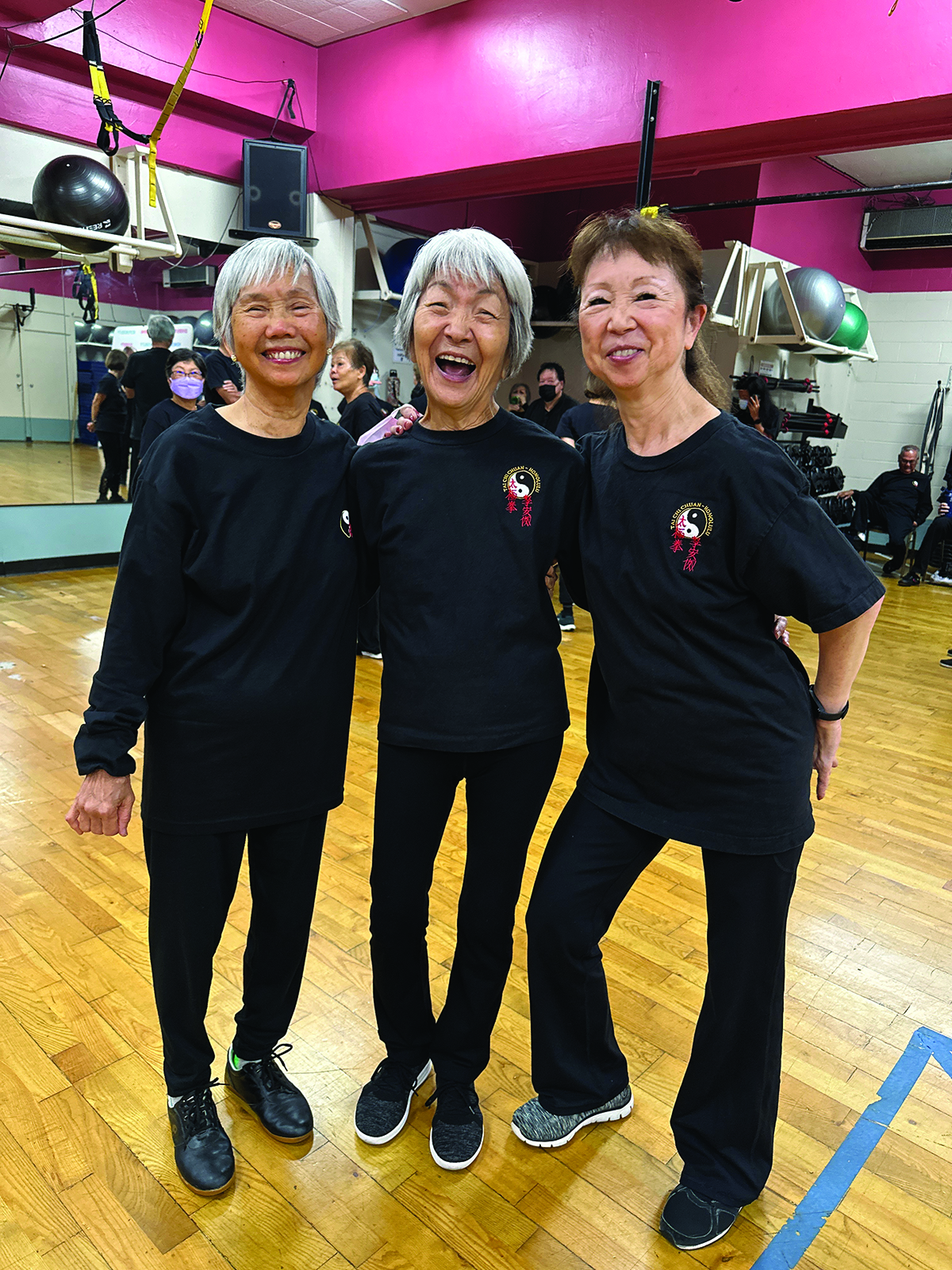
    (L–R) Cecilia, Gail and
    Donna enjoy exercising
    together at the Y. PC: YMCA

    For new exercisers, the gym can be a daunting place. They may not be sure what to do or how to get started. That holds true even more so for kūpuna, who perhaps have not been to a gym in a long time — maybe not ever.

    • The YMCA is an excellent place for new exercisers! In fact, 73% of YMCA of Honolulu members identified as health seekers, meaning they want to get healthy but struggled with how to do so and chose the Y for help.

    Feeling good isn’t just about your physical well-being but also includes your spirit and mind. The Y helps kūpuna achieve this perfect balance by offering a large and varied selection of classes, activities and programs to promote overall wellbeing, so staying healthy is fun and never boring!

    • The Y is here to guide and support. All new Y members get a free guided workout in order to make them feel more comfortable and confident using the equipment. Support continues with our fitness floor staff, who are always available to help members and answer any questions.

    • Studies show that people who enjoy physical activity participate more frequently and consistently. There are hundreds of classes and activities to choose from at the Y. Y staff can recommend classes or activities that fit your interests and schedule so that you’re doing something you enjoy at a convenient time.

    • Find a buddy! When you work with a partner, you’re more likely to feel motivated, try new things and stay consistent.

    You can make friends at the Y through fitness classes, clubs, activities, or social sports such as pickleball or basketball. These are great ways to meet people with similar interests and goals who can support you on your journey to well-being.

    Got a green thumb? The Y’s Garden Club at Mililani is great for sharing your gardening talents.

    Love to craft? Play games? Participate in the Y’s Kupuna Food & Fun program, a recreational dining program that includes potlucks, lei making, painting and more!

    • The Y is affordable. Many kupuna members get a free or reduced membership through their health plans. And thanks to generous donors, the Y also offers financial aid.

    • Be my guest! Stop by any YMCA for a free week pass. You can also register for your free week online at bit.ly/FreeOneWeek, or call or email our Service Center at 808-678-4296 or info@ymcahonolulu.org.


    YMCA OF HONOLULU (501(c) 3 nonprofit)
    1441 Pali Hwy., Honolulu, HI 96813
    808-678-4296 | info@ymcahonolulu.org
    ymcahonolulu.org

    For new exercisers, the gym can be a daunting place. They may not be sure what to do or how to get started. That holds true even more so for kūpuna, who perhaps have not been to a gym in a long time — maybe not ever. • The YMCA is an excellent place for…

  • Can You Keep Your Teeth as You Age?

    Nearly one in five adults aged 65 or older has lost all of their teeth, impacting their quality of life. While some assume that tooth loss is an inevitable consequence of aging, proactive dental care can preserve both your teeth and overall health throughout your entire life.

    Maintaining good oral health is crucial for kūpuna, extending beyond mere aesthetics. When kūpuna experience tooth loss, it can hinder their ability to eat properly and obtain essential nutrition. In some cases, to avoid becoming a burden on their families, they might refrain from expressing hunger or discomfort. Additionally, seniors with medical conditions like diabetes are at a higher risk of developing gum diseases. They may also experience dry mouth due to taking certain medications.

    To ensure kūpuna maintain good oral and overall health, they must make it a habit to see their dentist at least twice a year, practice good oral hygiene and maintain a healthy diet. These preventive measures against tooth loss, gum disease and other issues will help seniors maintain their overall health, enjoy a higher quality of life and continue to lead active and fulfilling lives well into their golden years. So the answer to the question is: Yes, you can keep all your teeth as you age as long as you take the necessary preventive measures to live well and smile more.


    HAWAII DENTAL SERVICE (501(c) 4 nonprofit)
    Kahala Howser, Wellness & Events Manager
    khowser@hawaiidentalservice.com
    HawaiiDentalService.com

    Nearly one in five adults aged 65 or older has lost all of their teeth, impacting their quality of life. While some assume that tooth loss is an inevitable consequence of aging, proactive dental care can preserve both your teeth and overall health throughout your entire life. Maintaining good oral health is crucial for kūpuna,…

  • Overcautiousness Can Lead to Health Risks

    Striving to ensure safety and fear of falls consistently top the list of concerns for kūpuna. Unfortunately, fear itself can become a risk factor, leading to anxiety,  hesitancy and overcautiousness. Being cautious is natural during activities that involve risk. However, being overly careful out of fear can result in moving less,  avoiding activities that require balance skills and reliance on external objects for stability.

    Everyone has witnessed the signs:

    • Shortened steps and/or increased shuffling
    • Stiffening of the trunk with no rotation or turning of the body
    • Becoming more robot-like when moving
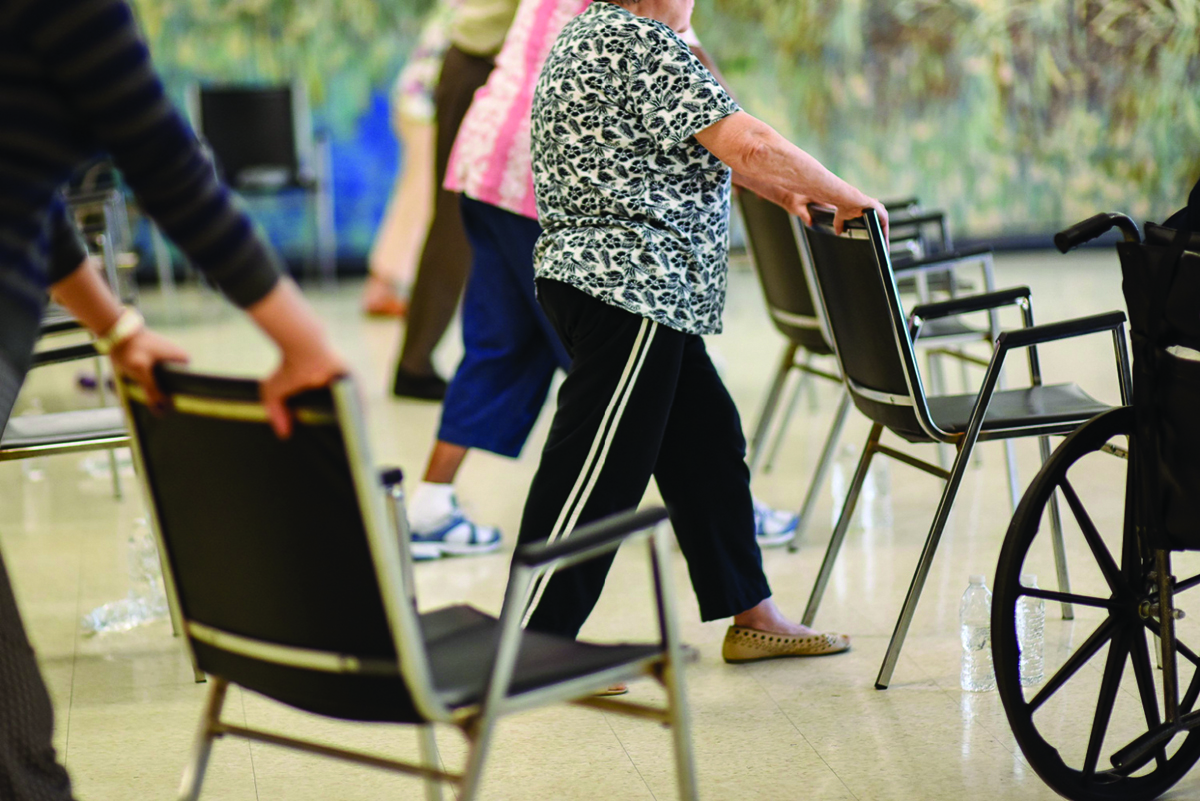
    • Reaching for a chair or wall for stability
    • Choosing to sit instead of standing
    • Increased difficulty standing up after sitting

    As the pattern progresses, kūpuna become even more wary and immobile, resulting in a downward spiral, so using good judgment is critical. Balancing the pros and cons of being too cautious in each situation is imperative.

    Being sedentary leads to weakness and loss of range of motion and coordination. We all need to “use it or lose it,” and keep moving to maintain our muscle strength and balance. By being “safe,” good intentions may actually contribute to an increased risk for falls. Therefore risk assessments become critical in determining whether an activity is actually beneficial or dangerous.

    A home assessment and modifications are a good place to start in order to fall-proof your home. An activity assessment and modifications are also needed. When a loss of balance is observed during an activity, note whether the body is able to compensate adequately and get re-centered and stable again without falling.

    Although we tend to overreact when observing unsteadiness, having the ability to recover from a loss of balance is an important activity that requires coordination, core stability and strength. These skills must be retained.

    So the next time you feel anxious about the safety of someone doing an activity, carefully observe the person and conduct a risk assessment and assess if there is a modification that could be made to make it safer before eliminating the activity altogether. Every activity has inherent risks at every age. Just be aware that inactivity poses even greater health risks.


    GYMGUYZ Urban Honolulu
    Home Personal Training & Mobile Fitness
    808-638-2525
    gymguyzurbanhonolulu@gymguyz.com
    gymguyz.com

    Striving to ensure safety and fear of falls consistently top the list of concerns for kūpuna. Unfortunately, fear itself can become a risk factor, leading to anxiety,  hesitancy and overcautiousness. Being cautious is natural during activities that involve risk. However, being overly careful out of fear can result in moving less,  avoiding activities that require…

  • Preventing Transfer Trauma

    Friendly doctor examining health of patient at home. Happy smiling nurse consulting disabled patient about treatment. Nurse caring about elder handicap woman at home.Ensuring our elderly loved ones’ well-being during their transition into care homes is crucial. This emotional and often stressful journey demands a meticulous approach to prevent transfer trauma, which can result from frequent relocations and adjustments to new environments and care teams. Utilizing a seasoned nurse consultant, particularly one knowledgeable in disease processes, becomes vital.

    An experienced nurse consultant doesn’t just facilitate a smooth transition, but also anticipates potential future challenges, thereby mitigating the risk of subsequent transfers. Their profound understanding of disease trajectories enables them to foresee possible complications, ensuring that the chosen care home is equipped to manage the evolving needs of the senior individual. This foresight is crucial in stabilizing the emotional and physical health of the elderly, providing them with a consistent and familiar environment that is pivotal for their well-being.

    A registered nurse and certified senior advisor also bridges the gap between medical jargon and practical understanding, ensuring families make informed decisions. The role of an experienced nurse consultant secures a health-optimized future for our seniors, minimizing disruptions and maximizing quality of life.


    NURSING HOME PARTNERS
    828 Ailuna St., Honolulu, HI 96821
    808-468-9112 | Info@Nursinghomepartners.com
    Nursinghomepartners.com

    Ensuring our elderly loved ones’ well-being during their transition into care homes is crucial. This emotional and often stressful journey demands a meticulous approach to prevent transfer trauma, which can result from frequent relocations and adjustments to new environments and care teams. Utilizing a seasoned nurse consultant, particularly one knowledgeable in disease processes, becomes vital.…

  • The Realities of Caregiving

    Caregiving has been part of mankind’s existence from the beginning. We’ve all had caregivers — usually known as Mom and Dad. Many of us have been caregivers of our own children. And as needs changed, parents adjusted their caregiving duties. That is the very first reality of caregiving…

    ■ Caregiving changes with time. For caregivers of aging parents, it may be a gradual shift from picking up the groceries to checking medications and then to providing help with physical needs. For some, their entry into caregiving is more dramatic as the result of a fall or illness. Caregiving tasks change from that point and often become increasingly complex and difficult.
    ■ Caregiving is physically demanding. As caregivers, we fill a critical role in the lives of those for whom we care. Our ability to provide compassionate and effective care is linked directly to our own physical, spiritual and emotional health.
    ■ Caregiving requires support. While we are caregiving, accessing the experience, knowledge and understanding other caregivers can offer makes our journey a little easier. Being part of a support group or having a close connection with another caregiver is essential. Understanding and making use of community resources can make caregiving a little easier, as well.
    ■ Every aspect of caregiving has challenges. All kinds of emotions can arise, from anger to love. It forces us to face our own mortality but also allows us an opportunity to undertake the highest level of good that humankind can offer — caring for someone else.
    ■ Caregiving can be rewarding. As difficult as caregiving can be, if approached in a healthy and realistic manner, it can also be very rewarding.
    ■ Caregiving has an end. This is one reality that is missed by almost every caregiver. It is a reality that we try to avoid, put off, hide from and deny, but the truth is most caregiving has an end — and that end is death. We must be careful to not become so focused on preserving life that we lose sight of quality-of-life.

    The Caregiver Foundation would like to serve as your resource for information about becoming a caregiver for a loved one. Our online How-To series provides some of the information you may also receive in our various workshops. If you are a new caregiver, we encourage you to attend one of our workshops or caregiving training classes and join a Caregiver Support Group to learn from and communicate with other caregivers.


    THE CAREGIVER FOUNDATION (501(c) 3 nonprofit)
    926 3rd St., Pearl City, HI 96782
    808-625-3782 | info@thecaregiverfoundation.org
    thecaregiverfoundation.org

    Caregiving has been part of mankind’s existence from the beginning. We’ve all had caregivers — usually known as Mom and Dad. Many of us have been caregivers of our own children. And as needs changed, parents adjusted their caregiving duties. That is the very first reality of caregiving… ■ Caregiving changes with time. For caregivers…