Category: Living Life

  • What To Do With Unwanted Heirlooms

    If your family members and friends have declined your offer to pass your treasured heirlooms to them, you are not alone. Jon Vendiola, the owner of a decluttering and moving service for kūpuna called “Lets Move, LLC,” has found this to be common among his customers. He cites differences in taste between generations and the lack of available space for storage in the smaller homes that are being purchased in a difficult housing market. Members of Gen X and Gen Z gravitate toward aspects of minimalism, and are more likely to value the memories, stories and the time spent together over the clutter.
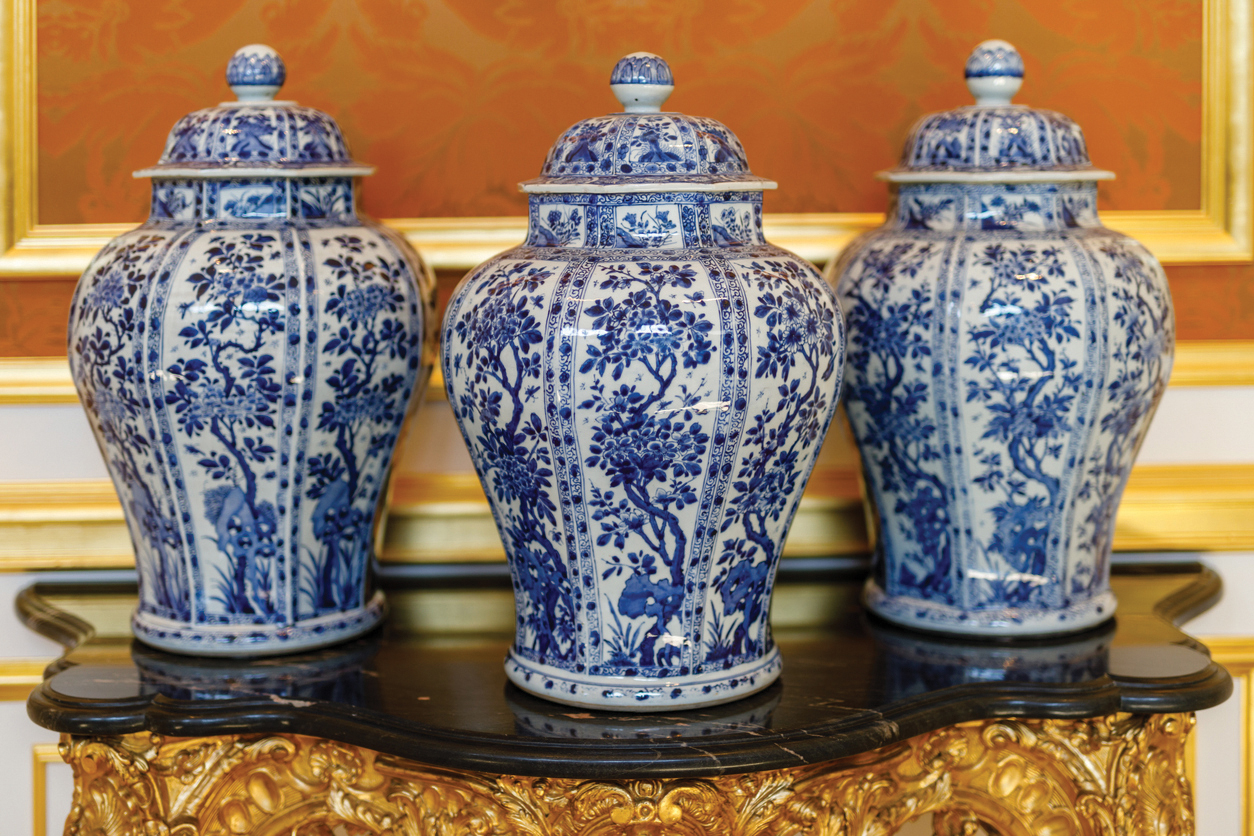
    But rather than lug these items to the landfill or drop them in a donation box, he recommends that you first explore other options. Take items that may have monetary value, such as tea sets, furniture, antiques, vintage items and designer clothing to a consignment store to be appraised. But do some research online or give the consignment store a call first. Consignment stores are selective. The merchandise they accept must be in “pristine condition,” says Jon. If they choose to accept an item, you retain ownership until it is sold. When the item is sold, the store will keep its commission and you take home the rest.

    If all else fails, take your items to your local thrift shop, Goodwill, Salvation Army, homeless shelter or a domestic violence shelter. Or find a nonprofit thrift store that sells donated items to fund a charitable mission. Precious treasures that your family may reject could be highly prized by a perfect stranger—a win-win for everyone.
    If your family members and friends have declined your offer to pass your treasured heirlooms to them, you are not alone. Jon Vendiola, the owner of a decluttering and moving service for kūpuna called “Lets Move, LLC,” has found this to be common among his customers. He cites differences in taste between generations and the…

  • The Cure for Retirement Disease

    Many of us have heard the paradox “all alone in a crowded room.” For many of our island seniors, it is a reality. Social isolation and loneliness are major enemies of the senior population. They are the common challenges of life after work.

    Imagine the situation: You have worked for over 50 years, many as supervisors in charge of others. And after all that time, you look forward to retiring. You see yourself as being free to do as you wish, when you wish and with whom you wish. But on that first day of retirement, you no longer have a place where you feel you belong. There are no “good morning” greetings—no afternoon lunch gossip.

    This is a reality for many retirees. Of course, many are prepared. They had their travel group set up. They were all set to garden, babysit or meet their friends for kanikapila at a local McDonald’s. But not all are prepared. Many seniors retire without having long-term plans in place. After the first month, they stop looking forward. They wake up, watch TV, eat alone and fall asleep. This becomes their new pattern. So, what do you do to prevent this? Start again.

    Having worked for Parks and Recreation Senior Section for over 30 years, I met the people who gave in to “the disease of being retired.” Others I met formed new beginnings. They joined clubs, set up a schedule of activities and rediscovered life. They found new reasons to wake up every day. Whether it was a senior club or just a group they met at the mall, life started to form anew.

    Remember back when you started your career? Do it again and this time you are your own boss. Rekindle a former passion, challenge yourself with a new project, order yourself to join a club or start a club of your own. Create activities you have always wanted to do—travel, garden or work out at your local recreation center.

    Look at opportunities to help others. I just started retirement and began a new career doing just that! My hobbies now dictate my deadlines. I feel renewed; I am just waiting for people to start telling me I look younger!


    CITY & COUNTY OF HONOLULU DEPT. OF PARKS & RECREATION, RECREATION SUPPORT SERVICES
    1000 Uluohia St., Kapolei HI, 96707
    808-768-3045 | ssantiago@honolulu.gov
    honolulu.gov/dpr

    Many of us have heard the paradox “all alone in a crowded room.” For many of our island seniors, it is a reality. Social isolation and loneliness are major enemies of the senior population. They are the common challenges of life after work. Imagine the situation: You have worked for over 50 years, many as…

  • Every Drop, a Lifeline for Hawai’i

    The Blood Bank of Hawai‘i (BBH) is the state’s only center for blood collection and distribution, supplying all 18 civilian hospitals. Because shipments from the continental US take time, local donations are essential to meet daily patient needs. BBH often relies on 150 to 200 donors each day to support surgeries, cancer treatments and childbirth. When emergencies spike, demand can exceed 300 units. On days with low supply, reserves can fall below a single day’s worth, forcing hospitals to make difficult choices about who receives life-saving treatment immediately and who must wait.

    Traci Takehara, senior recruiter for donor services at BBH and a multiple-time donor herself, oversees Lifesaver Clubs and coordinates drives throughout the islands. “Every donation has the power to save a life right here in our community,” Takehara says. “It’s life, hope and time for families who need it most.”

    Because blood cannot be manufactured, Hawai‘i’s hospitals depend entirely on volunteer donors to maintain a stable supply. Each unit has a limited shelf life, and demand fluctuates with surgeries and emergencies, making regular donations essential. All blood types are needed—including the most common—O-positive and A-positive—while O-negative remains especially valuable due to its universal compatibility.

    Many kūpuna rely on a consistent blood supply, especially those managing chronic conditions or preparing for procedures like dialysis, heart treatments or joint replacements. Yet fewer than 2% of Hawai‘i residents donate regularly, leaving hospitals with little buffer when demand is high. One pint can support up to three patients, so supplies can run low quickly.

    Different types of donations address specific medical needs. Whole blood, the most common, is used for a wide range of treatments. Platelets help cancer and trauma patients. Plasma supports burn-care and clotting disorders. Rare types like Jk3-negative, more common among Polynesian populations, are in high demand because they are harder to match.

    Most adults in Hawai‘i can donate if they are generally healthy, weigh at least 110 pounds and meet screening requirements. Many kūpuna remain eligible, depending on medications and medical history.

    BBH operates fixed locations on O‘ahu and regularly holds mobile drives to make donations accessible across the islands. Staff guide donors through every step, from check-in to recovery, and follow consistent safety protocols to protect both donors and patients. By maintaining a reliable supply, the Blood Bank supports care that keeps families together and ensures treatment remains close to home.

    Takehara emphasizes, “A steady blood supply ensures hospitals can care for all patients without making impossible choices.”


    For more information or to schedule a donation, visit bbh.org.

    The Blood Bank of Hawai‘i (BBH) is the state’s only center for blood collection and distribution, supplying all 18 civilian hospitals. Because shipments from the continental US take time, local donations are essential to meet daily patient needs. BBH often relies on 150 to 200 donors each day to support surgeries, cancer treatments and childbirth.…

  • Easiest Dumpling Soup (Mandu-guk)

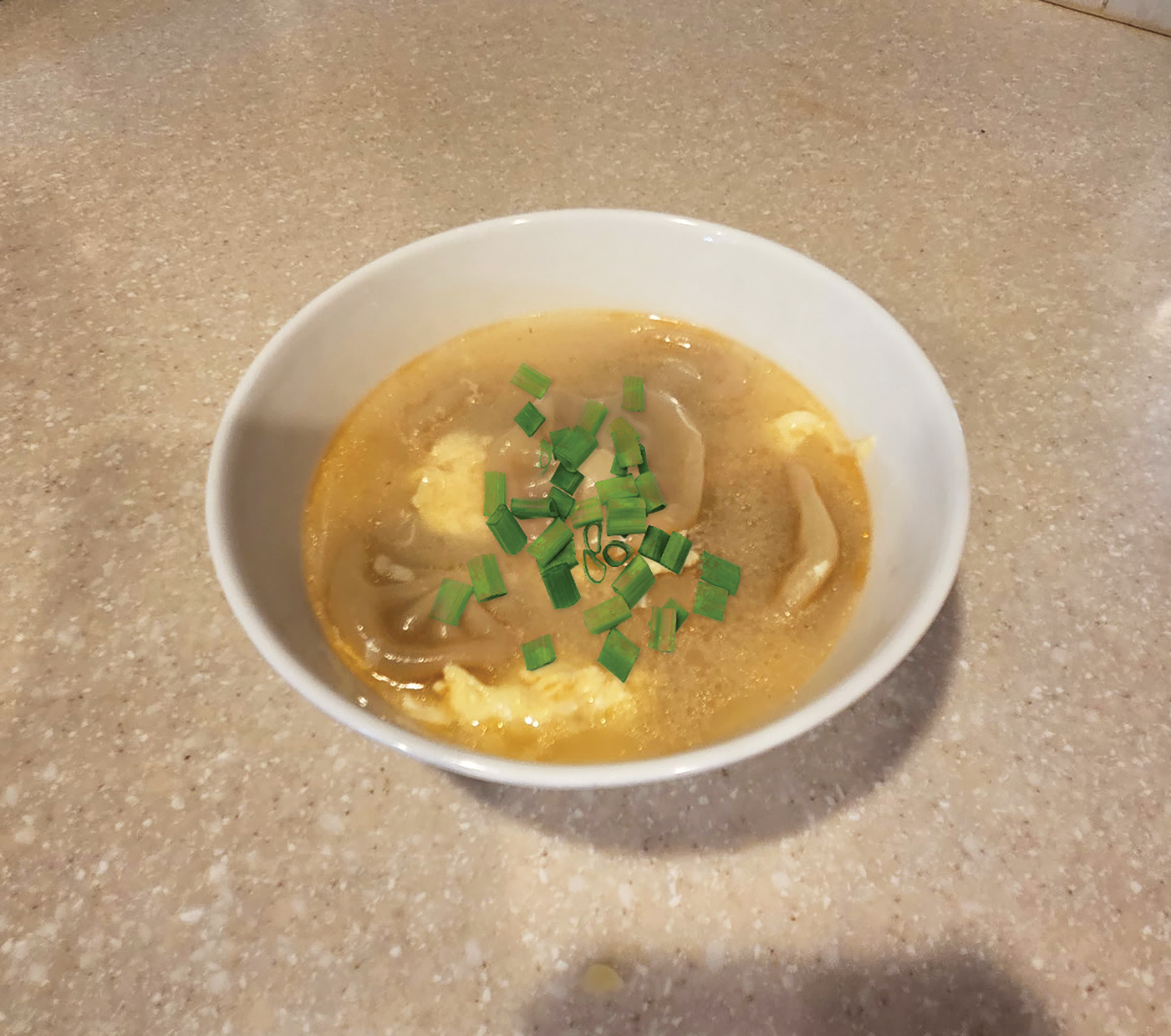
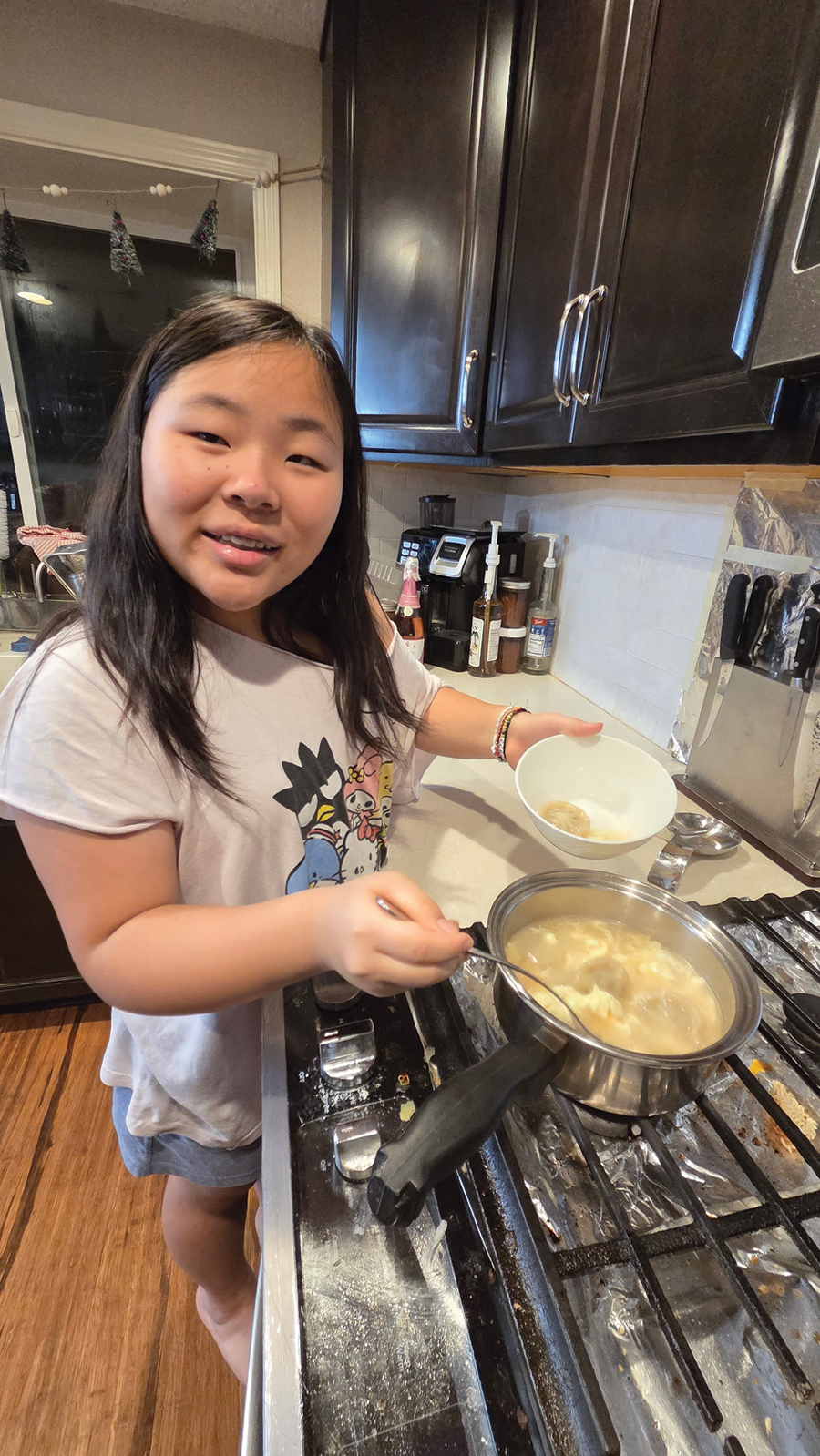
    This soup has become a new tradition for the Kim family—the dumpling soup my kids ask for every time we want a quick, comforting and easy dinner. And it is simple enough that at age 10, my daughter, Sophia, could make it on her own. Mandu (dumplings) are usually made during holidays like the Korean New Year or Chuseok, an autumn harvest festival. Families make them together and eat them together. There’s something special about a meal that is stress-free and still brings everyone to the table. On chilly days, manduguk is our go-to and a perfect recipe for kids who are learning their way around the kitchen.

    Ingredients

    1 pack Store-bought beef bone broth
    8–10 Store-bought dumplings (any brand)
    1 egg
    Chopped green onions, to taste
    Minced garlic, to taste
    A little sesame oil

    Directions

    1) Pour 1 pack of store-bought beef bone broth into a pot and add the same amount of water. Bring to a boil.
    2) While the broth is heating, mince the garlic and finely chop the green onions.
    3) Crack the egg into a bowl and beat it lightly.
    4) When the broth comes to a boil, add about 8–10 dumplings. Cook until the dumplings float to the surface.
    5) Once the dumplings float, add the minced garlic and stir.
    6) Slowly pour in the beaten egg in a circular motion. When the egg starts to set, gently stir with a spoon.
    7) Add the green onions and a little sesame oil, then stir.
    8) Season with salt and pepper if needed.

    If you add sliced rice cakes (tteok) along with the dumplings, it becomes tteok-mandu-guk (rice cake and dumpling soup).

    Prep & cook time: 45 minutes
    Serves: 2


    Do you have a favorite recipe and story to share?
    For consideration, include a photo and mail them to
    Generations Recipe, PO Box 4213, Honolulu, HI 96812, or
    email them to Cynthia@generations808.com.

    This soup has become a new tradition for the Kim family—the dumpling soup my kids ask for every time we want a quick, comforting and easy dinner. And it is simple enough that at age 10, my daughter, Sophia, could make it on her own. Mandu (dumplings) are usually made during holidays like the Korean…

  • Celebrating the Korean Culture

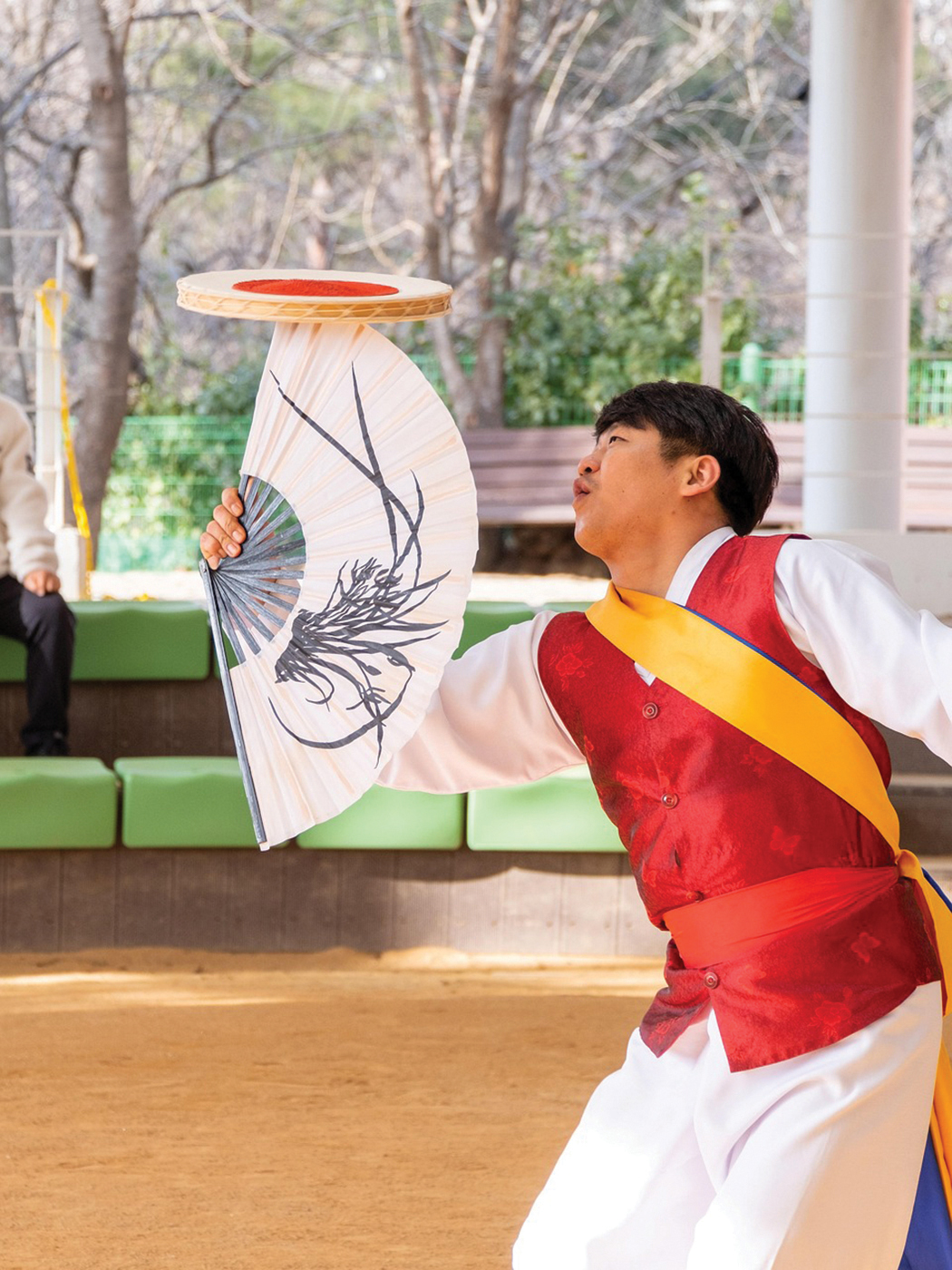
    Since more than 1,500 years ago, Kānaka Maoli (Native Hawaiians) have welcomed immigrants from every corner of the globe, cultivating and perpetuating a tapestry of diverse cultures. In the eighth article of this ongoing series on the many cultures that comprise Hawai‘i, we will focus on the Koreans, how they arrived in the Hawaiian Islands, the culture and celebrations.

    Korean Arrival in Hawai‘i

    The story of Korean immigration to Hawai‘i officially began on Jan. 13, 1903, when 56 men, 21 women and 25 children arrived in the islands. Like many other ethnic groups migrating to Hawai‘i, the men were recruited as laborers for sugarcane plantations. Their situation was unique in that Korean laborers were primarily seen as strikebreakers when Japanese laborers refused to work under exploitative conditions.

    By 1915, Korean presence in Hawai‘i had grown to over 7,000 strong. In these early years of immigration to Hawai‘i and then to the United States continent, some Korean intellectuals believed that emigrating from Korea would be useful in modernizing their homeland. As a result, the recruitment of Korean laborers and those willing to move to Hawai‘i saw little issue. Today, around 55,000 residents of Hawai‘i claim Korean heritage—about 4% of the population.

    Culture and Tradition

    The Koreans in Hawai‘i were self-starters. They immediately began organizing themselves through churches, establishing schools/social organizations and becoming business owners, and these practices continue today. As proof of this living history, Ke‘eaumoku Street in Honolulu – also affectionately called “Koreamoku”—features plenty of Korean-owned businesses, restaurants and sites for communal gathering.

    Many keiki grow up going to taekwondo practice and learning seoye (calligraphy). Hallyu (South Korean popular culture), Korean pop (K-Pop) and dramas are enjoyed across generations.

    The most beloved manifestation of the different cultures in Hawai‘i is, of course, food, and delicious and comforting Korean cuisine—like bulgogi, kalbi and meat jun, and banchan (sides) like kimchi and mandu—is no exception.

    Celebrations

    Organizations such as the United Korean Association of Hawaii and the Hawaii Korean Cultural Center offer culturally relevant classes and events throughout the year. The two largest cultural celebrations are the Korean Festival in August and the newer Kimchi Day Festival in November—both annual, held on O‘ahu and featuring events such as dance and drum performances, eating contests and celebrations of the arts.

    For more information, see the Hawai‘i Korean Chamber of Commerce website (hawaiikorean-chamber.org) as well as Generations Magazine’s Facebook page (facebook.com/genmag808) and website calendar (generations808.com/calendar) for community events and opportunities.


    The next article in this series will feature the influences of Mexican culture in Hawai‘i.

    Since more than 1,500 years ago, Kānaka Maoli (Native Hawaiians) have welcomed immigrants from every corner of the globe, cultivating and perpetuating a tapestry of diverse cultures. In the eighth article of this ongoing series on the many cultures that comprise Hawai‘i, we will focus on the Koreans, how they arrived in the Hawaiian Islands,…

  • Kaua‘i Libraries Offer Fun for Everyone!

    Exciting, free events are happening at Hanapēpē and Līhu‘e Public Libraries on Kaua‘i! The public library is the place to be for all ages, keiki to kūpuna, say Līhu‘e Branch Manager Kristen Hillman and Branch Librarian Mindy Gipson.

    Līhu‘e Public Library strives to offer programs that support the needs of library users of all ages. First Thursday Memory Catchers meetings are held on the first Thursday of each month at 4pm. The monthly meeting of the Kaua‘i Live Poets Society happens on the first Monday at 4:30pm. The Mom’s Support Group convenes every first Wednesday at 5:30pm. And the Early Literacy Center is for our youngest patrons.

    The Coloring Cafe offers a low-key atmosphere where adults can create and converse. The Friends of Līhu‘e Library provides self-serve coffee. “Usually thought of as a children’s activity, coloring has recently been recognized for its potential mental and physical health benefits, especially for adults facing stress, anxiety and dementia,” says Kristen.

    Hanapēpē Public Library, a community hub in Kaua‘i’s West Side, offers many free, fun activities for keiki, such as the Mokihana Berry Read-Aloud Club and Tunes, Tales and Twirls Keiki Storytime. Its adult events are also impressive, and above all, fun!

    Hanapēpē Public Library Branch
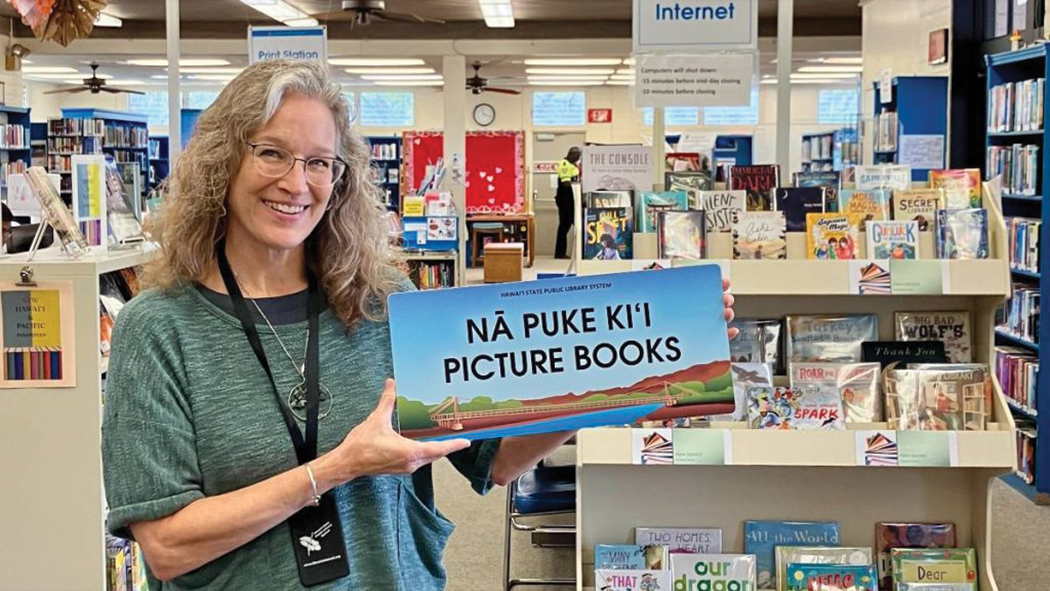
    Librarian Mindy Gipson poses with new library
    locations signage in Olelo Hawai‘i
    and English. Hanapēpē Public Library
    celebrated its 75th anniversary with a 1950s-style

    swing dance last February.

    “We had a remarkable turnout for our monthly Game and Puzzle Night on the last Thursday of the month,” says Mindy. “Families and individuals are returning to connect with others in the community to play chess, bridge, work puzzles and create with Legos.”

    A growing number of enthusiasts join together from 2 to 4pm for 4-Player Games: bridge on Tuesdays and mahjong on Wednesdays. The library has created the space for young adults and kūpuna alike to enjoy these brain-healthy games that provide a stimulating mental challenge. Game & Puzzle Nights are held the last Thursdays of the month from 5 to 7pm.

    “We are very grateful to the Friends of the Hanapēpē Public Library who fund the purchase of card tables and other furnishings, plus literacy developmental toys, storytime props and musical instruments to support our children’s programs,” says Mindy. “They also fund refreshments for many of our special events. The friends meet weekly in our meeting room creating oshibana (pressed flower) cards and other crafts to fund- raise for the library.”

    Learn more about Hawai‘i library events at tinyurl.com/HIPublicLibraryEventsCalendar.


    HAWAI‘I STATE PUBLIC LIBRARY SYSTEM
    Līhu‘e Public Library
    4344 Hardy St., Lihue, HI 96766
    808-241-3222 | kristen.hillman@librarieshawaii.org
    librarieshawaii.org
    Events Calendar:
    tinyurl.com/HIPublicLibraryEventsCalendar

    Exciting, free events are happening at Hanapēpē and Līhu‘e Public Libraries on Kaua‘i! The public library is the place to be for all ages, keiki to kūpuna, say Līhu‘e Branch Manager Kristen Hillman and Branch Librarian Mindy Gipson. Līhu‘e Public Library strives to offer programs that support the needs of library users of all ages.…

  • Papa’s Sapasui

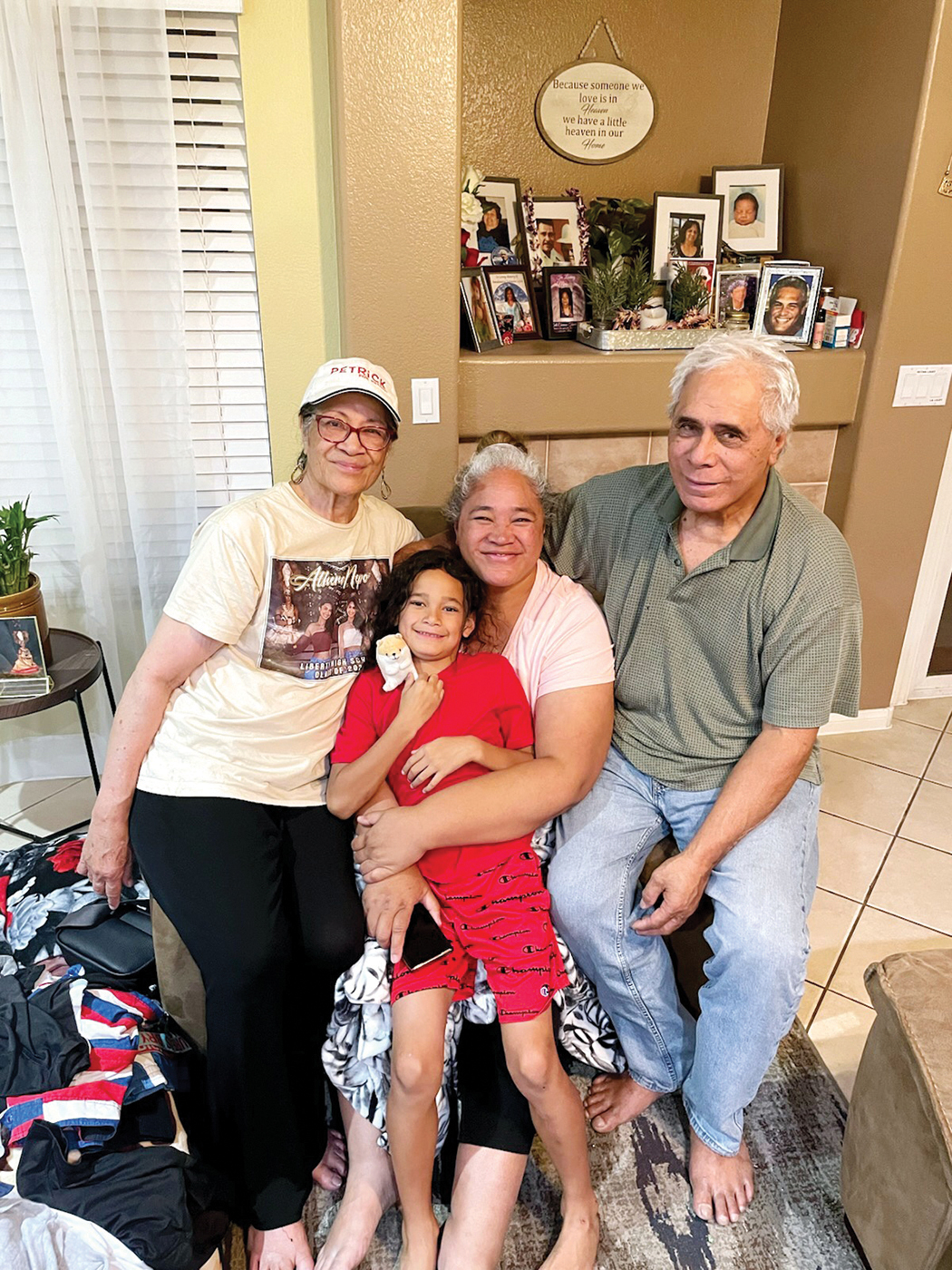
    When we were looking for a family dish to pair with our Samoan culture theme, the first person I thought of was one of my best friends, Fina Nepo. We’ve been friends for over 25 years and her family always has great food at their get-togethers. She is sharing one of their favorite meals with all of us! This family favorite was always made by Fina’s father, Salei Nepo (Papa).

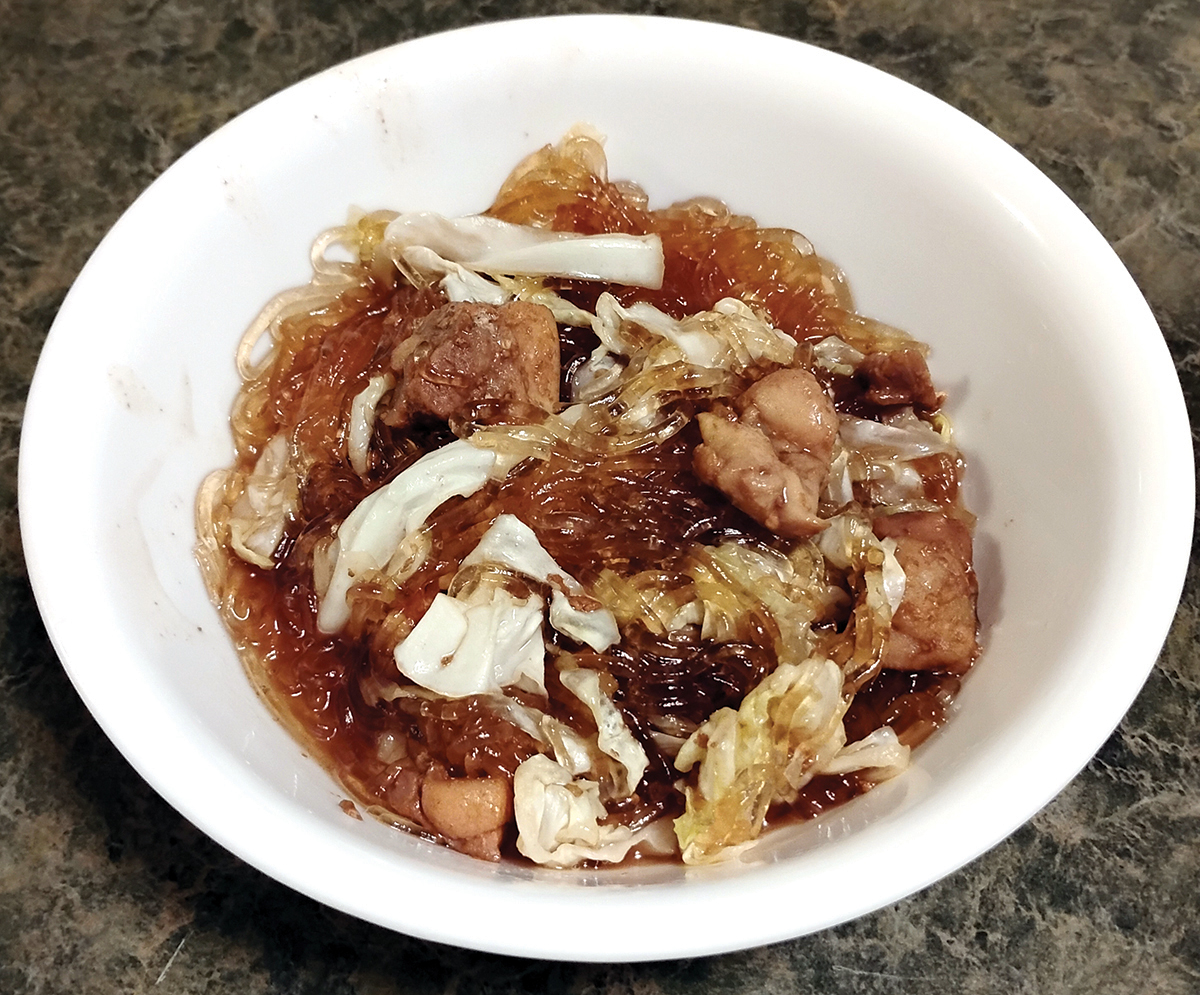
    Sapasui is the popular Samoan adaptation of Chinese chop suey. Even the name “sapasui” is a Samoanized version of “chop suey.” This saucy dish is a staple at Samoan family gatherings and feasts. Fina and her family enjoyed many sapasuis at big and small gatherings. I made it myself and my own family enjoyed it with rice, but Fina said they usually pair it with fa‘al ifu fa‘i (green bananas cooked with coconut milk).

    Enjoy this wonderful Nepo family favorite!

    Ingredients:
    1 lb. boneless chicken, beef chuck or 2 cans of palm corned beef
    2 tbsp. vegetable oil (for frying garlic, onion and ginger)
    1 large onion
    2–3 cloves garlic
    1–2 tbsp. ginger
    1/2 cup shoyu (may need to add more for flavor and color)
    1 cup water or beef/chicken stock (use stock for more flavor)
    1 package vermicelli or glass noodles
    salt and pepper to taste
    1 medium cabbage

    Preparation:
    Cut the meat chicken or beef chuck into bite-sized pieces. No need to cut the corned beef.
    Chop or mince garlic and ginger. Chop onion.
    Prepare noodles by following the instructions on the package. After draining, cut the noodles into 3- to 4-inch pieces.

    Cooking Instructions:
    1) Preheat a wok or pot over medium heat, then
    add the oil.
    2) Add garlic, onion, ginger and meat.
    3) When almost halfway cooked, add the shoyu
    and cook for 10 more minutes.
    4) Keep stirring until the meat is almost fully
    cooked. If using corned beef, reduce cooking time
    to 30 minutes.
    5) Add water—or stock for richer flavor.
    6) Add noodles. Stir well. Simmer for 10 minutes.
    7) Add more shoyu to taste.
    8) Add chopped cabbage.
    9) Stir, mixing all ingredients thoroughly. Turn
    the heat to low and cook for another 10 minutes,
    stirring occasionally to prevent the ingredients
    from sticking to the pan.
    Serve on a large platter or in a big bowl. Enjoy!
    Prep & cook time: 45–60 minutes
    Serves: 6–8 servings

    Recipe by SALEI NEPO


    Do you have a favorite recipe and story to share? For consideration, include a photo and mail them to Generations Recipe, PO Box 4213, Honolulu, HI 96812, or email them to Cynthia@generations808.com.

    When we were looking for a family dish to pair with our Samoan culture theme, the first person I thought of was one of my best friends, Fina Nepo. We’ve been friends for over 25 years and her family always has great food at their get-togethers. She is sharing one of their favorite meals with…

  • Celebrating the Samoan Culture

    Since more than 1,500 years ago, Kānaka Maoli (Native Hawaiians) have welcomed immigrants from every corner of the globe, cultivating and perpetuating a tapestry of diverse cultures. In the sixth article in this ongoing series on the many cultures that comprise Hawai‘i, we will focus on the Samoan, how the people arrived in the Hawaiian Islands, the culture and celebrations such as the We Are Samoa Festival.

    Samoan Arrival in Hawai‘i

    An ocean of islands, it is common speculation that the Pacific was settled from west to east, with people from Southwest Asia settling in Samoa and Tonga from 1600 to 1200 BC. Samoan and Tongan navigators discovered and settled Tahiti-nui, Hiva (Marquesas Islands) and Tuamotus, among others, in 300 BC. A few hundred years later, these voyagers discovered and settled in Hawai‘i. By the time Europeans sought to explore the Pacific in the 1500s, almost all of the islands had been inhabited for several centuries.

    Samoans have migrated to Hawai‘i for almost 2,000 years. Many immigrated from American Samoa after the Immigration and Nationality Act of 1952. Today, about 44,000 people in Hawai‘i are of Samoan descent, making them the second-largest group of Pacific Islanders after Kānaka Maoli.

    Culture and Tradition

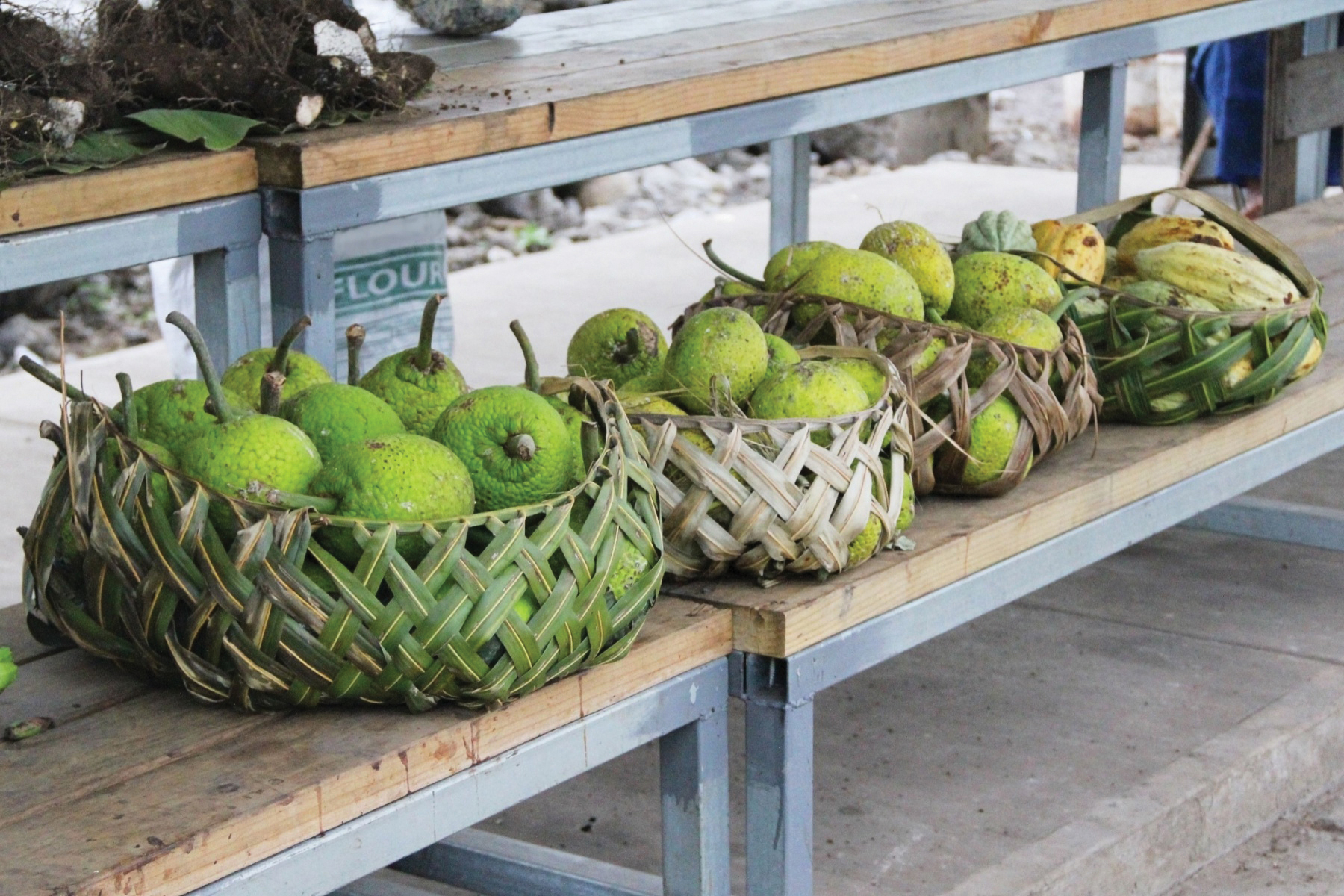
    Because of their geographical and ancestral proximity, Samoan culture shares many similarities with other Polynesian islands—Aotearoa (New Zealand), Hiva, Tonga and Hawai’i, to name a few. Historically, artifacts such as fishhooks, lures and records of vegetation/wildlife gesture to similarities, as these island populations shared strengths in fishing and farming.

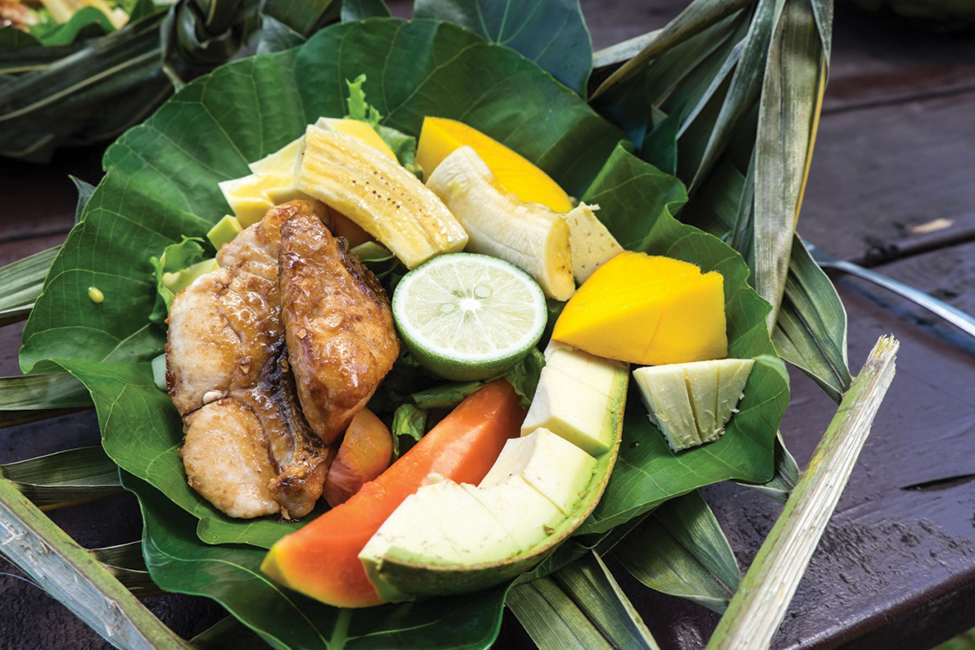
    Fa‘a Samoa (the Samoan way) prioritizes ‘aiga (family/community), lotu (church) and alofa ( love). Some traditions include the rite of ‘ava, where the ceremonial beverage is shared to mark significant events and tatau (Samoan tattoos), a 2,000-year-old art form that affirms Samoan identity and adulthood. Lot u Tama i t i (White Sunday) is a Samoan holiday (also celebrated in Tonga and Tokelau) held on the second Sunday of October, when communities celebrate children.


    Celebrations

    The We Are Samoa Festival is Hawai‘i’s largest Samoan cultural fête, centering the ailao (traditional warrior’s knife dance) via the World Fireknife Championship. The festival is typically held in early May. Another celebration, the Samoan Heritage Festival, a widely practiced celebration that takes place during the summer all over the US , came to Hawai‘i in 2023.

    For more information, visit the We Are Samoa Festival website (worldfireknife.com/we-are-samoa-festival) as well as Generations Magazine’s FaceBook page (facebook.com/genmag808) and website calendar (generations808.com/calendar) for community events and opportunities.


    The next article in this series will feature the influences of Korean culture in Hawai‘i.

      Since more than 1,500 years ago, Kānaka Maoli (Native Hawaiians) have welcomed immigrants from every corner of the globe, cultivating and perpetuating a tapestry of diverse cultures. In the sixth article in this ongoing series on the many cultures that comprise Hawai‘i, we will focus on the Samoan, how the people arrived in the Hawaiian…

    1. Spinning a Yo-Yo, One Trick at a Time

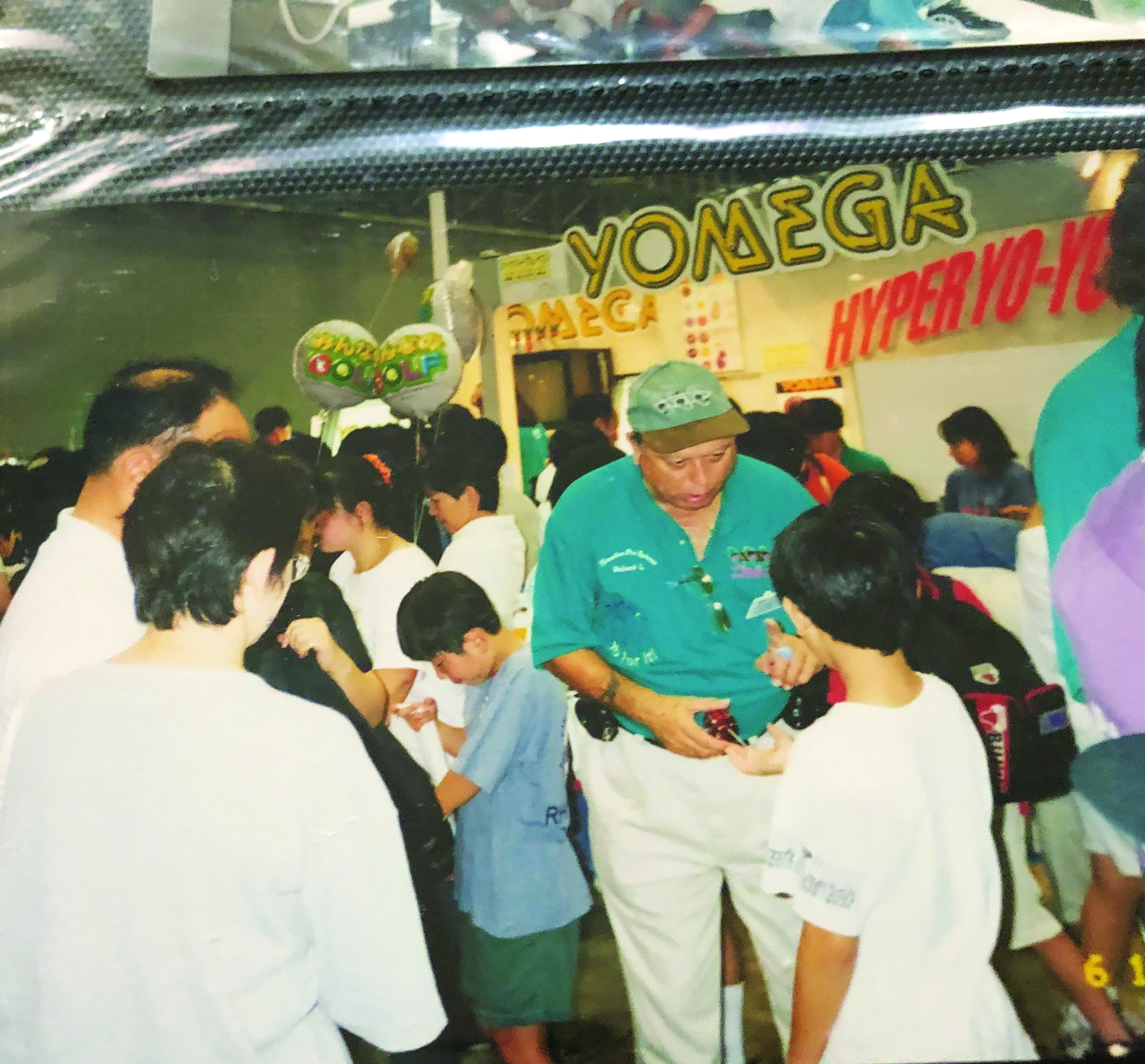
      You might remember the yo-yo craze of the 1950s—kids rushing to grab the latest models and daring each other to master every spin, loop and flip.

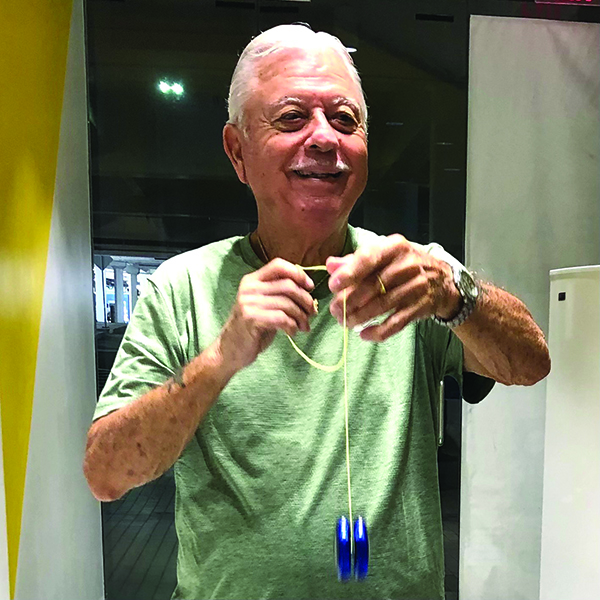
      Amid the frenzy, young Richard Lee of Honolulu discovered a passion that would shape his life. He spent countless hours practicing at the Ben Franklin store in Kaimuki and in local parks, refining his tricks under the watchful eyes of friends and competitors. However, Lee’s family didn’t always understand his obsession with the toy. That lack of support only strengthened his resolve, driving him to mastering the yo-yo.

      By 1951, Richard’s commitment paid off: He claimed his first national championship at the Duncan Yo-Yo Tournament, followed by consecutive victories in 1952 and 1953. Audiences were captivated by his precision and flair, particularly his Flying Trapeze trick, which became the hallmark of his performances.

      Long before it became popular, the yo-yo traveled from the Philippines, where it was called a “come-come” and used for hunting and skillful play. By the time it reached Honolulu, it had evolved into a test of dexterity and style—a challenge he embraced wholeheartedly. For him, mastery wasn’t just about applause or awards; it became a way to give back. He discovered fulfillment in teaching, guiding players as they learned the tricks and discipline that shaped his own journey.

      After his championship years, Richard turned to mentoring the next generation. In the 1980s and 1990s, he performed at community events, including family nights at Nehelani, alongside the students he trained. They demonstrated tricks like Walk the Dog and Rock the Baby, encouraging attendees to try them. Weekends became informal classrooms, where children learned everything from basic spins to advanced flips. Through patience and precision, Lee’s lessons went far beyond the yo-yo, helping kids build confidence, resilience and pride.

      Richard can still be found demonstrating tricks, mentoring young enthusiasts and keeping the yo-yo alive on weekends at Ala Moana and Kāhala Mall. Known affectionately as “Yo-Yo Man” and “Big Daddy,” his legacy extends beyond trophies—it lives in the hands of every child who learns to loop, flip and spin. Richard Lee’s influence continues to spread across the islands, one yo-yo at a time.

      You might remember the yo-yo craze of the 1950s—kids rushing to grab the latest models and daring each other to master every spin, loop and flip. Amid the frenzy, young Richard Lee of Honolulu discovered a passion that would shape his life. He spent countless hours practicing at the Ben Franklin store in Kaimuki and…

    2. Dinuguan (Pork Blood Stew)

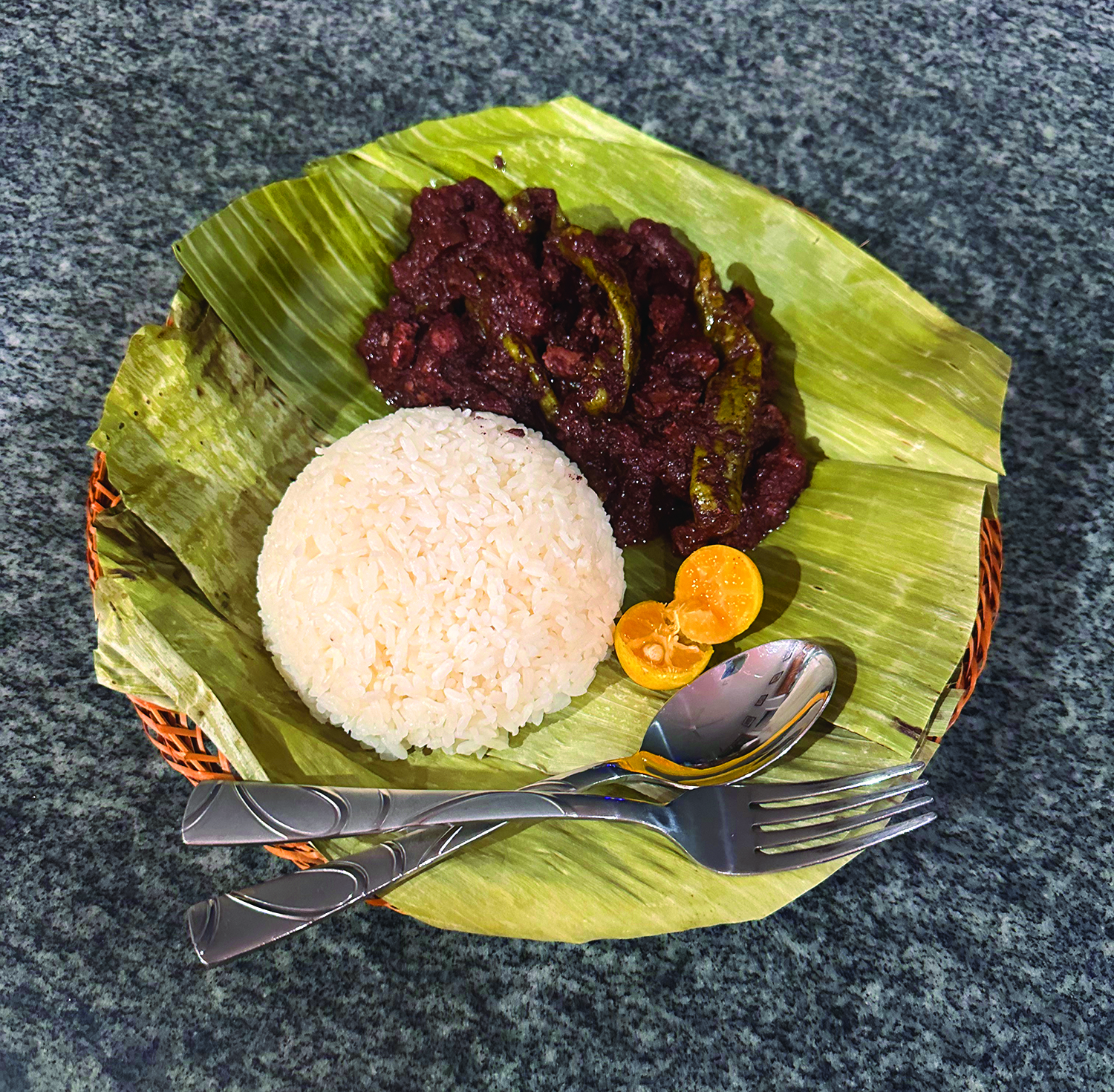
      The “blood” in the name of this dish may sound unpleasant to some, but I assure you that dinuguan is well-loved among Hawai‘i locals, who have nicknamed it “chocolate meat.” It’s a traditional dish in Filipino culture, but each region of the Philippines has its own variations when it comes to spices and consistency. The north likes it dry; the south likes it more soupy. I use my own variation of ingredients, including lemongrass for aroma and coconut milk for a Visayan flair. Pork blood may be bought at any Asian store or local market.

      Ingredients:

      3 lbs. pork (belly & lean meat)
      3 stalks lemongrass
      1/4 lb. sweet chili peppers
      1/2 cup shallot onions (s l i ced)
      2 tbsp. fresh garlic (diced)
      1 cup fresh pork blood
      5 cups water
      1/2 cup coconut milk
      2 tbsp. fish sauce (any brand)
      2 tbsp. vinegar (any type)
      5 leaves bay leaf (whol e)
      1 tbsp. peppercorns (crushed)
      1/8 tsp. salt (to ta st e)
      1 calamansi (Philippine lime)

      Prep & cook time: 1 hour
      Serves: 7–10

      Preparation:
      Cut the two types of pork meat (belly and lean) into 3/4-inch cubes and put them in a bowl.

      Crush the whole lemongrass stalks, then fold them in half and tie them into a bundle using one of the lemongrass leaves.

      Dice the fresh garlic (about 2 or 3 cloves), slice the shallots and crush the peppercorns into large granules. (Note: crushed peppercorns are preferred over ground pepper.)

      All the other ingredients may be prepped ahead
      of time or done during cooking.

      Cooking directions:
      1) Use a wok (preferred) or a deep frying pan with a lid. Brown the pork belly on medium heat. No oil is used, so stir the meat constantly to prevent it from sticking to the pan.

      2) After the pork belly has rendered some fat, add the garlic, shallots and lean meat. Stir while cooking the lean meat halfway through—for about one minute.

      3) Add the bay leaves, crushed peppercorn and salt (to taste) and sauté for 2 minutes.

      4) Add 5 cups of water, the fish sauce and lemongrass bundle. Boil for 1 minute. Lower the heat. Cover and simmer the mixture for 25 minutes.

      5) Add the sweet chili peppers. Simmer for about 5 minutes. Add more salt if needed. Remove the bundled lemongrass. Continue to simmer.

      6) Dribble the vinegar evenly. Do not stir. Simmer for 1 minute, then stir to mix all of the ingredients. Pour in the coconut milk and stir again.

      8) Add 1 cup of pork blood, stirring constantly until the blood turns to a chocolate color, indicating the blood had been cooked. Stir and simmer to the desired consistency. Add more vinegar to your taste.

      Serve with a slice of calamansi for squeezing over the dish. Enjoy with steamed rice or puto (steamed rice cake) or simply as a pulutan (appetizer) with your favorite beverage.


      Do you have a favorite recipe and story to share? For consideration, include a photo and mail to Generations Recipe, PO Box 4213, Honolulu, HI 96812, or
      email them to Cynthia@generations808.com.

      The “blood” in the name of this dish may sound unpleasant to some, but I assure you that dinuguan is well-loved among Hawai‘i locals, who have nicknamed it “chocolate meat.” It’s a traditional dish in Filipino culture, but each region of the Philippines has its own variations when it comes to spices and consistency. The…

    3. Celebrating the Filipino Culture

      Since more than 1,500 years ago, Kānaka Maoli (Native Hawaiians) have welcomed immigrants from every corner of the globe, cultivating and perpetuating a tapestry of diverse cultures. In the sixth article in this ongoing series on the many cultures that comprise Hawai‘i, we will focus on the Filipino, how the people arrived in the Hawaiian Islands, their culture and celebrations such as the Barrio Fiesta and Flores de Mayo.

      Filipino Arrival in Hawai‘i

      In the mid-1800s, the first few Filipinos (called “Manila men”) settled in Hawai‘i, finding work as cooks and musicians in the Royal Hawaiian Band. These men were some of the first sakadas (overseas migrant workers).

      In the early to mid-1900s, an estimated 125,000 Filipino workers immigrated to Hawai‘i from the Ilocos and Visayas regions of the Philippines. Many of these workers were recruited to work on sugar plantations due to their agricultural knowledge, where they worked long hours under intense heat for little pay. In the beginning, most sakadas were single males, but as time went on, more workers brought their families with them. Today, people of Filipino descent make up the second largest ethnic group in Hawai‘i at 25.1% of the population.

      Culture and Tradition

      The Filipino culture is heavily family-oriented, emphasizing respect for elders, hospitality and bayanihan, or a spirit of communal unity. Filipinos in Hawai‘i often pack and send balikbayan boxes (care packages) full of clothes and snacks for family in the Philippines, and bring pasalubong (souvenir gifts) from Hawai‘i.

      Perhaps the most pervasive feature of Filipino culture in Hawai‘i is the cuisine. Go to any family gathering or graduation party, and more often than not, you’ll see at least one of the following: lumpia, pork or chicken adobo, pancit and halo-halo. And who can forget about ube (purple yam)—in lattes, pastries, ice cream—sweetening up our lives?

      Flores de Mayo & Filipino Fiesta

      The culture is heavily influenced by Catholicism, introduced during Spanish colonization. Filipinos celebrate many Catholic holidays with several events held throughout the Hawaiian Islands. This past May, the 56th annual Barrio Fiesta was held on Maui with cultural performances, food and a pageant. Next May, the Filipino Community (FilCom) Center will host the Flores de Mayo & Filipino Fiesta, the largest celebration of Filipino culture on O‘ahu. Traditionally celebrated as a devotion to the Blessed Virgin Mary, the upcoming celebration will feature a balut eating (fertilized duck egg) contest, a cultural clothing market, tinikling (bamboo dance) and more.

      For more information, see the FilCom Center’s website (filcom.org) as well as Generations Magazine’s Facebook page (facebook.com/genmag808) and calendar (generations808.com/calendar) for community events and opportunities.


      The next article in this series will feature the influences of Samoan culture in Hawai‘i.

      Since more than 1,500 years ago, Kānaka Maoli (Native Hawaiians) have welcomed immigrants from every corner of the globe, cultivating and perpetuating a tapestry of diverse cultures. In the sixth article in this ongoing series on the many cultures that comprise Hawai‘i, we will focus on the Filipino, how the people arrived in the Hawaiian…

    4. Ready, Aim, Fun!

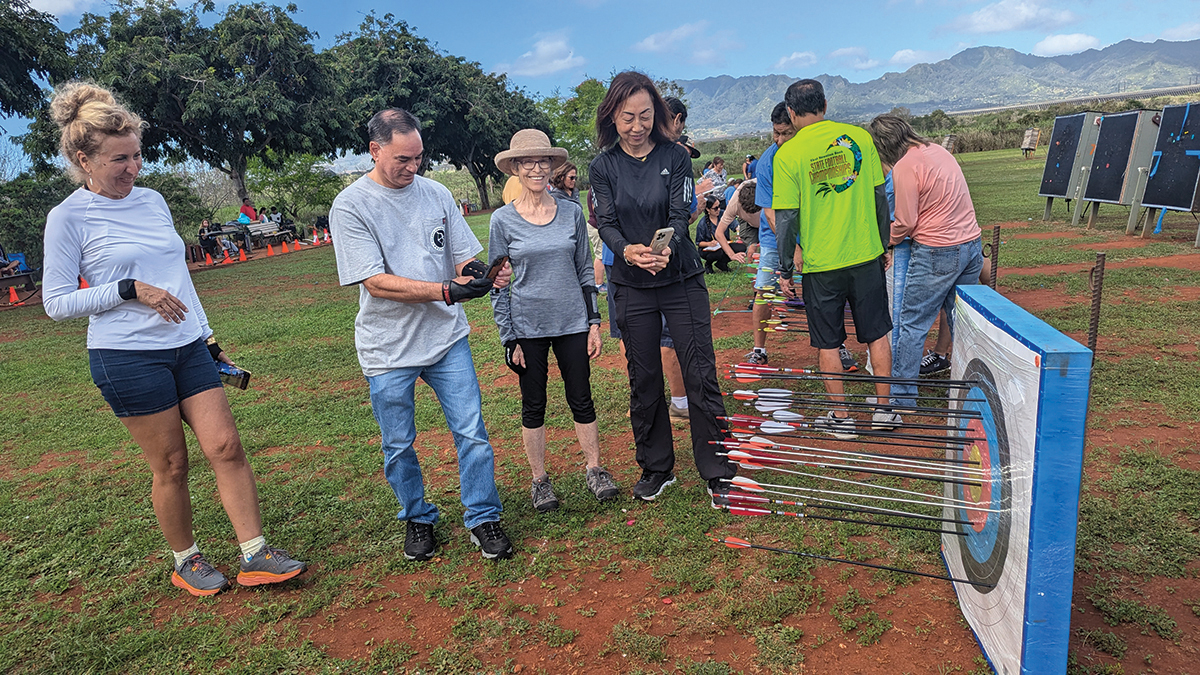
      Archery, the sport of kings, is finding its way into our city parks. The City and County of Honolulu Department of Parks and Recreation has introduced archery into its programs. Many participants say they first shot a bow and arrow at a summer camp. Then they grew up and found other interests. With cartoons and TV series recently including the sport, archery interest has resurged.

      City and County of Honolulu Parks and Recreation programs are open to people of all ages. But the group seeing the most growth is ku¯ puna. It is never too late to recreate and archery is a sport in which they can shine!

      Archery is one of the few sports in which men and women compete together at a venue. In our program, men and women shoot side by side at the range.

      It is both a social sport and a “private” sport. You can enjoy the camaraderie of all the other archers, laughing and talking between shots, or you can find your “Zen” space and use it as a contemplative time. Our island seniors have found both. We may have a wife talking to her archery friends between shots while her husband finds his relaxation drilling holes in a gold circle.

      Archery equipment is not extremely expensive for a beginner. It costs way less than a set of golf clubs and the range is free.

      Archery is also not difficult to start. Equipment can be borrowed from the recreation center; you will buy your own as you get into the sport.

      The strength needed to pull the string is adjusted to your physical capability. As you develop your muscles, you will move up to better equipment. But many archers use the same bow for a long time. The arrows, of course, are reusable.

      Your biggest competition is yourself. You can shoot for fun and relaxation or you can shoot for higher scores. So, get up, get out and join other senior citizens in our programs who are re-finding the sport of archery!

      Clear your mind and sharpen your focus! Call your local park to find the nearest class.

      CITY & COUNTY OF HONOLULU DEPT. OF PARKS & RECREATION, RECREATION SUPPORT SERVICES
      1000 Uluohia St., Kapolei HI, 96707
      808-768-3045 | ssantiago@honolulu.gov
      honolulu.gov/dpr

      Archery, the sport of kings, is finding its way into our city parks. The City and County of Honolulu Department of Parks and Recreation has introduced archery into its programs. Many participants say they first shot a bow and arrow at a summer camp. Then they grew up and found other interests. With cartoons and…