Kealii Lopez, State Director, AARP Hawaii

  • Lawmakers Must Step Up for Caregivers

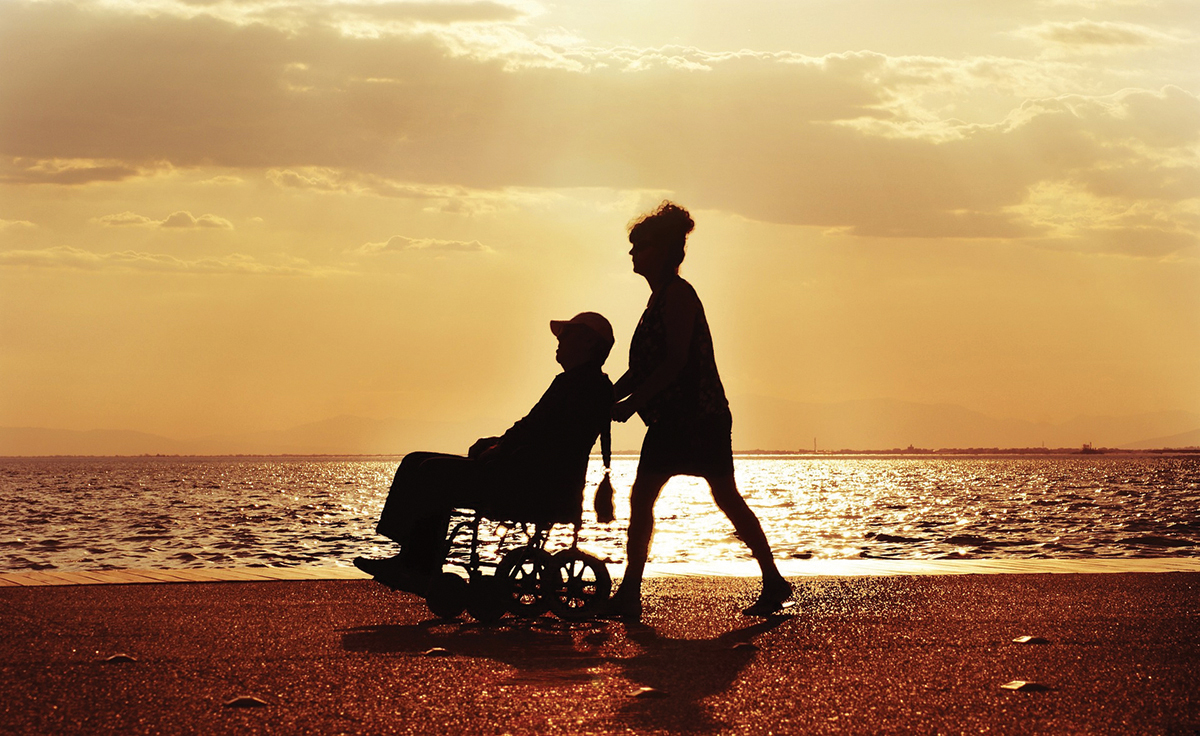
    That nearly one in four people in Hawai‘i is or recently was a family caregiver comes as no surprise to Judith Wong.

    The Honolulu resident is caring for her husband, who was diagnosed with a degenerative muscular disease in 2016.

    “His disease is very long-term,” she said. “It will not kill him. It will disable him. So I have concerns about whether we will have adequate resources to carry us all the way through without putting us in a financial bind.”

    The “Caregiving in the U.S. 2025: Caring Across States” report confirms what we’ve long known: Family caregivers, numbering about 260,000 in Hawai‘i, need our support.

    Family caregivers like Judith provide more than $2.6 billion in unpaid care each year in Hawai‘i, helping adult family members remain at home—where they want to be. They help with bathing, cooking, managing medications, driving to the supermarket/doctor appointments and handling medical tasks, sometimes with little or no caregiver training.

    Being a caregiver is hard, demanding work. It takes a toll on your finances, on your body and on your mental health.

    Caregivers who work must balance the needs of their jobs with the needs of their loved one. About 80% of caregivers pay out of their own pocket for caregiving expenses, an average of about $7,200 a year. Many reduce work hours or quit working, further straining finances. About half report taking on debt and draining savings. AARP Hawai‘i is fighting to provide greater support to family caregivers through state and federal tax credits, paid family leave and incentives to ease the workforce shortage of paid caregivers. AARP Hawai‘i offers free caregiving tools and resources at aarp.org/caregiving.

    AARP Hawai‘i also created a nationwide movement to empower family caregivers. Called “I Am A Caregiver,” it asks caregivers—and people who support caregivers—to raise their hands and show lawmakers that they can’t continue to ignore the needs of people who care for others.

    Join AARP Hawai‘i at aarp.org/iamacaregiver or share your caregiving story with us via email at hiaarp@aarp.org.


    AARP HAWAI‘I (nonprofit)
    1001 Bishop St., Ste. 625, Honolulu, HI 96813
    866-295-7282 | hiaarp@aarp.org
    aarp.org/hi | facebook.com/aarphawaii

    That nearly one in four people in Hawai‘i is or recently was a family caregiver comes as no surprise to Judith Wong. The Honolulu resident is caring for her husband, who was diagnosed with a degenerative muscular disease in 2016. “His disease is very long-term,” she said. “It will not kill him. It will disable…

  • Cryptocurrency ATM Scams

    The latest scam tool that international criminal gangs use to take money from kūpuna is likely in your neighborhood supermarket or convenience store.

    Bitcoin ATMs, which look similar to bank ATMs, have become commonplace sitting next to regular ATMs, alongside the DMV registration machine and video rental box. There are nearly 100 of them in Hawai‘i and more keep getting added.

    The FBI said that reported crimes involving cryptocurrency ATMs almost doubled last year with nearly 11,000 complaints and losses of about $247 million in 2024.

    The scammers target kūpuna who may not be familiar with bitcoin and cryptocurrency. The Federal Trade Commission says people 60 and older are three times more likely to report being a victim of cryptocurrency ATM fraud.

    The scams often involve a phone call from a fake government or bank official who convinces the consumer that their money is in danger and they need to transfer it to a safe place. Sometimes they call cryptocurrency ATMs a “federal safety locker.” Sometimes it’s a variation of the grandparents or romance scams; the consumer is told to pay into a cryptocurrency ATM to get their grandchild out of jail or to invest in cryptocurrency by someone they have been persuaded to trust.

    What can be done?

    AARP Hawai‘i is pushing for commonsense legislation to limit cryptocurrency ATM transactions to $2,000 per visit, which could limit fraud losses. We’re also lobbying for better fraud warnings and in some cases refunds to consumers.

    Be aware that only scammers demand payment with cryptocurrency. The government never accepts cryptocurrency. Also, if you see someone, especially kūpuna, feeding money into a crytocurrency ATM who looks distressed and may be on the phone with someone directing them, let store authorities or even the police know.

    If you have been a victim of cryptocurrency ATM fraud or know someone who has lost money, let AARP Hawai‘i know by emailing us at the address below. We need to educate lawmakers about this fraud trend and hearing from constituents will help us pass legislation that could save kūpuna from losing their life savings.


    AARP HAWAI‘I (nonprofit)
    1001 Bishop St., Ste. 625, Honolulu, HI 96813
    866-295-7282 | hiaarp@aarp.org
    aarp.org/hi | facebook.com/aarphawaii

    The latest scam tool that international criminal gangs use to take money from kūpuna is likely in your neighborhood supermarket or convenience store. Bitcoin ATMs, which look similar to bank ATMs, have become commonplace sitting next to regular ATMs, alongside the DMV registration machine and video rental box. There are nearly 100 of them in…

  • Medicare, Medicaid & ‘One Big Beautiful Bill’

    The One Big Beautiful Bill (OBBB) that was signed into law this summer is big; it’s complicated and hard to explain in a short article. But know this: Most of the changes don’t take effect until 2027, so there should be time to learn how it may affect you and figure out how those who need coverage can still get coverage.

    Medicare is federal health insurance for those 65 and older and Medicaid is a joint state and federal program for those of all ages with limited income and resources. In Hawai‘i, Medicaid is known as QUEST. Know also that AARP is fighting to protect Medicare and fight harmful changes to Medicaid. Articles at aarp.org go into detail about the bill and what AARP is doing.

    The bill has some impact on Medicare. It limits coverage to specific legal immigrant categories and drops coverage for those who don’t qualify. It weakens some aspects of Medicare drug price negotiations by expanding the orphan drug exemption, reducing the number of medications eligible for price negotiations. The bill could also trigger automatic Medicare spending cuts of up to 4% unless waived by Congress.

    Republicans and Democrats are saying different things about the OBBB, which is likely increasing confusion about it.

    Republicans say the new law will reduce Medicaid fraud and waste and Democrats say it creates unnecessary paperwork that will result in people losing coverage. Democrats also say it is a threat to rural hospitals and clinics.

    The nonpartisan Congressional Budget Office estimates some 10 million people may lose their Medicaid coverage over the next 10 years. The bill is also estimated to cut roughly $911 billion from Medicaid through 2034.

    The key phrase is “next 10 years.” The biggest changes don’t happen until 2027, after the 2026 mid-term elections.

    States need to start planning for the changes and are awaiting guidance from the federal government. So, despite the passage of the bill, it’s still largely unknown what people need to do to keep their coverage. It is likely that different states will implement the changes in different ways, adding complication.

    One good thing in the OBBB that AARP supported is a new $6,000 tax deduction taking effect in the 2025 tax year for those 65 and older whose modified adjusted gross income is less than $175,000. The details are complicated, so go to AARP’s website to find articles about it and you’ll hear more about it next year as tax season approaches.


    AARP HAWAI‘I (nonprofit)
    1001 Bishop St., Ste. 625, Honolulu, HI 96813
    866-295-7282 | hiaarp@aarp.org | aarp.org/hi
    facebook.com/aarphawaii

    The One Big Beautiful Bill (OBBB) that was signed into law this summer is big; it’s complicated and hard to explain in a short article. But know this: Most of the changes don’t take effect until 2027, so there should be time to learn how it may affect you and figure out how those who…

  • Averting Hawai‘i’s Caregiver Crisis

    The findings of a recent Columbia University study—that Hawai‘i is a high-risk state for a family caregiver shortage—should come as no surprise to the estimated 154,000 family caregivers who reside here.

    AARP estimates that Hawai‘i’s family caregivers put in 144 million hours of unpaid care a year to loved ones in Hawai‘i. If they were paid, the value of what they do for others would be $2.6 billion.

    Without family caregivers, our long-term care system in Hawai‘i would collapse; we wouldn’t be able to take care of our kūpuna.

    The study looked at demographics. Hawai‘i’s older population is increasing faster than other states. As more of our population ages, there will be fewer younger residents who can take care of kūpuna who need care.

    The study also looked at the need for workers who can provide paid services in-home and the availability of nursing home or adult residential care home services.

    Family caregivers, especially those who live in rural areas, know those services are in short supply. There are not enough workers now and the need will grow unless we can increase the paid caregiving workforce.

    The cost of living and the cost of caregiving are other factors. Caregiving isn’t cheap. Family caregivers spend about $7,200 of their own money on average—about 26% of their income—on out-of-pocket caregiving expenses. Add in Hawai‘i’s high cost of living and that some caregivers may retire early or quit work to care for loved ones, the financial sacrifices family caregivers make can be overwhelming.

    The Hawai‘i Legislature has taken some steps to increase Medicaid payments for companies providing paid caregiving services. But other policies that can help, like paid family leave and a tax credit for family caregivers, were not passed.

    If you’re a family caregiver, know that you are not alone.

    Help is available and AARP is advocating for you. If we all make our voices heard, there are too many of us for lawmakers to continue to ignore. Hawai‘i must do better for family caregivers and avert the crisis that is clearly ahead of us.

    Join us in fighting for caregivers through the state legislature by contacting Advocacy Director Audrey Suga-Nakagawa at hiaaarp@aarp.org.

    AARP HAWAI‘I (nonprofit)
    1001 Bishop St., Ste. 625, Honolulu, HI 96813
    866-295-7282 | hiaarp@aarp.org | aarp.org/hi
    facebook.com/aarphawaii
    Resources for Family Caregivers:
    Aarp.org/caregiving
    AARP Caregiver Support Group on Facebook:
    facebook.com/groups/aarpfamilycaregivers/
    Aging and Disability Resource Center:
    Hawaiiadrc.org | 808-643-2372
    Aloha United Way 211:
    auw211.org | 2-1-1
    Join us in advocating for caregivers at the Legislature:
    Contact Advocacy Director Audrey Suga-Nakagawa at hiaaarp@aarp.org

    The findings of a recent Columbia University study—that Hawai‘i is a high-risk state for a family caregiver shortage—should come as no surprise to the estimated 154,000 family caregivers who reside here. AARP estimates that Hawai‘i’s family caregivers put in 144 million hours of unpaid care a year to loved ones in Hawai‘i. If they were…

  • Social Security in Flux

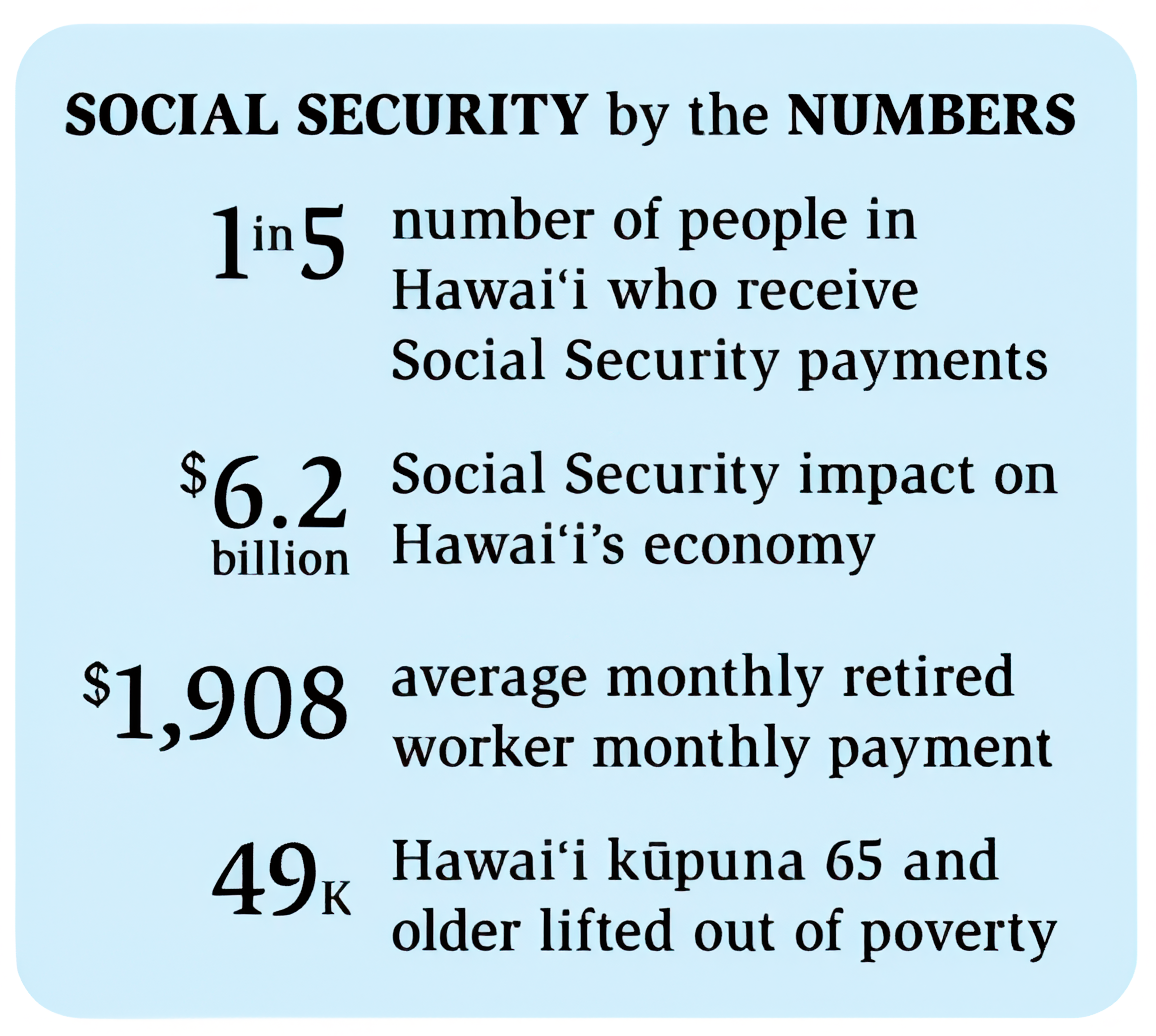
    Social Security (SS) will celebrate its 90th anniversary this summer.

    On Aug. 14, 1935, President Franklin D. Roosevelt signed it into law, and over the years it has arguably become the most successful and popular government program in history.

    As we mark the anniversary of Social Security, we note that the program is experiencing problems with customer service and that Congress has still not addressed the looming deadline in 2035—when Social Security turns 100—the year
    when payments will be reduced by about 20% because the SS surplus runs out of money.

    Let’s be clear that Social Security will continue past 2035 as long as working Americans pay into the system. But the surplus funds that Baby Boomers and others paid will run out as more Baby Boomers and Gen Xers retire and start collecting unless Congress acts and approves changes to increase revenues and/or change benefits.

    AARP is urging Congress to act sooner rather than wait until the deadline so there are more options for solutions. We also want Congress to be transparent about the changes they are considering so the public can have input.

    More immediately, Congress needs to provide oversight to the Social Security Administration (SSA) to prioritize improving customer service. In the last year, AARP has received thousands of calls and messages from ku¯ puna concerned about their Social Security, including complaints about website crashes and outages, and long waits at overwhelmed field offices.

    The good news is that people are passionate about SS. A proposal to end phone service for benefit applications generated more than two million messages to Congress. The SSA listened and allowed phone service to continue. We paid into Social Security during our working lives. It’s our money and we must be able to access it in a timely manner without having to wait on hold, without having to make multiple calls, and without websites crashing and inconsistent service at field offices.

    AARP Hawai‘i will give an update on Social Security at the Generations Magazine Aging in Place conference at the Ala Moana hotel on Aug. 2.

    AARP Hawai‘i is also holding Social Security events across the state. You can also go online to learn more about what’s happening to Social Security and add your voice to the millions calling for improved customer service at aarp.org/socialsecurity.

    One last note of caution—the confusion and changes at Social Security may lead to government imposter scams—callers who pretend to be from Social Security and prey on fear. They’ll try to get bank and other personal information. Don’t fall for it. The Social Security Administration will never call you first. They will never threaten you or pressure you. If action is needed on your account, you’ll receive an official letter in the mail from the Social Security Administration.

    AARP HAWAI‘I (nonprofit)
    1001 Bishop St., Ste. 625, Honolulu, HI 96813
    866-295-7282 | hiaarp@aarp.org | aarp.org/hi
    facebook.com/aarphawaii

    Social Security (SS) will celebrate its 90th anniversary this summer. On Aug. 14, 1935, President Franklin D. Roosevelt signed it into law, and over the years it has arguably become the most successful and popular government program in history. As we mark the anniversary of Social Security, we note that the program is experiencing problems…

  • Developing Disaster Resiliency

    Even before the Lahaina fire of August, 2023, Evelyn Lane, 67, was concerned about what would happen if a natural disaster struck the Kahuku Elderly Hauoli Hale senior and disabled low-income housing project that she lives in.

    Who will help them if a fire broke out in the forested area near the complex? What if there’s a tsunami? Who would help residents in wheelchairs and those who have difficulty walking?

    “All of these people could be left behind and I worried that would include me,” Evelyn said.

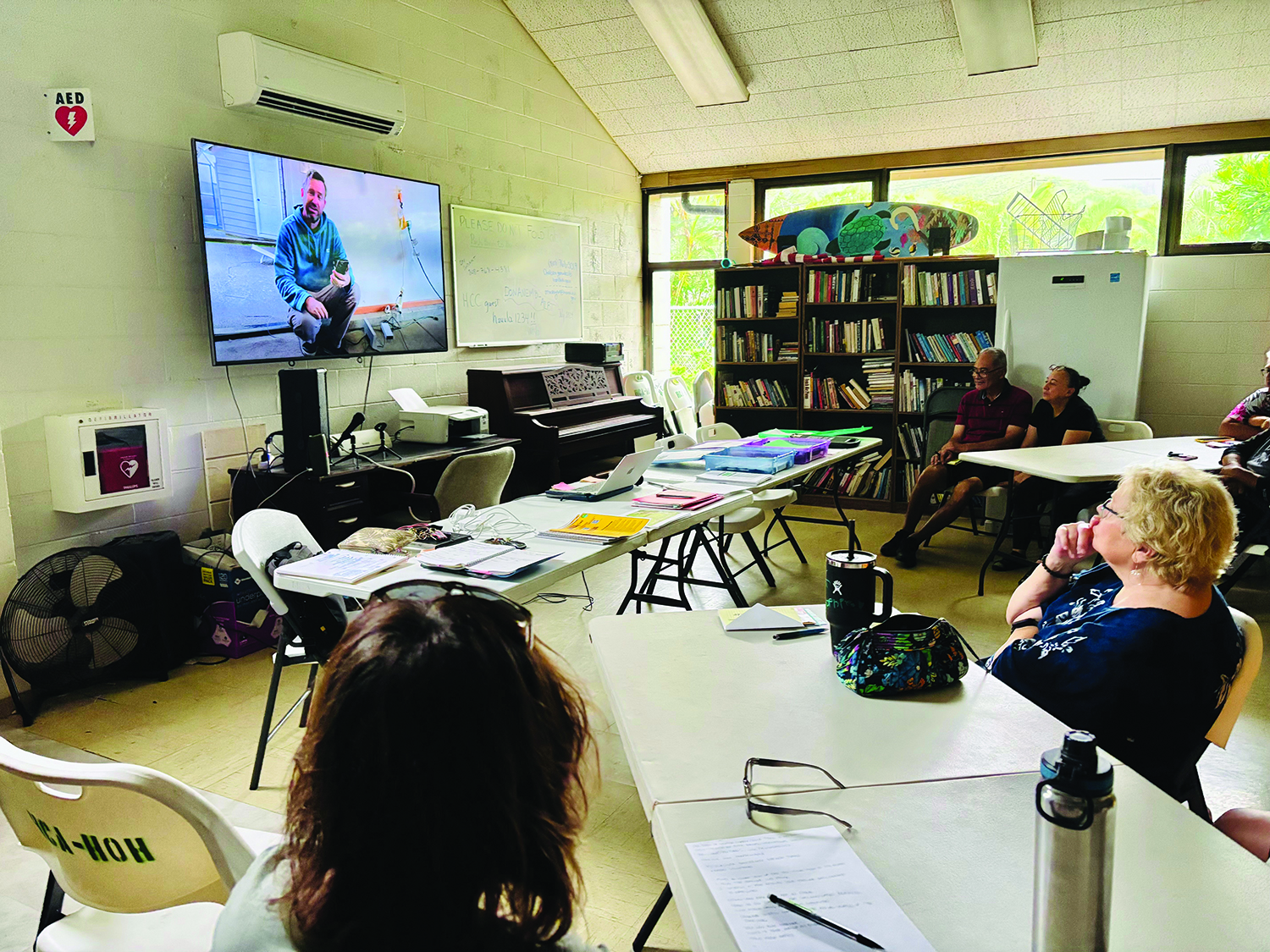
    The complex is developing an emergency plan with help from neighbors, local community groups and an AARP Community Challenge grant.

    The grant helped the neighboring Hui O Hau‘ula community organization purchase satellite internet system communication devices that provide internet to populations with little or no connectivity. The grant also provided training on emergency preparedness, and the use of Wi-Fi and the internet during a disaster to the Hau‘ula community and neighboring valleys in Northwest O‘ahu.

    Hui O Hau‘ula President Dotty Kelly-Paddock notes that the communities between Ka‘a‘awa and Kahuku could be cut off if Kamehameha Highway is damaged in a disaster. She used the AARP grant to buy three internet devices. She used a grant from the Castle Foundation to buy two more devices for all of the Ko‘olauloa communities in Northeast O‘ahu, and helped Lane and other community activists get training so they could help organize their neighbors to become disaster resilient and prepare for emergencies.

    Lane is organizing meetings with residents, the Kahuku Community Association, churches and other neighbors.

    “You have to be really resilient to live on the North Shore of O‘ahu,” Evelyn says, adding that internet system and the disaster resilience plan “are going to be a real benefit to our community.”

    As hurricane season approaches in June, AARP Hawai‘i encourages you and your family to have a personal disaster plan in place — especially if you are a kupuna or a caregiver for one. AARP also encourages community leaders to talk to neighbors about creating a disaster resilience plan so everyone can know what to do before the next one strikes. For more information, search online: “AARP How to Prepare for Natural Disasters” and “AARP Disaster Resilience Tool Kit.”

    AARP HAWAI‘I (nonprofit)
    1001 Bishop St., Ste. 625, Honolulu, HI 96813
    866-295-7282 | hiaarp@aarp.org | aarp.org/hi
    facebook.com/aarphawaii

    Even before the Lahaina fire of August, 2023, Evelyn Lane, 67, was concerned about what would happen if a natural disaster struck the Kahuku Elderly Hauoli Hale senior and disabled low-income housing project that she lives in. Who will help them if a fire broke out in the forested area near the complex? What if…

  • AARP Honorees

    The Feeding Our Keiki and Kupuna program by the Peace Committee of the Honoka‘a Hongwanji began as an effort to feed about two dozen children in a small Hawai‘i Island town.

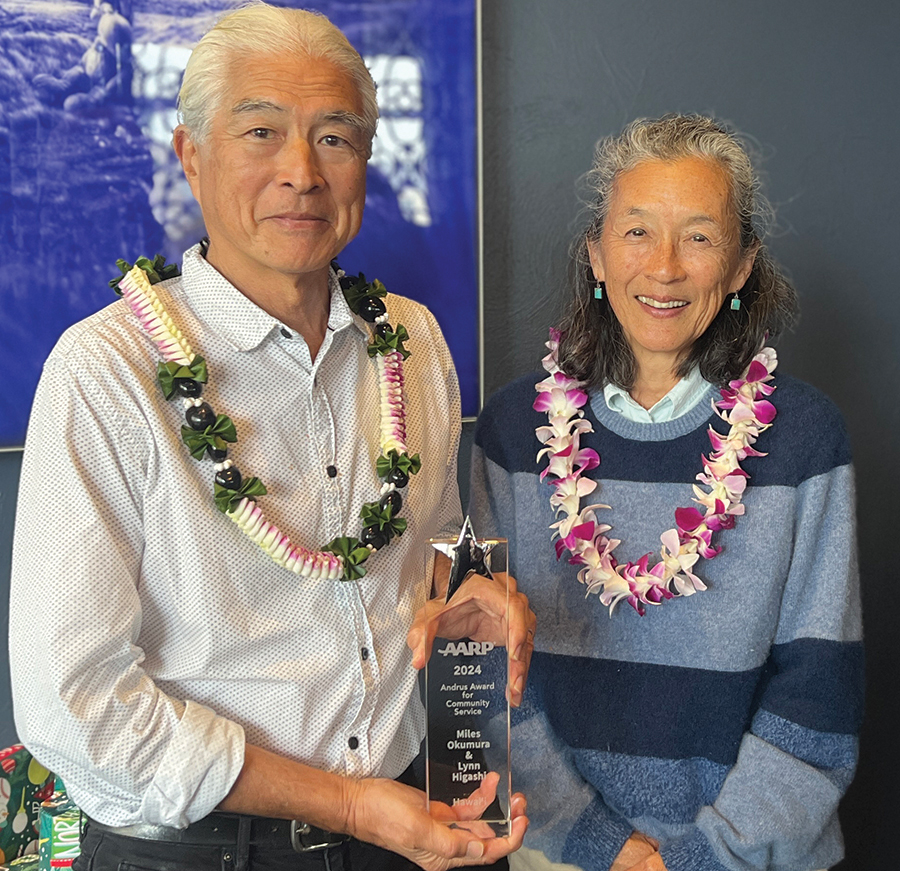
    Miles Okumura and Lynn Higashi, retired attorneys, noticed children in their community who were going hungry.

    “We started off with the keiki and when someone pointed out that there are kūpuna in our neighborhood in a similar situation, we added them to our program — and then we added the grocery bags,” says Miles.

    From feeding a few children in the temple’s basement more than five years ago, the program has expanded into a community effort with more than 150 volunteers packing grocery bags and preparing meals for about 550 people a week, including food deliveries to kūpuna who are shut-in and isolated.

    AARP Hawai‘i has recognized Miles and Lynn for their outstanding contributions to their community with its top honor for kūpuna volunteers, the 2024 Andrus Award for Community Service and a $1,000 donation to a charity of their choice. Recipients are recognized as examples for others to follow.


    AARP HAWAI‘I (nonprofit)
    1001 Bishop St., Ste. 625, Honolulu, HI 96813
    808-545-6000 | hiaarp@aarp.org | aarp.org/hi
    facebook.com/aarphawaii
    2025 Andrus Award: aarp.org/andrus

    The Feeding Our Keiki and Kupuna program by the Peace Committee of the Honoka‘a Hongwanji began as an effort to feed about two dozen children in a small Hawai‘i Island town. Miles Okumura and Lynn Higashi, retired attorneys, noticed children in their community who were going hungry. “We started off with the keiki and when…

  • Caregivers Need Paid Family Leave

    Lenore from Kāne‘ohe fears that one day she must choose between caring for her mother and her job and financial security. “There will come a time when Mom needs more care and supervision and it is costly to hire help,” she told us.

    Unfortunately, this is a corner that many Hawai‘i residents are backed into. That’s why AARP Hawai‘i is fighting to improve paid family leave policies in our state.

    Older voters overwhelmingly support paid family leave. An AARP Hawai‘i poll found 88% of voters 50 and older support paid family leave and more than half would vote for a candidate who supported paid family leave.

    The poll also found strong support for other programs to help family caregivers: 56% do not believe government is doing enough to help family caregivers; 84% support increased funding for home-and-community-based services to help families keep loved ones at home as they age; and 89% support a limited state income tax credit to offset the expenses of family caregivers.

    Family caregivers are the front line of defense in keeping their older loved ones living at home — where most seniors want to be — and not in costly nursing homes.

    Across Hawai‘i, unpaid family caregivers provide critical assistance to help their older parents, spouses and other loved ones live independently in their homes. Most of these caregivers also juggle full- or part-time jobs.

    Paid family leave not only benefits those who take care of kūpuna, but also benefits parents caring for keiki
    and a growing segment of the population who care for both children and parents. Those “sandwich generation” caregivers are under enough stress without the fear of losing their job or their wages.

    An estimated 154,000 family caregivers in Hawai‘i contribute more than 144 million hours of unpaid care each year, valued at approximately $2.6 billion. They help older loved ones with medications and medical care, bathing and dressing, meals, chores and much more, saving the state and taxpayers in Medicaid expenditures if loved ones were in expensive nursing homes.

    Paid family leave would also benefit employers because it increases employee loyalty and retention, and saves money by avoiding the cost of separation, recruiting, hiring and training. AARP Hawai‘i and other pro-family organizations are pushing for paid family leave and other bills to help caregivers.

    If you want to lend your voice to help, contact AARP Hawai‘i Advocacy Director Audrey Suga-Nakagawa at asuganakagawa@aarp.org.

    AARP HAWAI‘I (nonprofit)
    1001 Bishop St., #625, Honolulu, HI 96813
    808-545-6000 | hiaarp@aarp.org | aarp.org/hi
    AARP is a non-partisan organization dedicated to empowering Americans 50 and older to choose how they live as they age.

    Lenore from Kāne‘ohe fears that one day she must choose between caring for her mother and her job and financial security. “There will come a time when Mom needs more care and supervision and it is costly to hire help,” she told us. Unfortunately, this is a corner that many Hawai‘i residents are backed into.…

  • Medicare Drug Costs Capped for Kūpuna

    Maui resident Susan Baylosis and her mother both use Medicare Part D insurance to pay for their medicines.

    So far, their co-payments have been manageable. They haven’t had to take expensive brand-name prescription drugs.

    But Susan, an advocate for caregivers, knows that a catastrophic illness like cancer could be financially devastating even with insurance.

    “The everyday person doesn’t want to think about it,” she says. “If I had to pay for expensive medications, I would have to find ways to cut down on other expenses, like food or gas. The average person doesn’t make that kind of money.”

    Starting next year, a new law will cap Medicare prescription drug plan out-of-pocket expenses at $2,000. Hawai‘i’s 167,422 Part D Medicare beneficiaries will have the peace of mind of knowing that they won’t be forced to choose between paying for food and medicine or not taking medicines because of the high cost of prescription drugs.

    A recent AARP study estimates that 3.2 million older Americans, including more than one in 10 Hawai‘i kūpuna with Medicare drug plans, will see lower drug costs next year because of the cap. The average savings next year will be roughly $1,500 for kūpuna who hit the drug cap.

    By 2029, about 4.1 million people, roughly 9.6% of Medicare beneficiaries, will see savings. In Hawai’i the savings will help an estimated 24,437 kūpuna, or 13% of those with Part D drug plans who do not qualify for subsidies.

    Prior to the passing of this law, Part D plans did not have a limit on out-of-pocket spending.

    “AARP was instrumental in Congress passing the prescription drug law of 2022 to lower prices and out-of-pocket costs for Medicare enrollees,” AARP CEO Jo Ann Jenkins says. “As we approach January 2025, we want every senior in America to know that, thanks to the new annual cap which limits their out-of-pocket costs, they will have more money to invest in their families, spend on their broader health needs or simply save to achieve greater financial stability.”

    Since Medicare Open Enrollment is in effect until Dec. 7, Medicare beneficiaries should review their Part D drug plans for changes resulting from the new law and shop around.

    The Hawai‘i State Health Insurance Assistance Program (SHIP) is a free service that can help answer questions about Medicare enrollment. Go to hawaiiship.org, or call the Hawai‘i SHIP Helpline at 808-586-7299 or toll-free at 1-888-875-9229.

    AARP HAWAII (nonprofit)
    1001 Bishop St., #625, Honolulu, HI 96813
    808-545-6000 | hiaarp@aarp.org | aarp.org/hi
    AARP is a non-partisan organization dedicated to empowering Americans 50 and older to choose how they live as they age.

    Maui resident Susan Baylosis and her mother both use Medicare Part D insurance to pay for their medicines. So far, their co-payments have been manageable. They haven’t had to take expensive brand-name prescription drugs. But Susan, an advocate for caregivers, knows that a catastrophic illness like cancer could be financially devastating even with insurance. “The…

  • Support for Veterans Who Give/Receive Care

    Support for Veterans Who Give/Receive Care

    Help is available for veterans who have served our country and who now need assistance with caregiving — either as a caregiver or someone who needs care.

    However, many veterans are not aware of the services available to them, a new AARP survey of veterans 45 and older reveals.

    About half of those surveyed said they currently provide care for an adult loved one, relative or friend, or have done so in the past. But 60% did not know that the US Department of Veterans Affairs (VA) offers grants for home modification. The survey also found that nearly half (46%) need bathroom modifications in order to age in place themselves or to provide care for a loved one in their home.

    That’s why AARP has two guides available for veterans and caregivers of veterans:

    1. A new Veterans Home Modification Benefits Guide helps veterans navigate the VA’s $150 million program to help buy, build or modify a home to support long-term needs. Grants can help eligible veterans with up to $117,000 to pay for renovations, such as adding grab bars in bathrooms, installing ramps or widening doorways.
    2. The AARP Military Caregiving Guide provides basic tips to help families through the caregiving journey and has tips and details of other VA caregiving programs.

    Tips for military caregivers:

    • Talk about the medical and emotional needs of wounded warriors and caregivers of veterans.
    • Create a support system of family, friends and colleagues. You can’t be a caregiver by yourself.
    • Create a plan that enables you to respond to specific needs as they arise.
    • Seek professional support for information and resources from those with experience with military or veteran caregivers.
    • Care for yourself so you can sustain your energy and maintain your own health.

    RESOURCES

    Military Caregiving Guide:
    aarp.org/content/dam/aarp/caregiving/pdf/family-caregiving-guide/military-veterans.pdf
    Veterans Home Modification Benefits Guide:
    aarp.org/home-family/voices/veterans/info-2024/military-home-benefit-guide.html
    Military Financial Workbook:
    aarp.org/content/dam/aarp/caregiving/pdf/2022/aarp-military-financial-workbook.pdf
    AARP Information for Veterans:
    aarp.org/veterans

    AARP HAWAI‘I (nonprofit)
    1001 Bishop St., #625, Honolulu, HI 96813
    808-545-6000 | hiaarp@aarp.org | aarp.org/hi
    AARP is a non-partisan organization dedicated to empowering Americans 50 and older to choose how they live as they age.

    Help is available for veterans who have served our country and who now need assistance with caregiving — either as a caregiver or someone who needs care. However, many veterans are not aware of the services available to them, a new AARP survey of veterans 45 and older reveals. About half of those surveyed said…