Debra Lordan, GM Senior Editor

  • VoTech Program Opens Career Doors

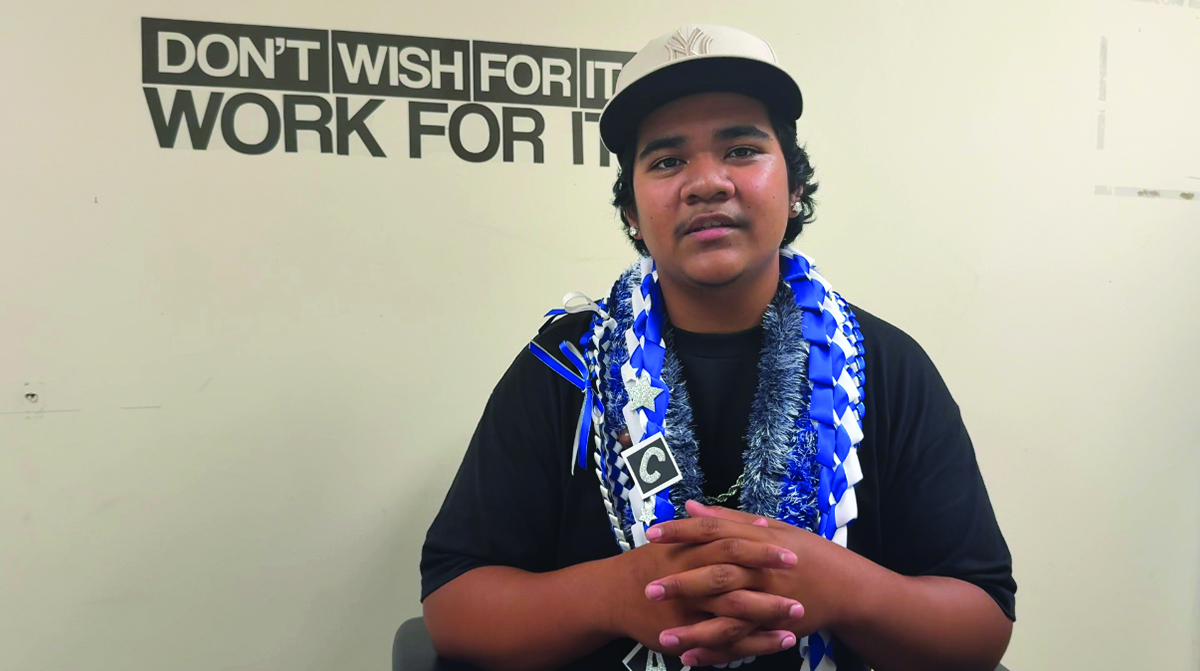
    “They helped me see bigger opportunities,” says Chasthan Hernandez, a 2025 graduate of a Maui vocational technology awareness program that helps qualifying high school students gain high-demand skills in the facilities maintenance and engineering trades.

    The Tradewinds VoTech awareness initiative offers
    learning in a practical setting, where students can gain
    real-world skills that are in high demand on Maui.

    For high school seniors who are not college-bound, the nonprofit Maui Facilities and Engineering Leadership Council (MFELC), comprised of members of the island’s major firms and businesses, offers another pathway to success. In this cross-generational education program, working and retired senior volunteers pass their knowledge about the trades to the next generation, helping to build careers through mentorship with qualifying high school seniors through communication, collaboration and education. A very impactful part of this program is the life experience and wisdom imparted by the instructors.

    The State of Hawai‘i Alternative Learning Programs, Services and Supports (ALPPS) program and the Baldwin-Kekaulike-Kulanihakoi-Maui Complex Area developed a hands-on learning experience tailored to graduating seniors who qualify and enroll in the program. The Tradewinds VoTech awareness initiative is a win-win for students and the community by giving students meaningful pathways to immediate, stable careers while closing the skilled worker gap and helping to ensure Maui’s continued growth and prosperity. The program offers avenues to paid training in construction, tools, blueprints and engineering skills, especially for wildfire survivors, graduates and returning residents to rebuild the island’s infrastructure and economy.

    Chasthan Hernandez

    Students will gain real-world, practical insights into Maui’s skilled trades, including plumbing, carpentry, electrical work, HVAC and more. Each module builds upon the last, offering students a deeper understanding of how these vital trades are interconnected and essential to Maui’s success. “Our goal is to provide graduating students with an awareness of how, with just a high school degree, they can access immediate opportunities for careers offering salaries that rival and in some cases exceed those of college graduates right here on Maui,” says MFELC Executive Director Rich Sato. “We’re here to open doors to career possibilities that many students may not have known existed.”

    Plans are also in the works to launch an online platform to engage more retirees. “We will match retired, skilled trades professionals with opportunities to put their skills to use—at their convenience—to help our member facilities augment their dwindling full-time—and in many cases overworked—teams,” says Rich. They are currently beta-trialing the platform and look to launch it in the first quarter of 2026.

    If your teen is not headed for college, help him or her find an alternate pathway to success on Maui. Businesses and retired seniors who are looking to re-engage and can offer their mentorship are also welcome to contact MFELC using the contact information below.


    MAUI FACILITIES AND ENGINEERING LEADERSHIP COUNCIL (nonprofit)
    95 Mahalani St, Ste. 28-4, Wailuku, HI 96793
    808-874-7400 | mauifelc@gmail.com
    mfelc.org

    “They helped me see bigger opportunities,” says Chasthan Hernandez, a 2025 graduate of a Maui vocational technology awareness program that helps qualifying high school students gain high-demand skills in the facilities maintenance and engineering trades. For high school seniors who are not college-bound, the nonprofit Maui Facilities and Engineering Leadership Council (MFELC), comprised of members…

  • Her Handi-Van Heroes

    Not all heroes wear capes. In fact, many go unnoticed, with their efforts sometimes taken for granted. These “unsung heroes” are a model of compassion who contribute valuable, often challenging work without receiving recognition or praise for their efforts. But once in a while, a recipient of their kindness steps up to sing their praises. O‘ahu resident Diane Wright contacted us to help her make that happen.

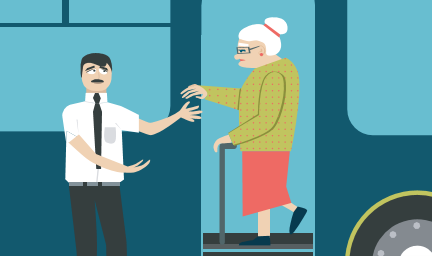
    “TheHandi-Van drivers do more on the van for passengers than most people know,” says Diane. “They work hard and do it with compassion and care.”

    “They are well trained,” says Diane. “The nice, friendly drivers greet you when you get onboard, then, if the van is full, the driver helps to space the people apart in the van so we can all fit. They move around a lot to help the passengers, buckling wheelchairs to the floor and strapping in rollators and walkers. They even help seatbelt you in, if you need.”

    When the passengers disembark, the driver unbuckles each rider and helps them to the exit lift, lowering the lift so they can get out easily. “The drivers always say a friendly ‘have a nice day’ when we leave,” adds Diane.

    “TheHandi-Van drivers have a lot of compassion and patience, so I thought I’d tell others about them,” says Diane. “I admire them. Thank you to all hard-working Handi-Van drivers who show compassion every day!


    To share your story of gratitude for possible publication, email the editor at debra@generations808.com.

    Not all heroes wear capes. In fact, many go unnoticed, with their efforts sometimes taken for granted. These “unsung heroes” are a model of compassion who contribute valuable, often challenging work without receiving recognition or praise for their efforts. But once in a while, a recipient of their kindness steps up to sing their praises.…

  • Hope for the Future

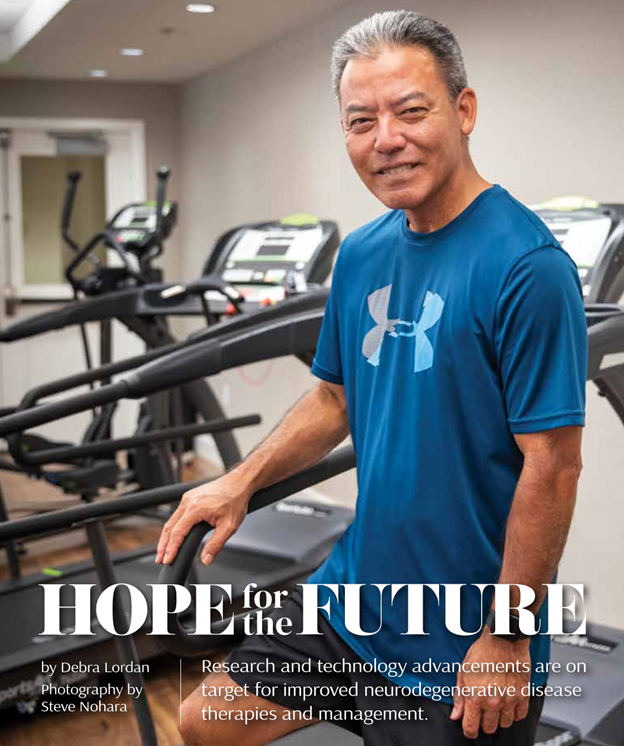
    Glen Higa of Kalihi has much in common with Michael J. Fox. Like the “Back to the Future” star, he faces his challenges with gratitude and optimism, focusing on finding meaning in the face of adversity. Like Michael, he emphasizes that challenges don’t define a person—their actions do. He believes in the power of acceptance and the importance of making the best of a difficult situation. Like Michael, he has dedicated himself to making a profound difference in the lives of those affected by a debilitating condition.

    In 1998, Michael J. Fox stunned the world by announcing he had been diagnosed with young-onset Parkinson’s disease (PD), also called early-onset Parkinson’s—a degenerative neurological condition. He was diagnosed in 1991 at age 29, but had kept it a secret for seven years.

    His memoirs chronicle his Parkinson’s journey and his advocacy work. “Lucky Man,” “Always Looking Up,” “No Time Like the Future” and “A Funny Thing Happened on the Way to the Future” describe what it’s like to be a 30-year-old who has been told he has an 80-year-old’s disease. He shares an inspiring account of his experiences and the lessons he has learned.

    Before his diagnosis, the aspiring young actor envisioned a future centered on a flourishing career and family life. PD prompted a paradigm shift, leading him to prioritize the here and now. He established the Michael J. Fox Foundation (MFF) for Parkinson’s Research in 2000, which has become the axis around which his life revolves. The foundation is the driving force and primary focus of his existence and aspirations for the future.

    Glen’s Life Transformation

    “I was diagnosed seven years ago in 2018 at the age of 48, though looking back, I had developed symptoms over five years before,” says Glen, now 55. “Six months after my diagnosis, I left my longtime career as a sales and marketing executive to focus on my health.”

    Glen’s proactive attitude is key to successfully managing PD. “I started working with a personal trainer a year after I was diagnosed and it transformed my life,” says Glen. “I did so well with my exercise therapy that I resumed playing softball.” Since being diagnosed, he has participated in the Los Angeles Dodgers Adult Baseball Camp and continues to play competitive softball.

    Ultimately, Glen turned his own therapy into a new career by becoming a personal trainer three years after being diagnosed, working exclusively with people who have Parkinson’s.

    What is Parkinson’s Disease?

    PD is the fastest growing neurodegenerative disease in the world. Nearly 1 million people in the US and more than 6 million people worldwide are affected. PD occurs when brain cells that make dopamine, a chemical that coordinates movement, stop working or die, according to michaeljfox.org, an informational website Glen recommends highly. This “movement disorder” can cause tremor, slowness, stiffness, and walking and balance problems. Constipation, depression, memory problems and other non-movement symptoms can also surface as symptoms.

    PD is a lifelong progressive disease—symptoms slowly worsen over time. But the experience of living with PD is unique to each person. As symptoms and progression vary from person to person, neither you nor your doctor can predict which symptoms you will get, when you will get them or how severe they will be. Even though similarities are observed among individuals with PD as the disease progresses, there is no guarantee you will experience what you see in others.

    What is Early-Onset PD?

    According to Fox’s website, about 10% to 20% of people with PD experience symptoms before age 50. While treatments are the same for early-onset Parkinson’s disease (EOPD), younger people may experience the disease differently.

    People with EOPD may have a longer journey to diagnosis, sometimes seeing multiple doctors and undergoing several tests before reaching a correct conclusion. As with PD diagnosed later in life, EOPD is diagnosed based on a person’s medical history and physical examination.

    When younger people and their clinicians are not expecting PD, the diagnosis may be missed or delayed. It’s not uncommon for arm or shoulder stiffness to be attributed to arthritis or even a sports injury before PD is eventually diagnosed. Scientists are working to understand the causes of early-onset Parkinson’s.

    What is Wrong With Me?

    Glen describes his initial suspicions and symptoms that led him to seek medical intervention.

    “My girlfriend and I would walk daily around Diamond Head after work and she noticed I stopped swinging my arms and that I shuffled my feet while walking,” says Glen. “My legs started to feel heavy. Soon after, I started experiencing shoulder and neck stiffness and a tremor in my left hand. But an official diagnosis wouldn’t come until more than two years later.”

    “My first thought after the EOPD diagnosis was a sense of relief,” says Glen. “Honestly! I didn’t know what was going on in my head—if I had a stroke, tumor, aneurysm or something else!

    “I was seeing a physical therapist who told me I was showing symptoms of Parkinson’s, but I guess I didn’t take his comments seriously at first. But when my neurologist told me I could still live a good life with Parkinson’s, she eased my mind and I was ready to do what I had to do to achieve that good life.”

    “Most of my friends, family and coworkers noticed something was not right before I was diagnosed,” Glen adds. “So I told everyone about it and didn’t try to hide it from anyone. Almost everyone reacted positively and said they were ready to help when needed. Being supportive and showing empathy— but not sympathy— go a
    long way.”

    ‘You can live your best life.’

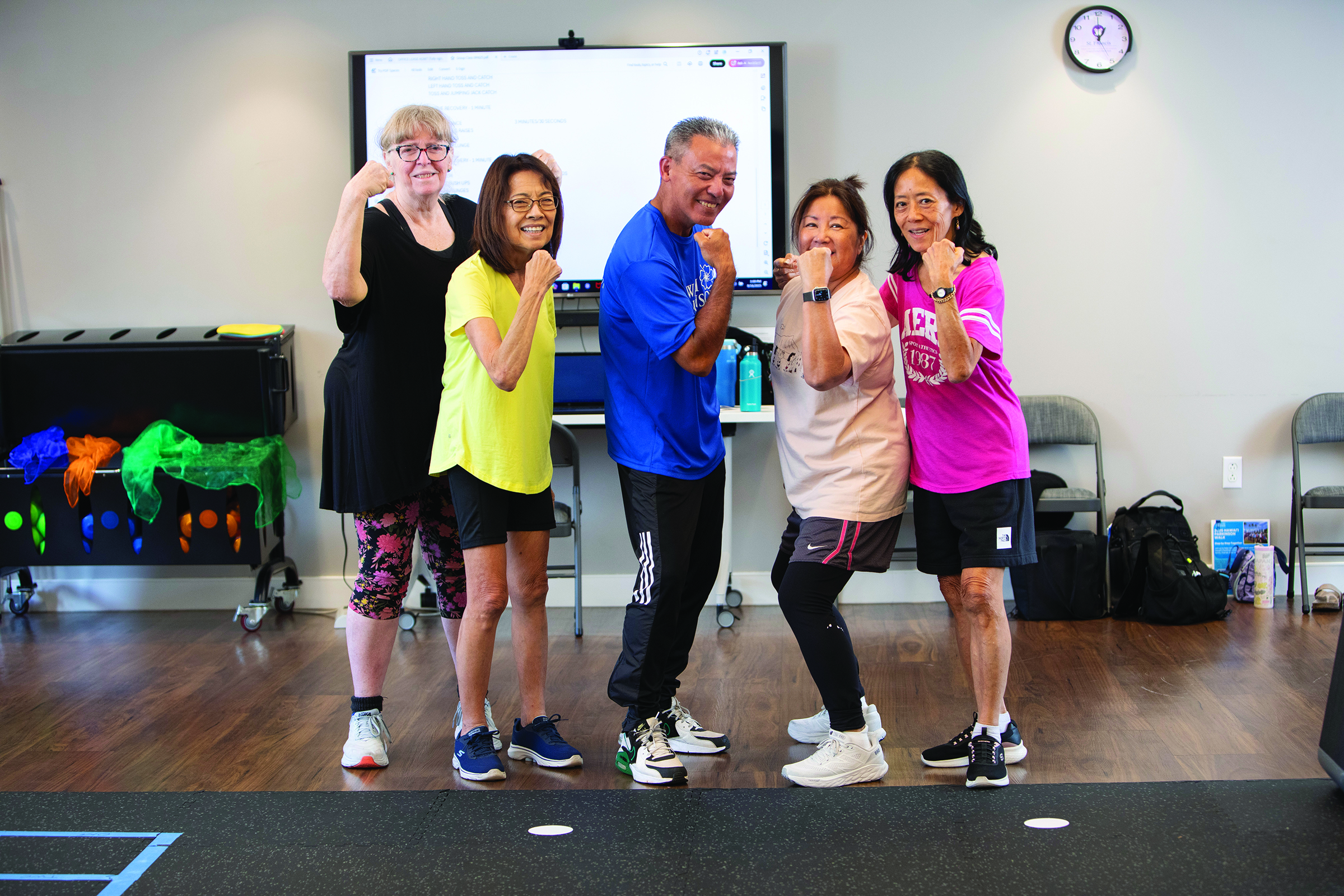
    Glen first became involved with Hawai‘i Parkinson’s Association (HPA) in 2019, serving in a marketing and administrative support role. HPA, established in 1996, is a nonprofit volunteer group comprised of people with PD, caregivers, family members, healthcare professionals, educators and leaders in the business community. HPA aims to positively impact the lives of people affected by Parkinson’s through support, programs, education and other valuable services.

    “The reason why I ran for president was to show those diagnosed with EOPD and those who are living with PD to not be afraid of the condition,” says Glen. “I wanted to spread the message that you can live your best life with PD and dispel the myths believed by people who are not familiar with Parkinson’s. It is not terminal. I also want to show everyone that people with Parkinson’s are abled and not disabled. While there is no cure and it is not a fun existence, you can still live a good life and do things that others do.”

    Glen’s focus as the current president is to continue engaging the Parkinson’s community through his position as a “local boy” with Parkinson’s and encourage others there is HOPE—Healthy Overcomes Parkinson’s Everyday.

    “As president of HPA, I focus on reducing the perceived stigma of PD,” says Glen. “While there is more awareness and people are more open about their diagnosis, there are still too many unwilling to disclose their condition out of fear, shame or guilt… Especially difficult to reach groups are those with EOPD, Asians (particularly males), Native Hawaiians, Polynesians and those who are economically disadvantaged.”

    As an EOPD patient and HPA president, Glen offers recommendations for those who are diagnosed with PD.

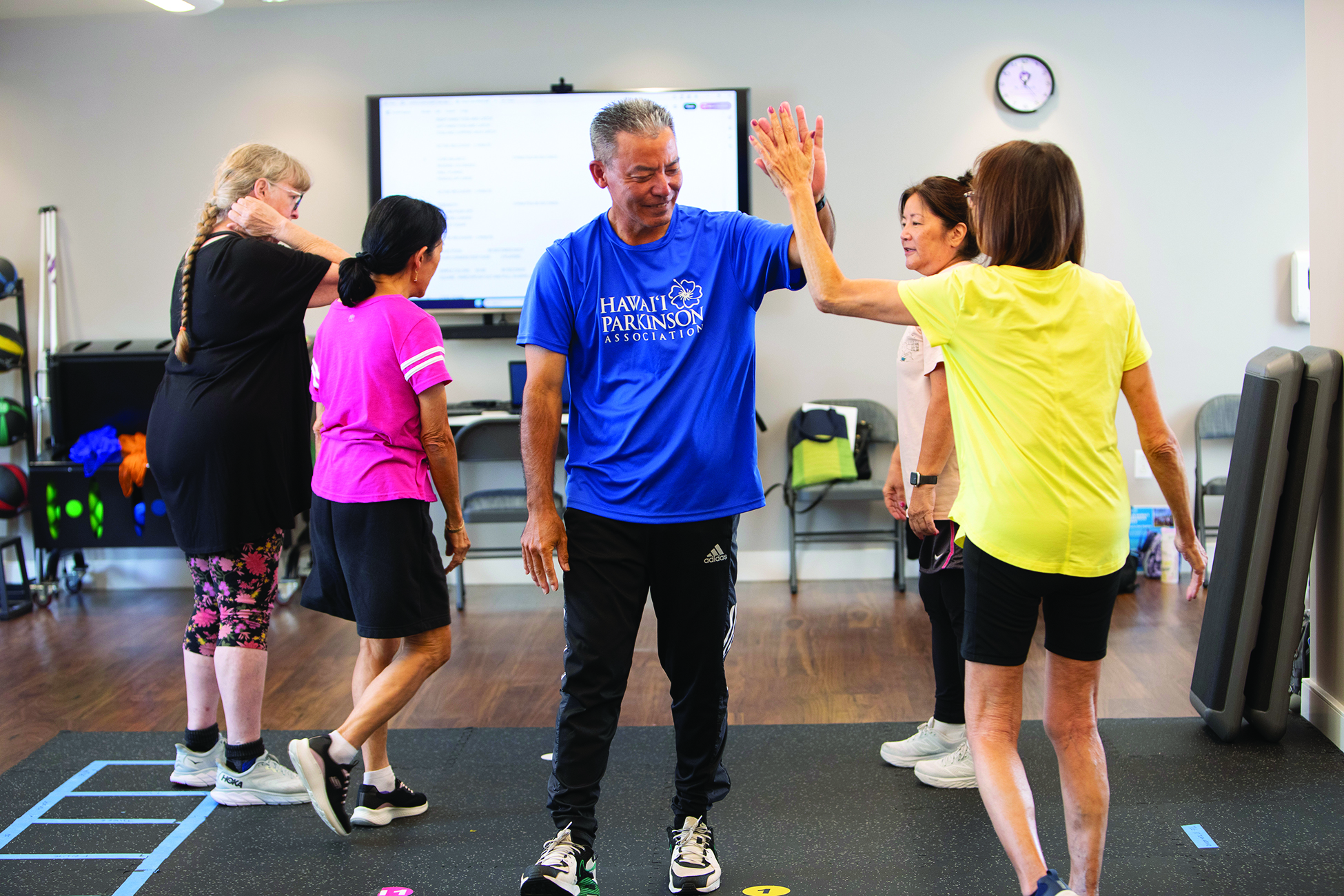
    “The first step is to join a support group,” he says. “We consider that the first line of defense against PD. Even if you haven’t accepted your diagnosis, support groups provide the opportunity to learn and share best practices with others who are also battling the condition. The second step is exercise—which is the only therapy scientifically proven to slow down or even delay the progression of Parkinson’s. While there are many theories on what type of exercise is best, my advice as a personal trainer is to find the exercise you enjoy most so that you will do it every day.”

    ‘Why me?’

    Who gets PD and why remains unknown, however, the risk of developing PD is higher for individuals with a family history of the disease, those exposed to certain environmental toxins and those with specific genetic mutations.

    “Unfortunately, the science has not determined yet exactly what causes Parkinson’s aside from genetics and has not developed a cure, either,” says Glen. “There isn’t any confirmed information on PD prevention. Some thought has been given to getting regular exercise and eating a well-balanced diet, especially the Mediterranean diet, which has been linked to lower rates of PD. There’s also thought about limiting exposure to environmental toxins like pesticides, herbicides and air pollution to prevent PD.”

    According to michaeljfox.org, in most cases, the cause of PD is unknown. “Better understanding of the complex genetic, environmental, aging and other factors that lead to Parkinson’s would be game-changing in our pursuit of preventive and therapeutic treatment options,” the site says.

    However, the site goes on to detail possible factors. Although for most people, the cause of PD is unknown (idiopathic), researchers believe that PD is caused by a combination of factors.

    With genetic causes at one end and environmental causes at the other, people with PD fall at many different points along the continuum, with some cases due more to genetics, while others are more influenced by environmental factors.

    “Scientists are working hard to understand the triggers and the cascade of cellular changes that lead to Parkinson’s. Knowing more about the cause could help researchers develop treatments to stop or even prevent the disease.”

    ■ Genetics: About 30% of PD risk is explained by genetics. Less than 10% of this risk has been explained by known genetic links, so more PD genes have yet to be discovered. A handful of causal PD genes have been identified in the past 10 years, where genetic mutations greatly increase risk. But not everyone who carries these mutations will get PD, so other factors must play a role.

    ■ Environment: Head injury and exposure to pesticides have also been identified as factors. Several studies have linked smoking and caffeine consumption to lower rates of PD. “While we do not recommend smoking to prevent PD, understanding these connections can help guide research into the mechanisms and treatment…,” the MFF site says.

    ■ Aging: Age is the greatest risk factor because our cells may be more susceptible to damage as they age. Researchers project the number of people with PD will double by 2040. In addition, the expression of our genes may change over time, which could set off a chain of cellular events that lead to PD.

    ■ Combination of Factors: Genetics, environment and aging interact to cause disease. Not everyone with a genetic mutation linked to PD will develop the disease. Similarly, not everyone exposed to a pesticide will be diagnosed. Research into these different triggers continues aggressively every day, including biological/cellular changes.

    Hope for the Future

    There is significant hope for the future for people with neurodegenerative conditions such as PD. Research is advancing on several fronts. And although there is no simple solution in dealing with a life-changing PD diagnosis, the good news is that most people find acceptance and quality of life after an initial adjustment period.

    “I’m more aware of the future now,” says Glen. “Previously, I lived in the moment, thinking only about the present. Now, I think about the future and how my actions now will impact my future. For instance, my personal goal is to never use a mobility device. To accomplish this, I need to consistently exercise and take care of my body and mind. I am living my best life with Parkinson’s by adhering to these simple rules: 1) Be on the right medication plan, which means being open and upfront with my neurologist. 2) You need to exercise. The best exercise is one that you enjoy and will do daily. 3) Finally, having a positive attitude is everything, but if you don’t feel good mentally and physically, it’s hard to have a positive attitude. That’s why being on the right medication plan and daily exercise is so important.”

    Glen is a certified fitness professional, working with patients with Parkinson’s as a way to help others live their best lives. He offers Make It Happen Personal Training.

    Contact Glen at
    808-348-2767, makeithappen@glenhiga.com or
    parkinsonshawaii.org/exercise-classes.

    For an in-depth guide to navigating PD and living well as the disease progresses, check out the Michael Fox Foundation’s Parkinson’s 360 toolkit at michaeljfox.org/parkinsons-360.


    COMMON SYMPTOMS OF PD

    Tremors, bradykinesia (slow movements), muscle rigidity and a history of falling or losing your balance are among the most common symptoms. According to the Michael J. Fox Foundation, PD symptoms are different for different people and are difficult for even doctors to detect. Others are obvious, even to an untrained eye.

    Motor Symptoms

    Motor or movement symptoms seen “from the outside” are used by doctors to make a diagnosis. The three “cardinal” motor symptoms are:

    1) Muscle stiffness: rigidity
    2) Bradykinesia: a decrease in spontaneous and voluntary movement, such as slower walking, less arm swinging while walking, or decreased blinking or facial expression
    3) Resting tremor: a rhythmic, involuntary shaking that occurs in a finger, hand or limb when it’s relaxed, but not during voluntary movement

    Not everyone with PD experiences all three motor symptoms, but slowness always is present. And although tremor is the most common symptom, not everyone with PD experiences tremor.

    Other Motor Symptoms

    Walking, balance and coordination problems may occur any time in the course of PD, but are more likely as the disease advances.

    Non-Motor Symptoms

    Non-movement symptoms are invisible. You can’t see them from the outside. These common symptoms can affect almost every body system, occur any time in the course of disease (even before motor symptoms or diagnosis) and differ in severity per individual. Non-movement symptoms can significantly impact quality of life:

    Autonomic dysfunction: PD can affect the automatic/involuntary functions that our bodies perform: constipation, low blood pressure, sexual problems, sweating problems and urine problems.

    Mood and cognitive changes: PD can impact how you feel and think, causing apathy, memoryor thinking (cognitive) problems, mood disturbances, and hallucinations and delusions.

    Other physical changes: PD can cause drooling, excessive daytime sleepiness or fatigue, pain, skin changes, sleep problems, smell loss, speech problems, swallowing problems, vision changes and weight changes.

    The Fox website (michaeljfox.org) recommends visiting a movement disorder specialist if you think you’re experiencing PD symptoms. Talk to your doctor, especially if what you are experiencing is interfering with activities you want or need to do.

    For example, slowness of movement might make exercise more challenging or fatigue might make your workday less productive. Keep in mind that even if you have symptoms common among people with PD, they may be brought on by a completely different condition altogether.


    HOPE THROUGH SCIENCE

    Advanced & Emerging Treatments

    There is hope for people with neurodegenerative conditions such as PD and Alzheimer’s disease (AD), the most common form of dementia. Research is advancing on several fronts:

    Deep Brain Stimulation: DBS has long been used for movement problems associated with PD. Newer advancements, such as adaptive DBS, adjust electrical pulses in real-time based on brain signals, providing personalized and potentially more effective symptom control, including non-motor symptoms like mood and sleep dysfunction.

    Stem cell therapies: Aim to repair or replace damaged brain cells in PD and AD, with therapies showing promise in clinical trials.

    Gene therapies: Reprogram cells to stay healthy and function better, with therapies like AB-1005 (for PD) focusing on stimulating growth factors to minimize dopamine loss.

    Drug repurposing: Medications for other conditions, like epilepsy and diabetes, are being investigated for potential AD and PD treatment.

    Early Detection & Diagnosis

    Biomarkers: Advancements in identifying biomarkers for both PD and AD allow for earlier and more accurate diagnoses.

    Advanced imaging: PET scans and other imaging techniques are crucial for visualizing amyloid and tau deposits in the brain, aiding in both diagnosis and treatment monitoring.

    AI predictive models: New AI models can forecast brain aging, helping to identify subtle changes indicative of early neurodegenerative disease onset years before conventional methods.

    Disease Understanding & Prevention

    Genetic factors: Research into genetic variations helps identify individuals at higher risk and explore potential prevention and treatment strategies.

    Lifestyle interventions: Studies on lifestyle factors like exercise, diet (e.g., MIND and Mediterranean diets), and management of chronic conditions reveal potential to delay or prevent symptoms.

    Improved Care & Support

    Personalized medicine: Tailoring treatments based on an individual’s genetic profile and biomarkers holds promise for improving outcomes and minimizing side effects.

    Caregiver support: Research focuses on developing strategies to support caregivers and improve the quality of life for those with dementia. While significant challenges remain, particularly in halting disease progression, these developments, ongoing research, advanced diagnostic tools and emerging treatments hold promise for better care, improved quality of life and potentially slowing the diseases’ advancement for individuals living with PD and AD.

    This information was extracted and summarized from three 2025 research articles: “This New Treatment Can Adjust to Parkinson’s Symptoms in Real Time,” “Research on Alzheimer’s Disease and Related Dementias” and “Advancements in the treatment of Alzheimer’s disease: a comprehensive review.”


    The Power is Yours

    The Hawai‘i Parkinson Association (HPA) is a nonprofit, all-volunteer group comprised of people living with Parkinson’s disease (PD), caregivers, family members, healthcare professionals, educators and leaders in the business community. You, too, can become part of the solution through your volunteerism and/or donations. Donations directly benefit those living with PD and their caregivers in our island community.

    VOLUNTEER
    Go to parkinsonshawaii.org/get-involved and fill out a form to indicate your volunteer interests.

    DONATE
    As an independent nonprofit, all funds raised in Hawai‘i stay in Hawai‘i. Donations are accepted online at parkinsonshawaii.org/donate or donate by mail. Checks are payable to Hawai’i Parkinson Association and can be mailed to the address below. Donations are fully tax-deductible. Hawai‘i Parkinson Association Resource Center 2228 Liliha St., Ste. 206 | Honolulu, HI 96817

    HPA RESOURCE CENTER
    The HPA Resource Center is available to everyone in the community looking for information about Parkinson’s disease. HPA has information on doctors, clinical trials and support groups on O‘ahu, the Big Island, Maui and Kaua‘i.

    Medical specialists: parkinsonshawaii.org/medical-specialists
    Local clinical trials: hawaiineuroscience.com, 808-261-4476
    Online and in-person seminars: Experts offer information on many different topics. If you have a topic you’d like to suggest, contact HPA.
    Peer-to-peer connect: Whether you’re newly diagnosed, have had PD for a while, or are a caregiver or family member, HPA can connect you via phone or email to one of its volunteers.
    Support groups: parkinsonshawaii.org/support-groups: Support groups are a great way to make connections with other people with PD and their caregivers/partners and share experiences on living well with Parkinson’s.
    Books, brochures & flyers are available from various PD organizations with information about symptom management, medical and complementary therapies, and adaptive equipment.
    Lending library: The center houses a growing library of books to borrow at no cost. Stop by or contact HPA for a list of available books. Reserve a book for pickup or donate a book that you’d like to share with others.
    Exercise classes: parkinsonshawaii.org/exercise-classes: Exercising is a very important part of managing PD. HPA can give you information about the people and places who can modify their classes for PD. From yoga to boxing, there is something available for you.
    Assistive technology:
    – Soderholm Mobility: soderholmmobility.com, denise@soderholmbus.com, 808-834-1417
    – Assistive Technology Resource Centers of Hawaii: atrc.org, 808 -532-7112
    – Complementary therapies: parkinsonshawaii.org/complementary-therapies


    HAWAI‘I PARKINSON ASSOCIATION (nonprofit)
    Glen M. Higa, President
    808-348-2767 | president@parkinsonshawaii.org
    Resource Center:
    808-762-0600 | info@parkinsonshawaii.org
    parkinsonshawaii.org
    The medical information contained in this article is for general information purposes only. The Michael J. Fox Foundation for Parkinson’s Research has a policy of refraining from advocating, endorsing or promoting any drug therapy, course of treatment, or specific company or institution. It is crucial that care and treatment decisions related to Parkinson’s disease and any other medical condition be made in consultation with a physician or other qualified medical professional.


    Glen Higa of Kalihi has much in common with Michael J. Fox. Like the “Back to the Future” star, he faces his challenges with gratitude and optimism, focusing on finding meaning in the face of adversity. Like Michael, he emphasizes that challenges don’t define a person—their actions do. He believes in the power of acceptance…

  • Balance: Body, Mind & Spirit

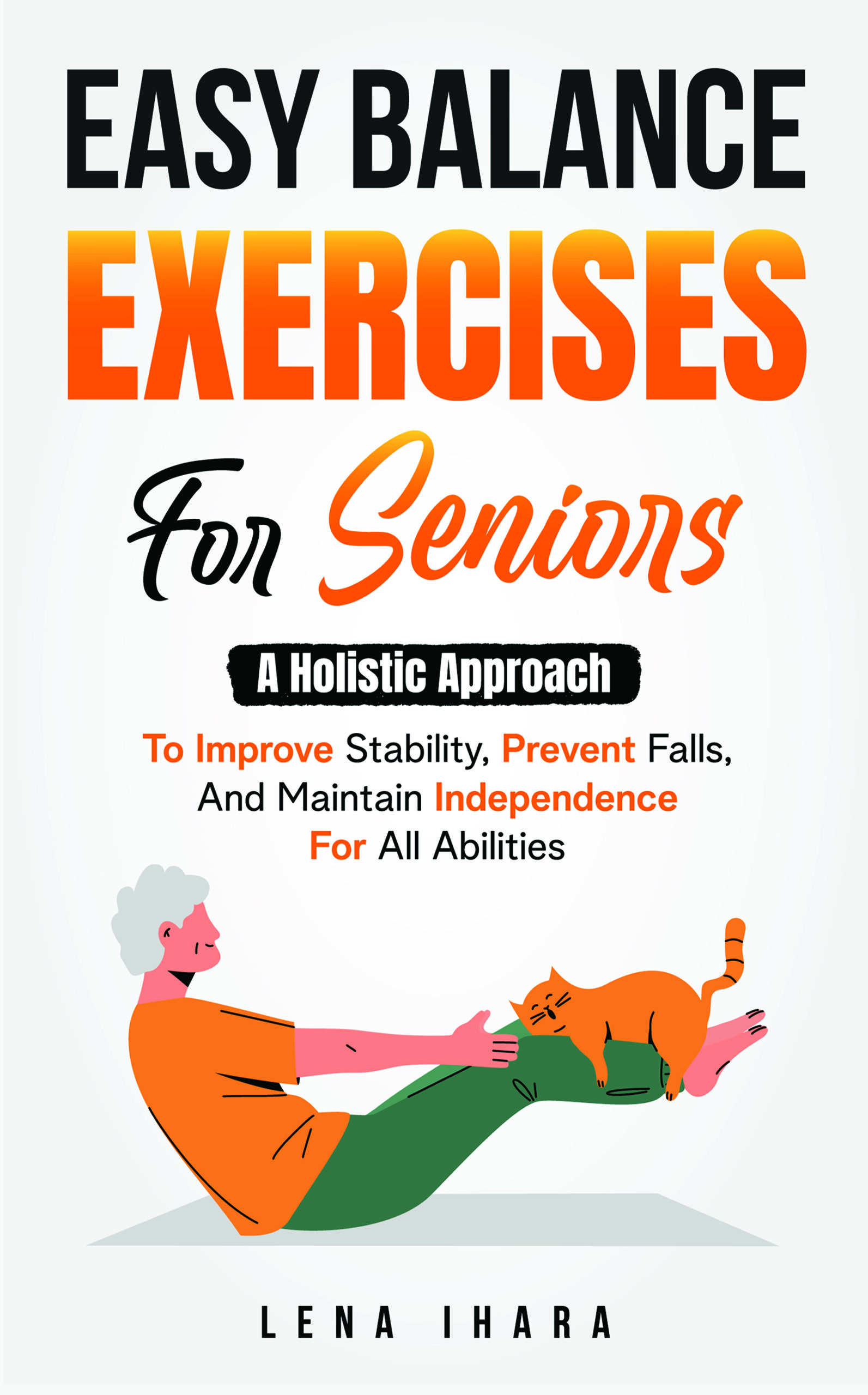
    Easy Balance Exercises for Seniors, A Holistic Approach to Improve Stability, Prevent Falls and Maintain Independence for All Abilities was written by Lena Ihara, a Maui-born actor, retired teacher and wellness educator.

    Lena acknowledges that as we age, “movements that were once automatic begin to slow down and feel uncertain. We may lose balance but we can rebuild with determination.”

    Lena knows how determination can affect change. After she was injured in a bicycle accident in 2020, she wrote this book as part of her come-back story and mission to affect a positive change in the world. Her book is based on the belief that everyone deserves to feel steady, confident and free in their body—regardless of age or ability. If you’re looking to regain your footing after a fall, maintain your independence or simply move with more ease, this book aims to support you with compassion, encouragement and practical tools.

    But you’ll find more than exercises—you’ll discover a holistic approach to balance that connects the body, mind and spirit.

    Throughout the book, Lena encourages you through moments of doubt and guides you toward a more balanced, empowered life.

    EASY BALANCE EXERCISES FOR SENIORS
    by Lena Ihara, is available in paperback and Kindle formats from Amazon.
    amzn.to/4k9ruA3

    Easy Balance Exercises for Seniors, A Holistic Approach to Improve Stability, Prevent Falls and Maintain Independence for All Abilities was written by Lena Ihara, a Maui-born actor, retired teacher and wellness educator. Lena acknowledges that as we age, “movements that were once automatic begin to slow down and feel uncertain. We may lose balance but…

  • GM Celebrates Our No.1 Fan

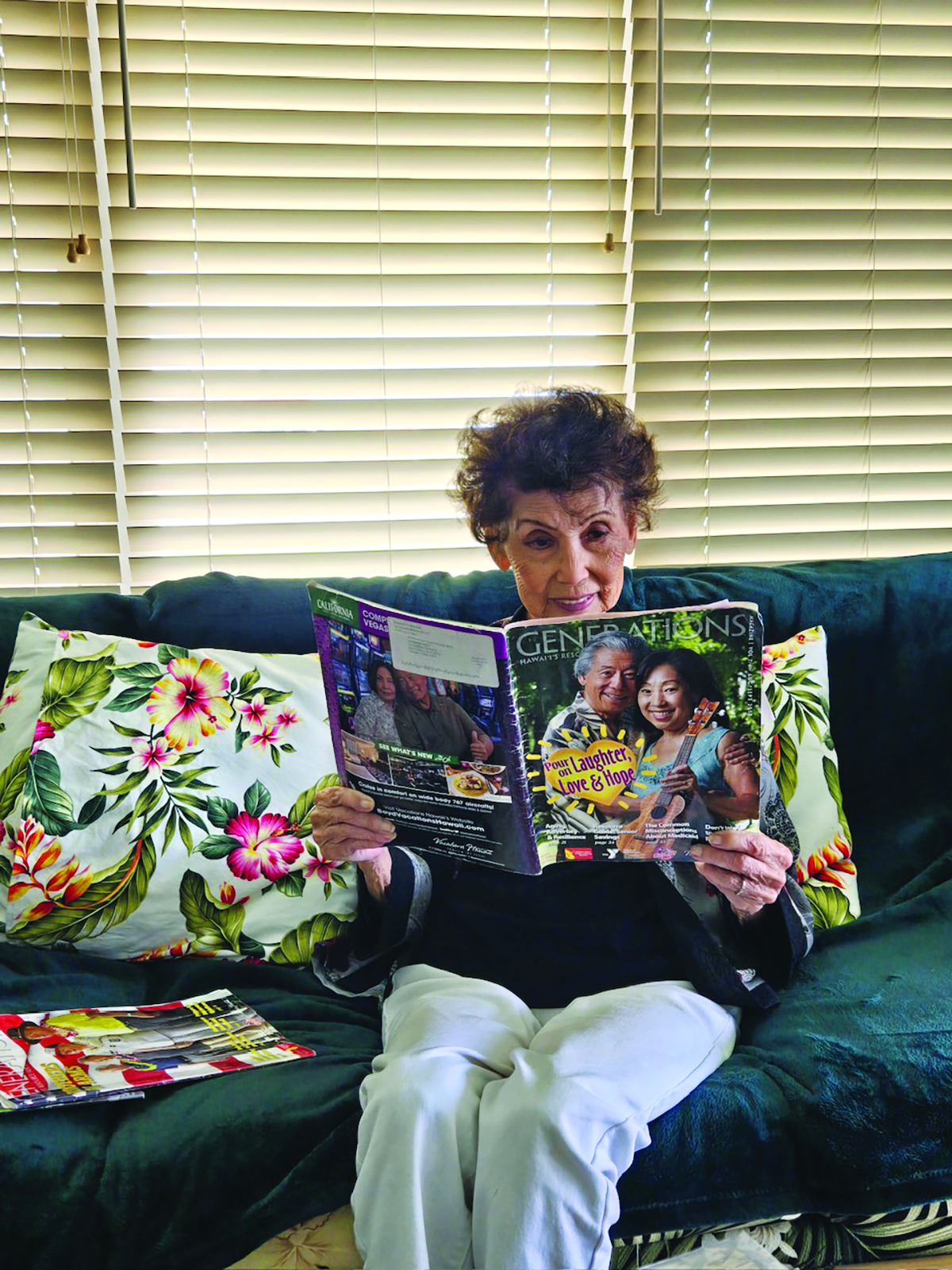
    Setsuko “Bess” Matsuoka, age 92, has been a devoted Generations Magazine (GM) reader since the beginning. We at Generations have come to know her well from the many calls she’s made to us, and through her article and recipe submissions. She calls us with holiday greetings and never misses the opportunity to show her appreciation of each and every issue.

    “I am very much a fan of Generations,” she told me over the phone. “I love everything about it. I think it is the perfect, perfect magazine. Every one is informative. I look forward to each issue!”

    Bess lives independently in a townhouse in Wailuku, Maui. She was born on March 3, 1933, 3-3-33. Her affinity for numerology and appreciation of kismet are in complete harmony with her faith in God and His divine plan. Her spiritual side has always been very strong, she says.

    “Everybody I have met, especially those connected with Generations, was orchestrated by divine power,” she says. “There are no coincidences; no accidents,” she says. “Everything happens for a reason.” That includes meeting former GM Editor Katherine Smith. “I was fortunate to become friends with her. Before she left Hawai‘i, she gave me her collection of Generations Magazines. “And I have the very first issue,” she said in a way that convinced me it was very dear to her. “I have read every article in every magazine and every one is precious, so I share them with others, so they can be blessed by reading them, too.”

    The issue that really inspired her was “Brothers in Arms” written by Katherine. She said she had the good fortune to get to know Bo Mahoe, one of the subjects of the story. “I also became friends with Sherry Goya, the publisher’s mother. Even though I no longer have a subscription, Sherry sends me complimentary copies. I am thrilled to see them in my mailbox!”

    She said she speaks often to GM Art Director Wilson Angel, who she just calls “Angel.” “She has positive comments about each issue,” he says.

    Bess retired from the State of Hawai‘i Department of Social Services and now spends her time writing uplifting stories for seniors that capture the wisdom and humor of the old days.

    Bess attended the Methodist church for 30 years. But recently, she felt compelled to “go out there with people.” So she began attending Maui Intersection Church, where she helps the unsheltered population by sharing her testimonies, saying “whatever the Lord puts in her heart.”

    With appreciation and love, Bess continued to talk about her late husband, her family, and others, including the Generations staff. “The Generations staff puts us, the readers, at the top!”

    “No wonder the staff talks about you all the time!” I tell her. “You are so kind!” Bess replies, “What you see in me is actually what is in your heart — like a mirror. I feel blessed to have the Generations staff in my journey through life.”

    Setsuko “Bess” Matsuoka, GM’s No. 1 fan, is not just like family—she is family.

    We, too, are blessed.

    Setsuko “Bess” Matsuoka, age 92, has been a devoted Generations Magazine (GM) reader since the beginning. We at Generations have come to know her well from the many calls she’s made to us, and through her article and recipe submissions. She calls us with holiday greetings and never misses the opportunity to show her appreciation…

  • Safe Prescription Drug Disposal

    The amount of unwanted medical waste has risen considerably in recent decades. But did you know that unused or expired medicine should be properly disposed of when it is no longer needed? But proper disposal does not mean throwing it in the trash or flushing it. Proper disposal by the proper authorities during Drug Take Back Days reduces the risk of prescription drugs entering the human water supply or potentially harming aquatic life.

    Why proper disposal of expired or unused medication is important, according to government officials and law enforcement agencies:

    • Expired medicines may lose their effectiveness.
    • Improper use of prescription drugs can be as dangerous as illegal drug use.
    • Having unused or expired medicine in your home increases the risk of accidental poisoning — especially in homes where children or the elderly live, as they are especially vulnerable.
    • People may mistake one type of medicine for another, as pills can look very similar.
    • Children may mistake medicine for candy.

    Plus, the drug overdose epidemic in the US has become a clear and present public health, public safety and national security threat.

    The main goal of the program is to fight the opioid epidemic, which medical professionals say can stem from the easy access to such medicines in homes everywhere. Removing unneeded medicine helps to prevent misuse and opioid addiction from ever starting and is also intended to help reduce drug-related violence.

    For the public’s safety, the Hawai‘i Department of the Attorney General has partnered with the US Drug Enforcement Administration (DEA), the Hawai‘i Department of Public Safety’s Narcotics Enforcement Division, and other local law enforcement agencies to participate in the National Prescription Drug Take Back Days. Results of these take-back events have been substantial, “with thousands of pounds of unneeded and potentially dangerous medications being collected and safely destroyed,” the DEA says.

    National Take Back Initiatives (NTBIs) are conducted every spring and fall and are free and anonymous services to the public — no questions asked. Anyone with expired or unused medications is encouraged to bring them to the collection sites located on O‘ahu, Maui, Kaua‘i and Hawai‘i Island on April 26 and Oct. 25, 2025, from 10am to 2pm. The majority of the take-back locations will be drive-through. So, if you’ve got a bottle or patch of medicine, or a vaping device you no longer use, drive to one of these centers for safe disposal.

    Tablets, capsules, liquids, and other forms of medication will be accepted. Everything can be kept in its original container. Labels do not need to be removed. But batteries must be removed from vaping devices before dropping them off. New or used syringes will not be accepted.

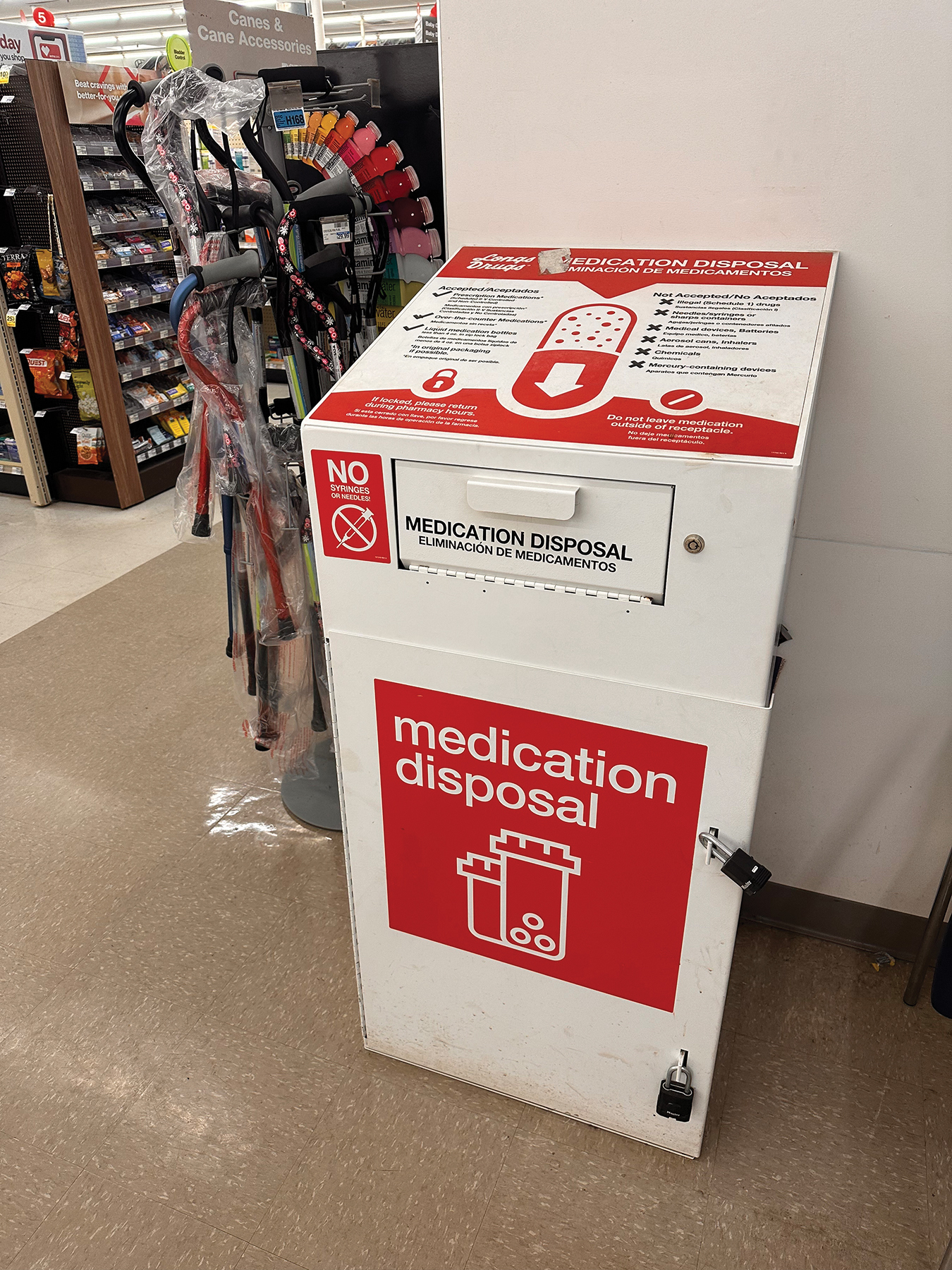
    Visit manoa.hawaii.edu/c3od2a/take-back for a list of take-back locations in Hawai‘i. To find your nearest take-back location, visit dea.gov/takebackday#resources (enter your zip code). If you are unable to participate in the take-back event, there are several year-round medication drop-off sites across the state. Any police or fire station will accept medication. Many CVS stores and all military pharmacies also have anonymous drop-off boxes that look like large mail boxes. Ask your pharmacist for help locating a box.

    No access to the internet? Contact GM Publisher Cynthia Arnold at Cynthia@Generations808.com or 808-258-6618, or GM Community Relations Manager Sherry Goya at sgoyallc@aol.com or 808-722-8487 for locations.

    The amount of unwanted medical waste has risen considerably in recent decades. But did you know that unused or expired medicine should be properly disposed of when it is no longer needed? But proper disposal does not mean throwing it in the trash or flushing it. Proper disposal by the proper authorities during Drug Take…

  • The Elder Care Playbook

    Maui resident Petra Weggel learned about caregiving the way most people do… the hard way, through the trial and error of first-hand experience.

    “It is incredibly stressful to witness the decline of an aging loved one while at the same time thinking about your own mounting responsibilities,” Petra said in the introduction of The Elder Care Playbook. “You probably have your own job, a family or significant other, and bills that are piling up. To deal with all of that while also knowing your parent’s affairs are a mess can leave you feeling lost and hopeless. If you’re like I was, you won’t even know where to begin…” In her effort to help others deal with the challenges of caregiving — and especially for those who cannot become a full-time caregiver for their loved one due to distance or other factors — Petra wrote a well-organized, thorough guide, complete with checklists.

    “It’s for everyone like me in the Sandwich Generation who can’t bring a parent home to live with them but still wants to ensure they’ll be cared for.” You don’t have to be physically present to do your part, she says. Petra suggests you contribute to the welfare of an aging loved one like she did, by becoming a care organizer, while still working and attending to your life.

    Through personal anecdotes, Petra shares many aspects of organizing care, why you must put your own well-being first, along with coping methods to deal with frustration, guilt and helplessness.

    “It is much easier to care for an aging loved one when you’re prepared,” says Petra. “However, you will always need to expect the unexpected.” She wants you to think of this book as not only a tool for planning,
    but also, your inspirational support manual. She shares how you really can find time for yourself, avoid burnout and help the person you care about at the same time.

    Petra discloses that the book is not a comprehensive text on the subject of senior care or caregiving, but she has broken the caregiving process into digestible, understandable chunks. Where you begin ultimately depends on your own circumstances, your loved one’s health issues, your relationship to each other and your own particular family situation.

    The book is all about helping you adopt a positive mindset so you can spend each day in a way that feels meaningful instead of overwhelming, as Petra says, in order to “make every day a good day.” Disclaimer: This book is not intended to offer legal, financial or healthcare advice.

    THE ELDER CARE PLAYBOOK
    808-205-1269 | author@theeldercareplaybook.com
    theeldercareplaybook.com

    Maui resident Petra Weggel learned about caregiving the way most people do… the hard way, through the trial and error of first-hand experience. “It is incredibly stressful to witness the decline of an aging loved one while at the same time thinking about your own mounting responsibilities,” Petra said in the introduction of The Elder…

  • Hawai‘i’s Dancing Queen

    “You are the dancing queen, young and sweet, only 17,” say the lyrics of ABBA’s signature hit of the ’70s. Claire Groom, a 75-year old student at Aloha Ballroom Company, has rewritten those lyrics by dancing her way to victory at the Holiday Dance Classic, a prestigious national ballroom dance competition held at the Luxor Hotel & Casino in Las Vegas in mid-December of last year. Competing against hundreds of dancers from across the country, Claire’s win is an inspiring testament to the joy of lifelong learning, passion and perseverance.

    Claire, a resident of Moanalua Valley, dazzled the Holiday Dance Classic judges with her poise, technique and infectious love for dance. Her hard work and dedication in preparing for the competition paid off, earning her top honors among a field of talented dancers.

    She and her partner, Keith Michael, age 40, swept the competition, earning first place in cha-cha, rumba and swing.

    Reflecting on the experience, Claire shared that she was indeed, “having the time of her life.” “I had many memorable and first-time experiences at Holiday Dance Classic,” she says. “It was a blast! Aloha Ballroom Company has taught and guided me in the true art of dancing, and I am totally grateful for that. It was a wonderful experience to be with other dancers from all over the country and hear about their background.”

    The annual Holiday Dance Classic is one of the largest and most competitive ballroom dance events in the country, attracting participants of all levels and styles. Claire’s remarkable success is not only a personal triumph but also a shining example of how ballroom dance can enrich lives at any stage.

    Claire’s journey also underscores the health benefits of dancing at any age. “Dancing at any age elevates your flexibility, balance, mood and mental acuity,” says Claire. “I would recommend anyone even with two left feet to give dancing a try!”

    Study after study — including research from Stanford University — has shown that dancing is the only physical activity proven to significantly lower the risk of dementia. Beyond its mental acuity benefits, ballroom dance strengthens the body, promotes coordination and creates meaningful social connections, all while bringing immense joy.

    Aloha Ballroom Company is proud to celebrate her outstanding achievement. “Claire’s achievement is truly inspirational,” says Keith Michael, Claire’s Aloha Ballroom Company dance instructor. “Her energy, dedication and enthusiasm for dance remind us all that it’s never too late to pursue your passions. We’re thrilled to be a part of her journey and celebrate this well-deserved victory.”

    “Keith is an excellent teacher — warm, kind, patient and knowledgeable — with a great sense of humor!” says Claire. “And being coached by Tony Meredith was icing on the cake!”

    Aloha Ballroom Company continues to empower students of all ages and abilities to experience the artistry and beauty of ballroom dancing by promoting connection, confidence and community through movement.

    Aloha Ballroom Company is a ballroom dance company founded in January 2024 by world-renowned choreographer Tony Meredith.

    Aloha Ballroom Company provides certified professional dance instructors to teach students a variety of dances including waltz, tango, foxtrot, merengue, swing, salsa, cha-cha and much more.

    To learn more about Aloha Ballroom Company and how to begin ballroom dancing, visit alohaballroomcompany.com, email info@alohaballroomcompany.com or call 808-282-6819. The dance studio is located at 770 Kapiolani Blvd. in Honolulu. Hours of operation are by appointment, Monday through Friday.

    To learn more about the annual Holiday Dance Classic, visit holidaydanceclassic.com.

    “You are the dancing queen, young and sweet, only 17,” say the lyrics of ABBA’s signature hit of the ’70s. Claire Groom, a 75-year old student at Aloha Ballroom Company, has rewritten those lyrics by dancing her way to victory at the Holiday Dance Classic, a prestigious national ballroom dance competition held at the Luxor…

  • SS Benefits Increase 2.5% in 2025

    Social Security (SS) benefits and Supplemental Security Income (SSI) payments for more than 72.5 million Americans will increase 2.5% in 2025. On average, Social Security retirement benefits will increase by about $50 per month for single recipients, $75 for couples.

    Nearly 68 million SS beneficiaries will see the 2.5% Cost of Living Adjustment (COLA) increase beginning in January 2025. Increased payments to nearly 7.5 million people receiving SSI began on Dec. 31, 2024 (some receive both SS and SSI).

    Other adjustments that take effect in January of each year are based on the increase in average wages. Based on that increase, the maximum amount of earnings subject to the Social Security tax (taxable maximum) is slated to increase from $168,600 to $176,100.

    “Social Security benefits and SSI payments will increase in 2025, helping tens of millions of people keep up with expenses even as inflation has started to cool,” says Social Security Commissioner Martin O’Malley.

    Over the last decade, the COLA increase has averaged about 2.6%. The COLA was 3.2% in 2024 and at a record high at 8.7% in 2023, due to high inflation following the pandemic.

    Annual inflation rose 3.2% in October 2024 (when the Bureau of Labor Statistics calculates the Consumer Price Index (CPI) — actually, a subset CPI called the consumer price index for urban wage earners and clerical workers (CPI-W), which measures the price changes for a particular set of goods, which is used to calculate the COLA.

    Although the COLA is designed to keep payments in line with inflation, Medicare costs are not included in the CPI-W used to determine the COLA. Therefore, Medicare Part B premiums have been rising faster than COLA for years, including 2025, according to the Centers for Medicare and Medicaid Services, with premiums outpacing both the Social Security COLA and inflation. From 2005 to 2024, Part B premiums increased by an average of 5.5% per year, while COLAs averaged less than half that rate at just 2.6%.

    In 2025, the monthly Part B premium for enrollees will rise by $10.30 (a 5.9% increase), while the COLA adjustment increase is only 2.5%, eroding away a part of the $50 SS increase. This conundrum continues to affect seniors who are concerned about how they’ll survive if SS continues to fail to keep up with the cost of living.

    For more SSA information, call 7am–5pm, Mon–Fri:
    1-800-772-1213 (toll free) | socialsecurity.gov
    Your COLA Notice
    Individuals who have a personal my Social Security account can view their COLA notice online, which is
    secure and faster than receiving a letter in the mail. Users can also receive text or email alerts when there is
    a new message waiting for them, including a COLA notice. Set up a my Social Security account at ssa.gov/myaccount.

    SSA ONLINE SERVICE HOURS
    Eastern Standard Time
    Mon – Fri 4:15 am – 1 am
    Sat 5 am – 11 pm
    Sun 8 am – 11:30 pm
    SSA COLA: ssa.gov/cola
    ssa.gov/news/press/factsheets/colafacts2025.pdf
    SSA Full Retirement Age Chart:
    ssa.gov/benefits/retirement/planner/agereduction.html
    Medicare & You 2025:
    publications/10050-medicare-and-you.pdf

    Social Security (SS) benefits and Supplemental Security Income (SSI) payments for more than 72.5 million Americans will increase 2.5% in 2025. On average, Social Security retirement benefits will increase by about $50 per month for single recipients, $75 for couples. Nearly 68 million SS beneficiaries will see the 2.5% Cost of Living Adjustment (COLA) increase…

  • Social Security Changes Access to In-Person Services

    Appointment-based services at local Social Security offices are expanding, the Social Security Administration (SSA) announced on Nov. 14, 2024. In the SSA’s ongoing commitment to serve the public more efficiently, it aims to reduce wait times, streamline service delivery, and improve the overall customer experience by scheduling appointments.

    Nearly 400 field offices have already moved to appointment-based service this year. These offices have seen significant improvements in wait times due to more efficient and helpful visitor experiences and increases in the number of customers able to complete their business online.

    Implementation of appointment-based services will be developed nationwide in two phases. The first phase is a transition period now through Jan. 5, 2025. The purpose of this transition period is to educate SSA’s customers about needing to schedule an appointment for SSA services. As a reminder, many of SSA’s services can be provided via phone with an appointment and do not require a customer to walk into an office for service.

    Effective Jan. 6, 2025, SSA will require customers to schedule an appointment for service in its field offices, including requests for Social Security cards. SSA encourages customers to become accustomed to its online services (ssa.gov/onlineservices), where many transactions can be completed conveniently and securely, and automated services (ssa.gov/agency/contact/phone.html) available by calling 1-800-772-1213 (SSA’s national 800 number).

    Customers who are not able to conduct their business online or with the automated options may call their local Social Security office or its national 800 number to schedule an appointment. Find your local Social Security office at secure.ssa.gov/ICON/main.jsp. The Honolulu office is located in the Federal Building at 300 Ala Moana Boulevard.

    Those who are unable to make an appointment or do not want to make an appointment will not be turned away for service. For example, members of vulnerable populations, military  personnel, people with terminal illnesses and individuals with other situations requiring immediate or specialized attention may still walk in for service at their local field office. Some SSA offices also have minimal to no wait times, and they will still serve customers who walk in.

    Appointment-based services at local Social Security offices are expanding, the Social Security Administration (SSA) announced on Nov. 14, 2024. In the SSA’s ongoing commitment to serve the public more efficiently, it aims to reduce wait times, streamline service delivery, and improve the overall customer experience by scheduling appointments. Nearly 400 field offices have already moved…

  • Home of the Brave

    To see Jacqui and Chuck Probst smiling on the pickleball court as they battle their opponents, one may never guess they experienced an actual war at a young age. Both volunteered for service in the Army during the Vietnam War in the late 1960s. They enlisted separately, as they had not met — yet.

    Jacqui enlists

    Jacqui was born and raised in Waimea on the Big Island. After earning a BS in nursing at UH, she enlisted in June 1968. She graduated from the basic Army nurse course at Ft. Sam Houston, then volunteered to go to Okinawa and served in the neurological-orthopedic ward of a US military hospital caring for evacuees from Vietnam for a year. Then she volunteered to go to Vietnam.

    “When she got to Vietnam, she was assigned to what was basically a nonexistent unit,” says her husband Chuck. “In 1969, they set up a Quonset hut surgical hospital in An Khê in the Central Highlands from scratch.”

    Recall a scene from the TV series “MASH” and you will get a good idea what the 17th Field Hospital was like.

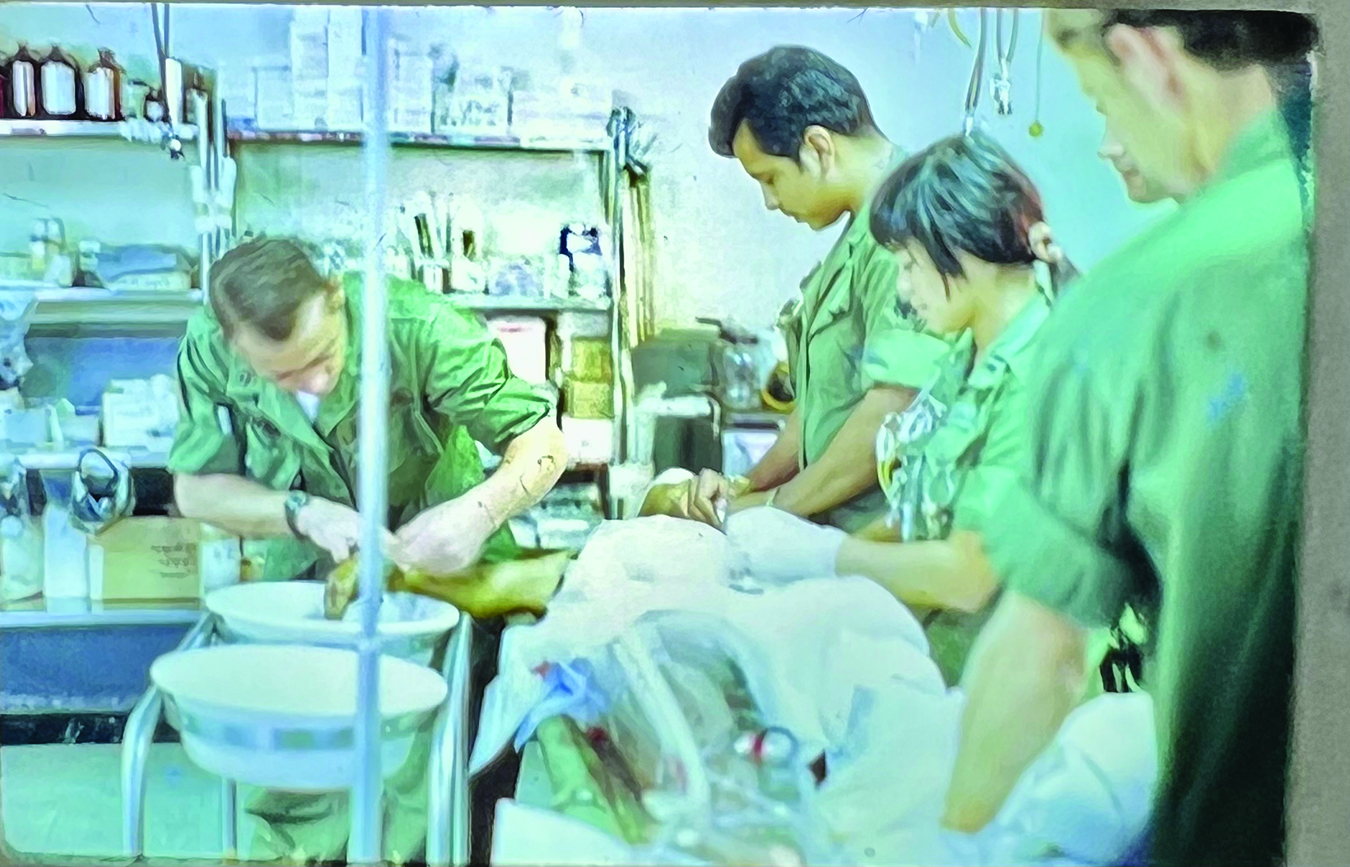
    Jacqui and her colleagues took care of soldiers and civilians evacuated from the battlefield around them. She worked 12-hour days, every day. “They were frequently under rocket attack from the Viet Cong,” says Chuck.

    Close call

    Jacqui went to take a shower one night and realized she had forgotten her soap. Just as she headed back to her quarters, all hell broke loose. The shower she had occupied seconds before was reduced to matchsticks. Her room was completely destroyed. She received fragment wounds and was deaf for several weeks due to the blast. The ear damage she incurred affects her hearing to this day. She was awarded a Purple Heart for injuries sustained in combat.

    So Jacqui, now an Army captain, transferred to the 95th Evacuation Hospital where she served as the head ER nurse. The coastal hospital was safer from enemy attack. But it was another scene from “MASH” when helicopters would come in laden with casualties. However, the helicopters headed to the 95th were much larger, carrying anywhere from 20 to 35 wounded. Jacqui and her staff were sometimes suddenly overwhelmed with the influx of casualties. Jacqui’s job was to triage them — determine the urgency of their need for and nature of treatment — and prep the injured for the operating room. She kept them alive until they could be treated surgically. In addition, she also taught and worked with medics and new incoming nurses at the 95th Evacuation Hospital.

    Chuck signs up

    The 17th Field Hospital in An Khê in the
    Central Highlands of Vietnam.

    Chuck signed up for the military in the summer of 1968. Once he completed his internship at a Philadelphia hospital, he volunteered for Army Special Forces (SF) to become a member of the elite Green Berets. He first went to jump school (parachuting training), then it was up to Ft. Bragg in North Carolina, where he was assigned to the 7th Special Forces Group in 1969. Then an Army Ranger School slot opened up. “Ranger School is the toughest training school the Army has,” says Chuck. Not very many physicians went to Ranger
    School, but his Special Forces commanding officer was confident in his choice.

    The 95th Evacuation Hospital
    in Da Nang, January
    PC: Gaylen Blosse

    In April 1970, Chuck completed his three-month Ranger training and was shipped off to Vietnam, where he was assigned to the 5th Special Forces Group in I Corps, adjacent to North Vietnam. He ran a 100-bed hospital for indigenous troops. Wounded Montagnard troops would be scooped up by helicopters and taken to Jacqui’s hospital, treated and then sent to the Vietnamese hospital in Da Nang. Chuck says, “I would go there once a week and try and find these fellows.” Then they would be transported to the SF-run hospital in Da Nang for treatment. “I would also sometimes go over and help out at the 95th Evacuation Hospital.”

    Chuck and Jacqui’s
    photos may have faded,
    but not their love for each
    other and their country.

    Serendipity

    “In the 95th Evac ER one day, I met this cute little nurse. I asked her out. She turned me down.” Jacqui giggles in the background. “I asked her again and this time she accepted. The rest is history,” Chuck says, laughing.

    Chuck came home in December 1970, they married in Hilo, then he returned to Vietnam for the last three months of his tour. He returned and they moved to Philadelphia, where Chuck spent his early years. Jacqui taught nursing at the 3,000-bed Philadelphia General Hospital for four years, utilizing her training and experience in Vietnam. Chuck went into a four-year residency program in orthopedic surgery in Philadelphia. Chuck worked nights at emergency rooms in the city to “make a couple extra bucks.” When they finished in July 1975, they moved to Maui and Chuck set up his private practice. Chuck also served in the Army Reserve, retiring as a colonel. Since retirement, they have travelled to almost 200 countries. These world travelers will be married 54 years this December.

    Jacqui in Receiving and Pre-op at the 95th Evacuation
    Hospital in Da Nang.

    Chuck and Jacqui don’t think of themselves as heroes. They view their service pragmatically and consider themselves to be fortunate. “So many people served,” says Chuck. “Many did not come back. They paid the ultimate price over there.”

    Although our county’s involvement in the Vietnam War ended over 50 years ago, time does not heal all wounds or erase all memories. It takes courage to endure echoes of the past. But you can’t always determine courage at a glance. Take the couple smiling at you from the other side of the pickleball court. They just may be heroes who helped change the world through their bravery, humanity and dedication.

    To see Jacqui and Chuck Probst smiling on the pickleball court as they battle their opponents, one may never guess they experienced an actual war at a young age. Both volunteered for service in the Army during the Vietnam War in the late 1960s. They enlisted separately, as they had not met — yet. Jacqui…

  • Senior Pedestrian Safety Tips

    Senior Pedestrian Safety Tips

    Seniors 65 years and older represent about a third of all pedestrian fatalities across the state. The Hawai‘i State Department of Transportation’s Walk Wise Hawaii program launched a partnership with First Insurance Company of Hawaii (FICOH) to stress the importance of visibility while walking — day or night.

    Most pedestrian crashes occur between 6 pm and 6 am, when visibility is low. FICOH provided over 3,500 green reflective pedestrian snap-on wristbands and safety lights at senior outreach events across the state.

    SOME SAFETY TIPS

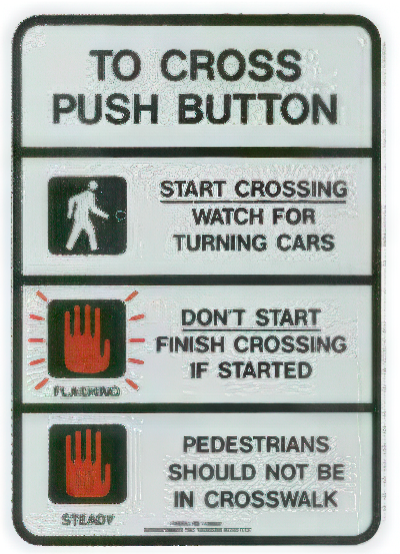
    • Dress to be seen. During the day, wear brightly colored clothing. At night, wear reflective material on your shoes, hat or clothing.
    • Cross only at corners or marked crosswalks.
    • Always walk on the sidewalk. If there is no sidewalk, make sure you walk facing traffic.
    • Look left, right, left again and over your shoulder before you step into the street.
    • Keep looking and listening as you cross, until you reach the other side.
    • When crossing in front of stopped cars, make eye contact to be sure drivers see you before crossing in front of them.

    If your organization would like to receive pedestrian safety wristbands, email Lance@tlcpr.com to book a pedestrian safety presentation. For more information, visit hidot.hawaii.gov/walk-wise-hawaii.

    Seniors 65 years and older represent about a third of all pedestrian fatalities across the state. The Hawai‘i State Department of Transportation’s Walk Wise Hawaii program launched a partnership with First Insurance Company of Hawaii (FICOH) to stress the importance of visibility while walking — day or night. Most pedestrian crashes occur between 6 pm…