

In this ongoing column, Kaiser Permanente doctors will answer commonly asked questions.
When a new year rolls around, it always feels like a fresh start. So it’s the perfect opportunity to turn that positive energy into simple, healthy habits that keep you strong, steady and feeling good.
What are the best exercises for strength without overdoing it?
When we talk about “strength,” we mean staying strong and steady for everyday life—from getting up from a chair to playing with the grandkids. The best exercises are functional movements that help you stay strong and help ensure your independence.
The good news? You don’t need a gym or fancy equipment. Try simple moves such as chair squats, wall push-ups or standing leg lifts. Resistance bands work your muscles without putting pressure on your joints.
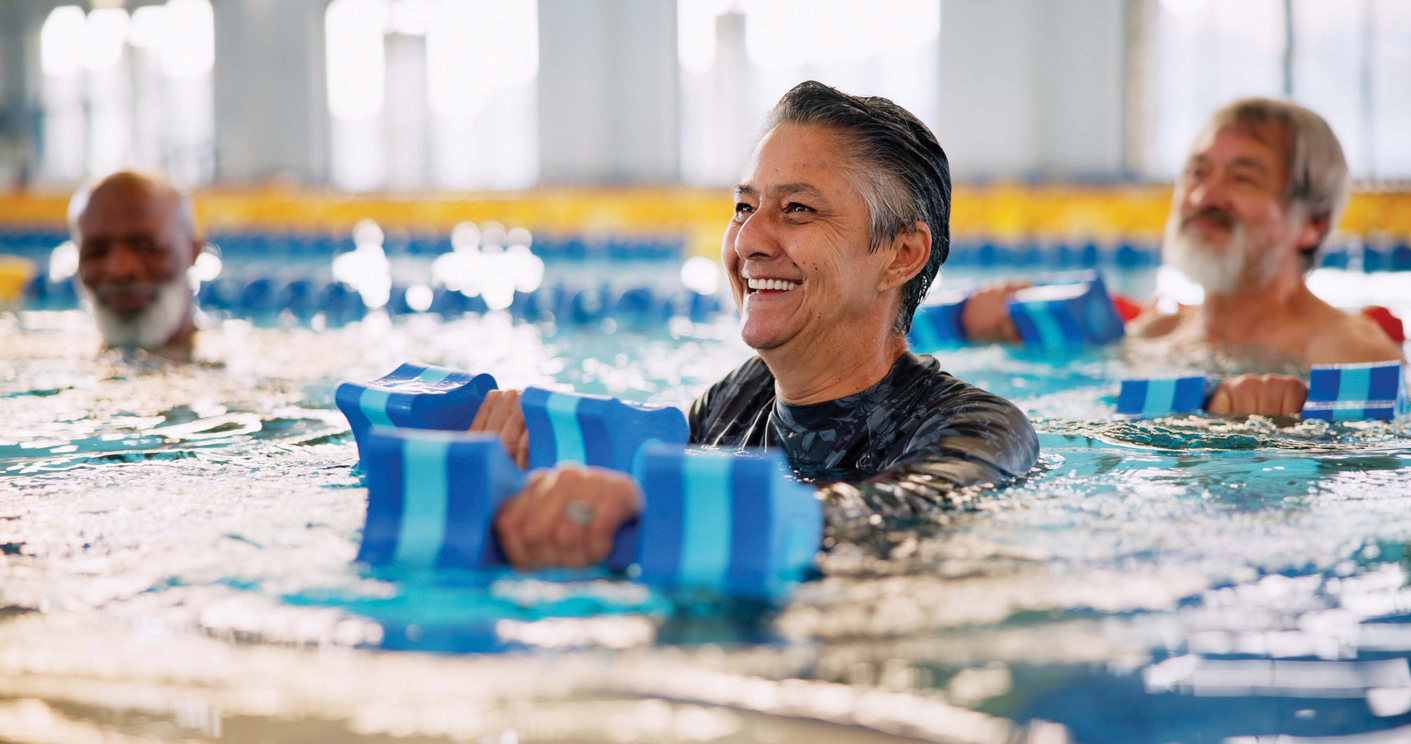
Living in Hawai‘i, there are plenty of fun ways to stay active. Dance hula to keep your core strong and your posture proud. Go for a walk at the beach or around the park with friends. Join a tai chi class or try water aerobics at your local pool.
Aim for two days a week of light strength training—using small weights (2 lbs. or less), resistance bands or wall push-ups—and mix in walking, jogging or swimming for heart health. Move a little every day and you’ll soon feel stronger and more balanced. Even a five-minute walk before or after meals makes a difference.
How do I know if I’m pushing too hard — or not enough?
Finding your balance with exercise is like paddling a canoe: Find your rhythm. Don’t sprint the whole way. The easiest way to check your effort is the talk test. If you can talk story with a friend while you’re walking, but can’t quite sing along with the radio, you’re in the sweet spot. If you’re gasping and can’t talk, it’s time to ease up. Pay attention to what your body’s telling you.
Feeling lightheaded, dizzy or having chest pain are red flags to stop and rest—or check in with your doctor. Even soreness that lasts for more than a couple of days is your body’s way of asking for a break. Take a day of rest and come back the next day when you’re feeling better. If you’re sore, try ice, topical creams or patches first—or acetaminophen. Check with your doctor before taking other types of pain relievers.
Think of exercise as a friendly conversation with your body. The goal is to find that steady rhythm.
The Bottom Line
New year health goals don’t mean reinventing your life—it’s about finding small, joyful ways to move more. Everyday activities can give you a solid workout. Sweeping the lānai and even cooking a big family meal keep your body moving. Go as slowly as you need to prevent falls and don’t lift objects heavier than you can handle.
Get your family and friends involved and it becomes an even healthier way to connect with others. When you share these moments with the people you love, you’re not only keeping your body active, you’re also strengthening those meaningful connections for the new year and all the years to come.

DR. SERENA LO, a Honolulu native, combines her love of science and helping others through medicine. She earned her medical degree from the University of Hawai‘i, John A. Burns School of Medicine and completed her residency in internal medicine at Virginia Mason Medical Center in Seattle. Board certified in geriatric and internal medicine, Dr. Lo values teamwork and compassionate care—and enjoys mentoring students interested in becoming physicians. Kaiser Permanente will cover kidney health/diabetes in the next issue. If you have a medical question for the doctor, email: cynthia@generations808.com.

Leave a Reply